
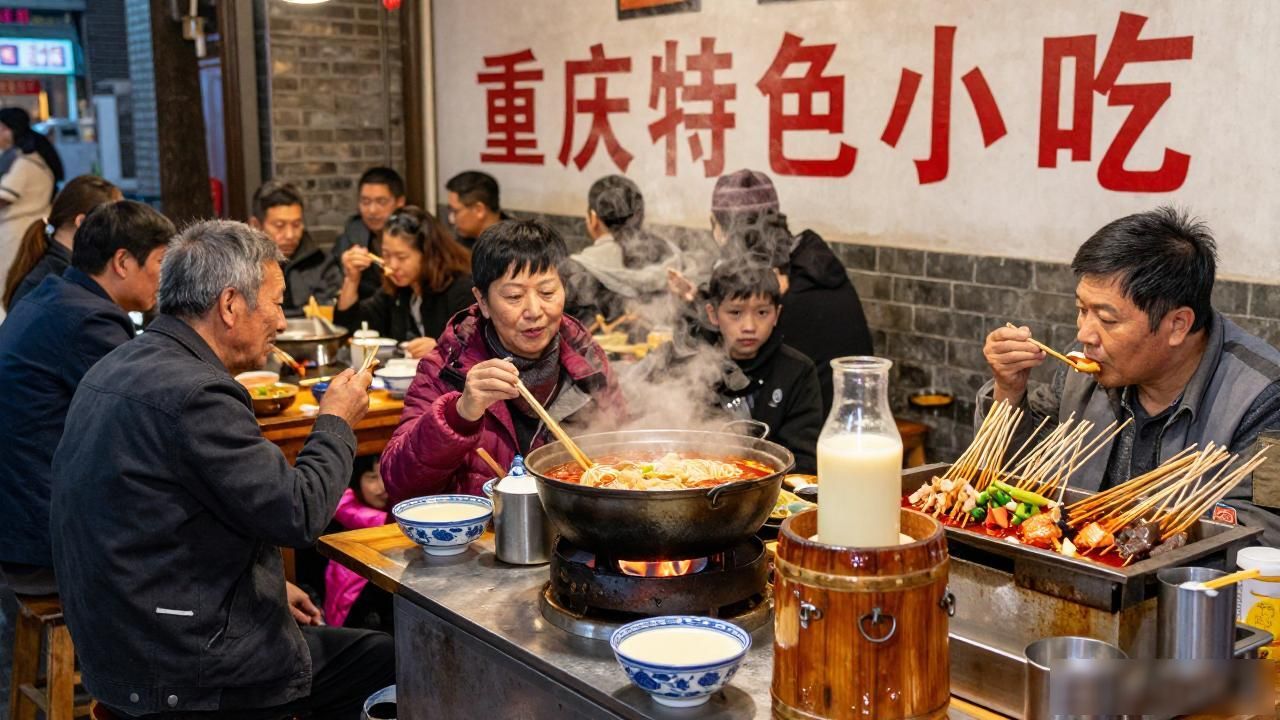
Chongqing is a city that wakes up with steam rising from iron woks and alleyway stalls. Locals don’t start their day with coffee — they start with a bowl of spicy noodles slathered in chili oil. Street snacks here carry centuries of flavor, shaped by humid weather, mountain geography, and a people who believe food should wake you up and keep you going. If you’re wondering what to eat, where to eat it, and why these snacks matter, here is what you need to know before stepping into Chongqing’s food streets.
What Makes Chongqing Street Snacks Special
Chongqing snacks are defined by heat and depth. The chili oil alone takes days to prepare, toasted slowly over low flame until it carries aroma without burning. This isn’t the quick-pour chili oil you find in supermarkets — it’s layered, complex, and deeply personal to every vendor.
The humidity of the Yangtze River basin shaped the palate here. Spicy food dries the body, reduces dampness, and keeps people energized. That’s why even street vendors in winter serve hot, fiery broths that steam under cold morning air. You’ll see groups of workers standing at counters, slurping noodles in silence, then heading into their shifts with clear eyes and full bellies.

Another thing that makes these snacks unique is their affordability and accessibility. You can eat well on five dollars — two bowls of noodles, a side of skewers, a cup of soy milk. There is no fine dining pretense in these narrow alleys behind the old city walls. Food here speaks for itself through taste, not presentation.
Which Chongqing Snack Should You Try First?
Start with dan dan mian, the snack that put Chongqing on the map. Thin wheat noodles sit beneath a blanket of crushed peanuts, minced pork, Sichuan peppercorn dust, and that signature red chili oil. The broth is shallow but intensely flavored — not soupy like ramen, more like a coating that clings to every strand.
Eating it at a stall near Yuzhong District, you’ll notice how the numbing sensation from the peppercorns builds after the first few bites. It starts mild, then creeps up your lips and tongue. Western visitors often call it “spicy” but the experience is far more layered than that word suggests.
Don’t skip the xiaomian, too. These smaller portions are what locals order when they want something quick and satisfying between tasks. A small bowl of noodles with braised pork belly, pickled mustard greens, and a spoonful of homemade doubanjiang will teach you more about Chongqing than any restaurant menu ever could.
Where to Find the Best Local Snacks
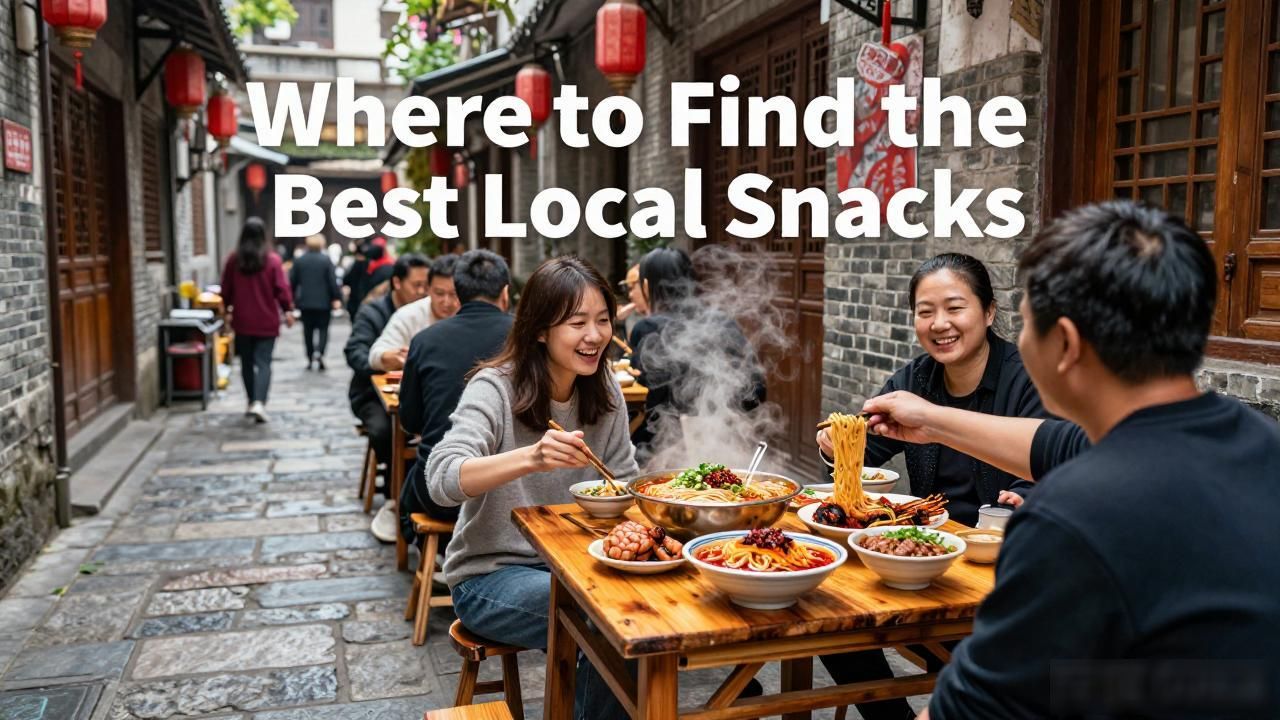
The answer is everywhere once you know where to look. Follow the smoke. Walk toward areas where the air smells like garlic, chilies, and fried dough. Those alleys behind Jiefangbei and around Ciqikou are packed with stalls that have been operating for decades, sometimes generations.
Guanyinqiao night market comes alive after sunset. Food carts line the sidewalks selling everything from grilled skewers to sticky rice cakes filled with red bean paste. Tourists flock here, but if you walk ten minutes away from the main road, you’ll find families eating at plastic tables, ordering the same dishes their grandparents used to order.
The most authentic stalls have no menus and no signage beyond a handwritten chalkboard. Vendors call out names of dishes as you approach. Point. Nod. Eat. This is how Chongqing food culture works — trust in the craft,not the marketing.
What Are the Best Chongqing Local Snacks for a First-Timer
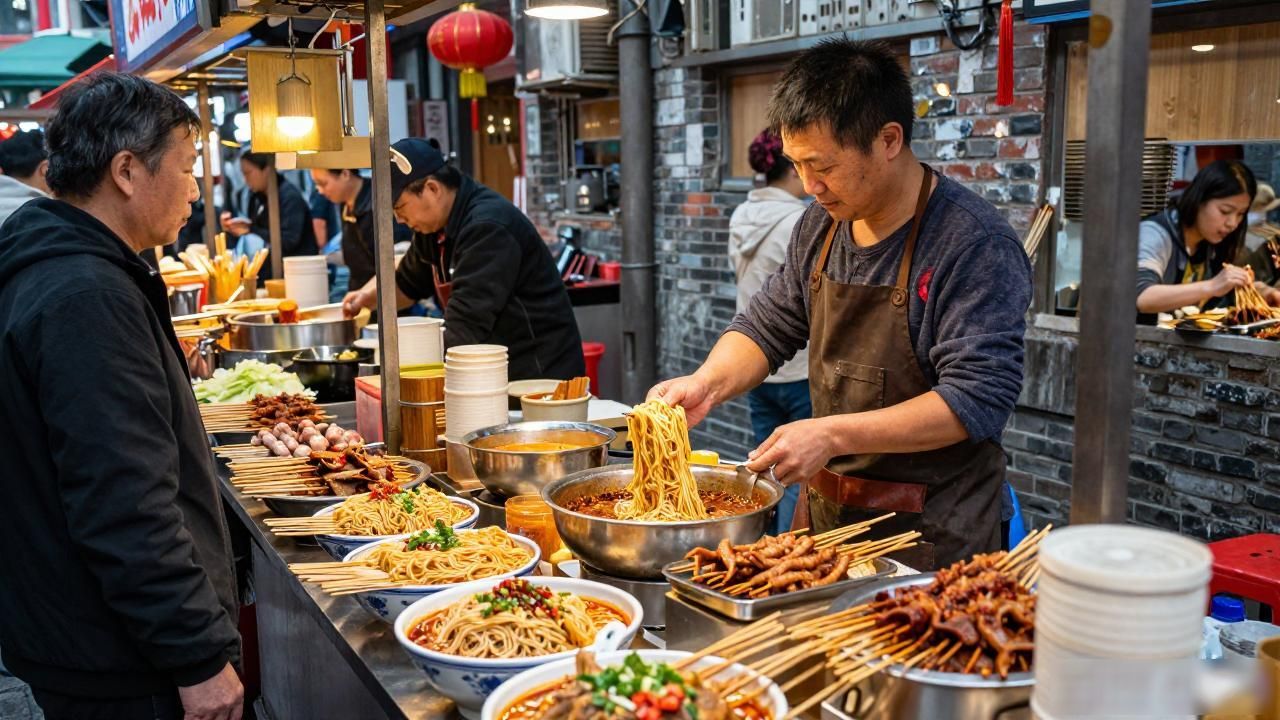
If you’re visiting Chongqing for the first time, prioritize three things: dan dan mian, xiaomian, and chongqing hotpot snacks like mao肚 and duck intestine skewers. These represent the backbone of the city’s snack identity and appear on almost every local’s weekly eating rotation.
A good trick is to eat where the queue is longest. Lines move fast because turnover is high, meaning ingredients are fresh and flavor is consistently sharp. Empty seats at a stall usually mean the quality has slipped for that batch. Pay attention.
Bring an empty stomach and an open mind. Some flavors will surprise you — fermented black beans, preserved vegetables, sweet fermented rice wine served warm in tiny cups. These are not desserts in the Western sense. They are digestive aids, palate cleansers, and comfort foods wrapped into one.
This city rewards curiosity. Every corner hides a vendor who has spent thirty years perfecting one recipe. Listen to the sizzle. Watch the steam rise. Let the spice guide you. Chongqing snacks are not just food — they are memory, history, and home, all served in a paper bowl.