
As someone who has walked through these ancient streets for over a decade now, I can tell you that Beijing is unlike any other city on Earth. The Forbidden City still sends shivers down your spine. The hutong alleys hum with life. The food will ruin you for all other Chinese cuisine. This is not a city you merely visit. You experience it, and it changes you.
What Should You See in Beijing First
The Forbidden City commands respect. I remember standing before the Meridian Gate on my first visit, overwhelmed by the sheer scale of it all. Eight hundred years of imperial history stretches out before you in golden-roofed splendor. Walk slowly. Let the courtyards sink in. The Hall of Supreme Harmony alone could fill hours of your attention.
After the palace complex, head toward Tiananmen Square — the largest public square in the world. It sounds enormous on paper,but seeing it with your own eyes hits different. Book tickets to the Monument to the People’s Heroes in advance if you want to go inside. The lines during peak season are brutal.
For something entirely different, climb the Great Wall at Mutianyu. It is the best-preserved section and far more accessible than Badaling. Take the cable car up, walk the watchtowers, and let the mountain air sharpen your senses. The wall stretches across ridge lines like a stone dragon breathing fire into the sky. Do not attempt to see everything in one trip. Pick one section and go there with patience and respect.
What Food Will Change Your Perspective of Beijing

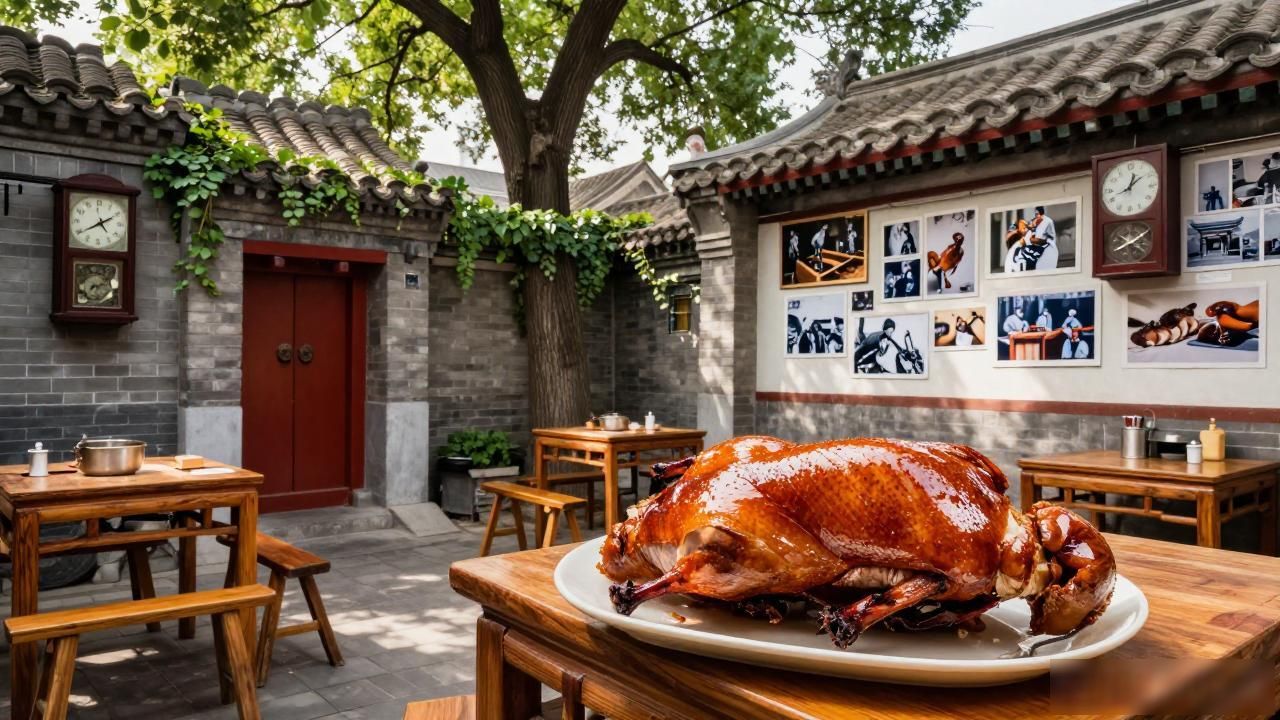
Peking duck is not just a meal in Beijing. It is a ceremony. Quanjude and Da Dong are the heavyweights, but the real magic lives in smaller establishments tucked into neighborhood courtyards. The skin should crackle between your teeth. The meat should melt. If you leave a restaurant without eating it, someone will gently ask why you wasted your trip.
Street food deserves equal attention. Zha Jiang Mian — thick noodles swimming in fermented bean paste with julienned vegetables — is comfort food elevated to art. Grab a bowl from a vendor near Gulou and eat standing up like a local. The taste will convince you of something deeper about Chinese dining philosophy.
Do not sleep on breakfast. Douzhi, a fermented mung bean milk, divides people immediately. Some love it. Others cannot handle the sour complexity. Either way, it is authentic Beijing in a bowl. Pair it with jianbing — the Chinese crepe wrapped around crispy crackers and scallions. This breakfast combination alone is worth crossing the Pacific.
Where to Stay and How to Navigate the City
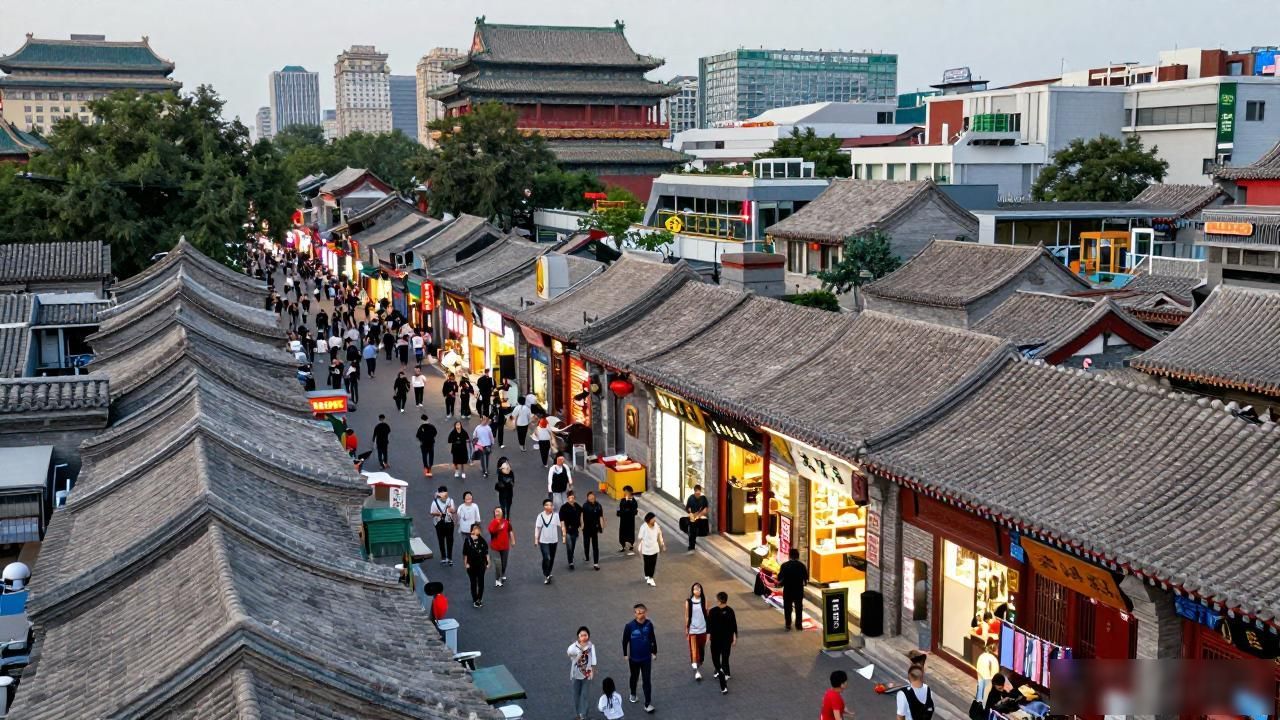
Dongcheng and Xicheng districts sit at the heart of everything. Staying near Wangfujing gives you shopping access. Staying near Nanluoguxiang puts you inside the hutong experience. Both work well depending on what kind of traveler you are. Hotels near the Second Ring Road offer the best balance between convenience and atmosphere.
Metro usage is straightforward and clean. Lines cover all major attractions. The Airport Express runs every twelve minutes and drops you at Dongzhimen in twenty-five flat. Taxi apps like Didi work internationally and eliminate the language barrier at payment counters.
Carry cash even though WeChat Pay and Alipay dominate. Some temple shops, older restaurants, and street vendors still prefer yuan notes. Keep small bills handy for temple entrance fees and snack purchases. A water bottle and comfortable shoes complete your essentials list. Walking eight to ten thousand steps daily is the baseline, not the exception.