
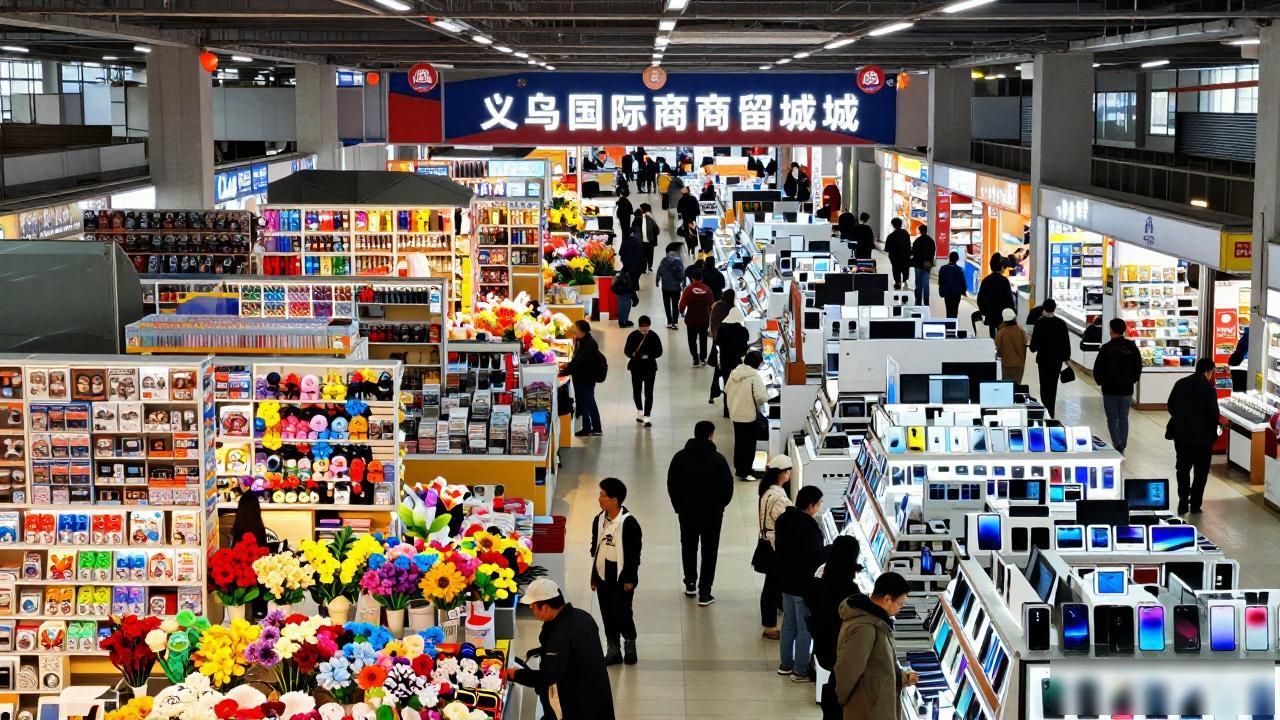
If you’re coming to Yiwu expecting a quiet getaway or a cultural retreat, you might be disappointed. This city is famous for one thing: trade. It is home to the largest small commodities market in the world, where millions of buyers and sellers converge every day. For foreigners, Yiwu is a paradise for sourcing products but a maze when it comes to navigation, communication, and understanding local life. This guide breaks down what you actually need to know before booking your flight.
How Do I Navigate the Yiwu International Trade City?

The Yiwu International Trade City, also known as the Futian Market, spans five massive districts. Each district focuses on specific categories, so wandering aimlessly will waste your entire trip. District 1 houses toys, artificial flowers, and daily necessities. District 2 is dedicated to electronics, stationery, and accessories. If you are looking for jewelry, cosmetics, or bags, head straight for District 3. District 4 features gloves, socks, shoes, and luggage, while District 5 is the hub for textiles, bedding, and imported goods.
Getting inside can feel overwhelming. Most stalls operate on a wholesale model, meaning they may not sell single items. However, many sellers have shifted to accommodate retail buyers in recent years. Always carry a business card or use a translation app. Haggling is expected but keep it reasonable. Cash is still king in many smaller stalls, although Alipay and WeChat Pay are widely accepted.
Where Can I Stay and Eat as a Foreigner?
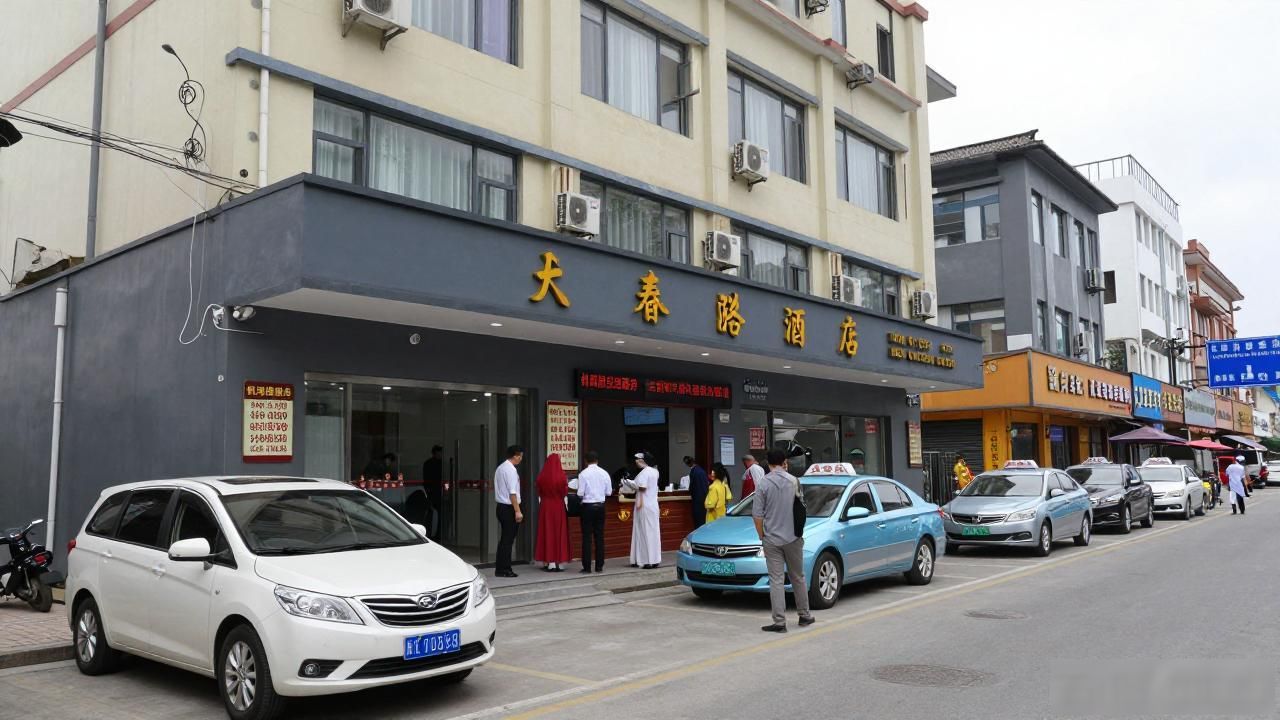
Accommodation in Yiwu ranges from budget hostels to luxury international hotels. The area around Changchun Road and Binbin Road offers a high concentration of mid-range hotels with English-speaking staff. Many of these hotels cater specifically to overseas traders and provide airport shuttle services. If you plan to spend most of your time in the market, staying near District 4 or 5 of the trade city saves you hours of commuting each day.
Food in Yiwu is a mix of local Zhejiang cuisine and options from all over China. Street food is abundant and cheap. Try wufan (five-grain pancakes) for breakfast and grilled skewers at night. For a sit-down meal, hot pot is incredibly popular among expats and locals alike. Vegetarian options are harder to find in traditional Chinese restaurants, so carrying a dietary restriction card in Chinese is highly recommended. International cuisines like Indian, Middle Eastern, and Turkish are surprisingly common here due to the large population of foreign merchants living in the city.
What Should I Know About Transportation and Communication?
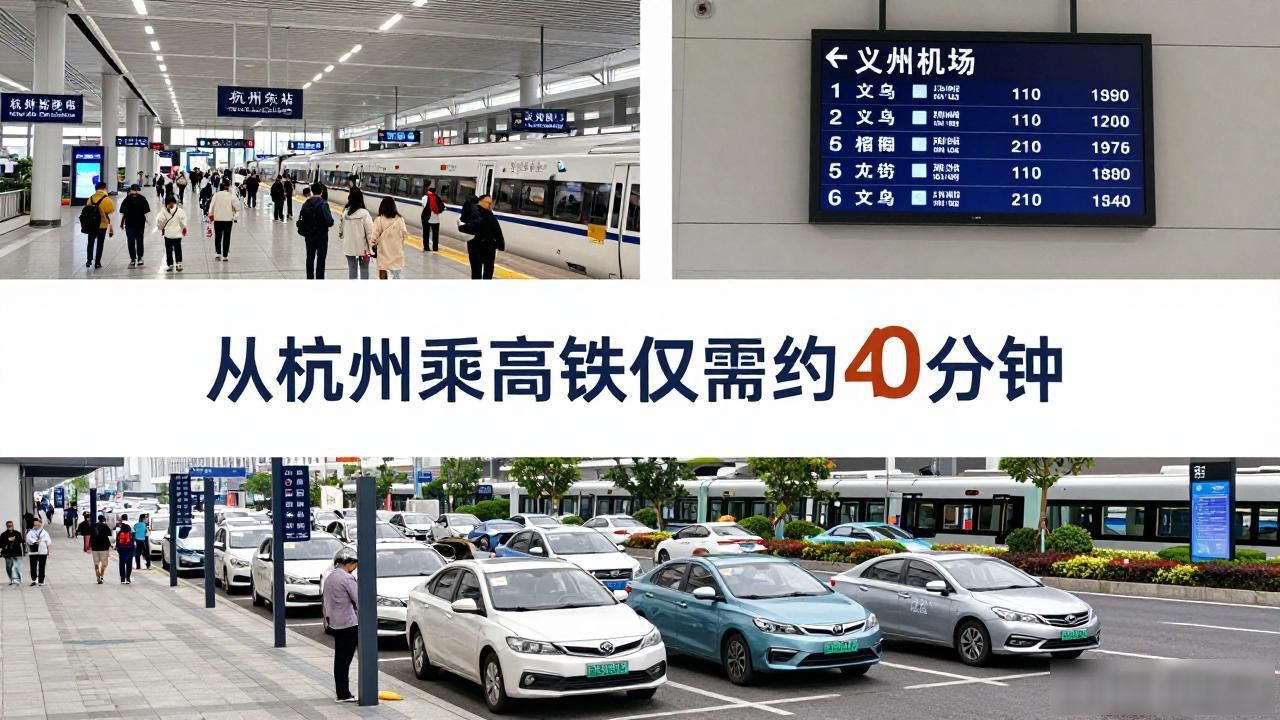
Yiwu Airport has limited domestic flights,so most travelers fly into Hangzhou or Shanghai and take a high-speed train to Yiwu. The train journey from Hangzhou takes only about 40 minutes, making it a convenient route. Once in the city, taxis are plentiful but drivers rarely speak English. Using ride-hailing apps like Didi is far easier, especially if you have them set up with English interfaces beforehand.
Biking is another great option, as the market area is relatively compact. However, walking is often the fastest way to move between districts inside the complex. Mobile data is essential. Local SIM cards or eSIMs work well, but ensure your phone supports the necessary frequency bands. Without mobile payment apps, getting around will be nearly impossible. Having Alipay or WeChat set up before arrival will save you significant frustration during your stay.