

Traveling to China used to feel like a puzzle wrapped in uncertainty. Foreign visitors always ask the same question — how much will this trip actually cost? The answer is far more flexible than most people expect. China spans everything from $25-per-night hostels in Lijiang to five-star resorts in Shanghai, and the country rewards those who know where to look.
What Should You Budget Per Day in China?
Most independent travelers spend between $60 and $120 per day in China, covering accommodation, meals, local transport, and attractions. This middle range lets you stay in clean business hotels, eat at real restaurants, and still enjoy the famous sites without rushing through everything.

Budget-conscious backpackers can comfortably manage on $40 to $60 daily. Hostels charge roughly $15 to $30 a night, street food and local noodle shops run $2 to $5 per meal, and buses or shared ride-hailing apps keep local travel very affordable. You just need to skip the Western-style restaurants and tourist-trap attractions.
Visitors who prefer comfort and convenience typically spend $150 to $250 each day. Private drivers, hotel breakfast buffets, high-speed train upgrades, and guided tours push the budget upward, but China remains remarkably affordable even at this level compared to Europe or Japan.
Accommodation makes up the biggest single expense for most travelers. Three-star hotels in second-tier cities like Xi’an or Chengdu average $40 to $70 per night, while four-star properties in major cities run $80 to $150. Book through platforms like or Ctrip to access rates often lower than international booking sites.
Food costs are where China truly surprises visitors. A bowl of beef noodles at a local shop costs around $3. A proper Sichuan hot pot dinner for two might run $25 to $40. Even mid-range Western-style dining rarely exceeds $20 per person. Street food alone can deliver an unforgettable culinary experience for under $5.
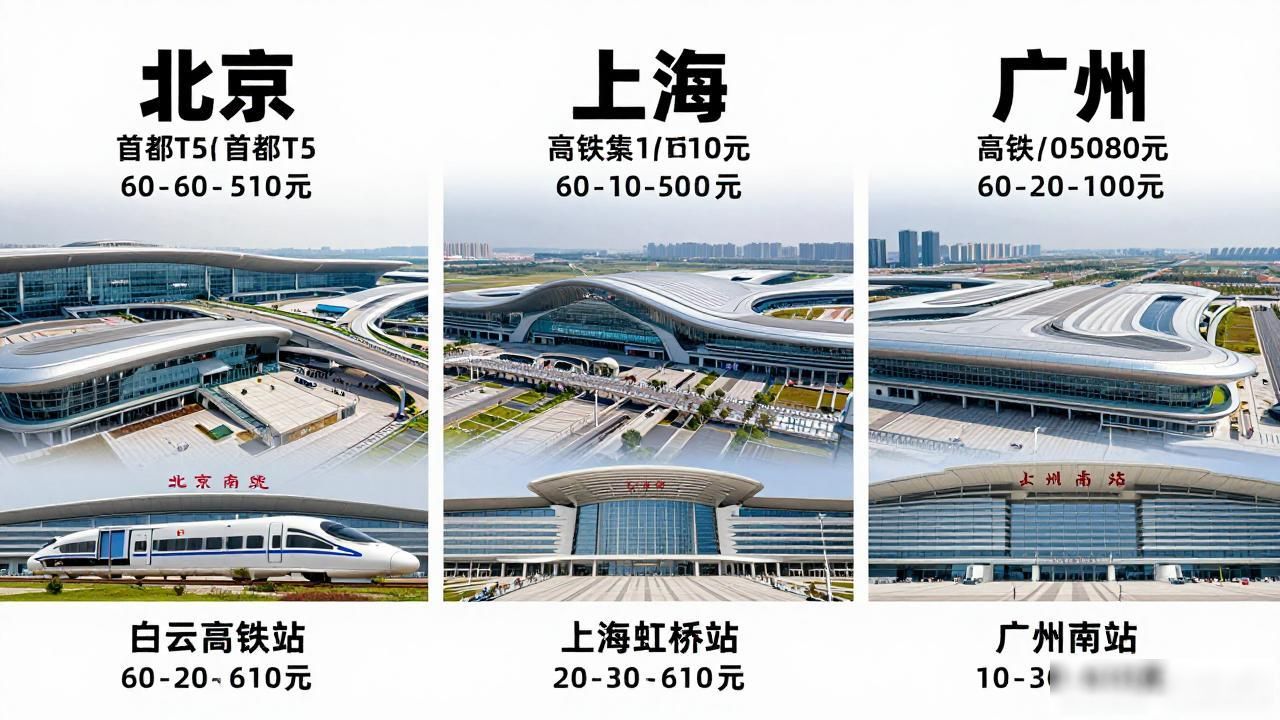
Domestic flights between major cities like Beijing, Shanghai, and Guangzhou cost $60 to $150 one way. High-speed trains offer a more scenic alternative at $20 to $60 for similar routes, with travel times that rival air travel on shorter distances.
When Is the Cheapest Time to Visit China?
Timing your trip carefully can cut your overall costs by a significant margin. The peak tourism seasons — spring from April to early June and autumn from September to October — bring comfortable weather but also higher prices and larger crowds at popular destinations.
Winter months from November through February offer the deepest discounts on hotels and flights, especially in northern cities where cold temperatures deter many visitors. Harbin and Beijing become almost quiet during January, which means room rates can drop by 30 to 50 percent. The upside is that fewer tourists translate into shorter lines at the Forbidden City, the Temple of Heaven, and other major attractions.
Summer travel to southern China tends to be pricey due to school holidays and domestic tourism surges. Cities like Guilin and Zhangjiajie reach peak occupancy during July and August, pushing accommodation prices higher than usual.
Shoulder seasons in late February through March and late October through early November strike a practical balance. Hotels are cheaper, weather is manageable in most regions, and you avoid the heaviest crowds without enduring extreme conditions.
China travel costs are highly variable,but they remain among the most favorable for international tourists visiting East Asia. Plan around $80 per day as a comfortable baseline, adjust based on your personal style, and you will likely find that China delivers extraordinary value whether you are traveling on a tight budget or enjoying a more relaxed pace.