
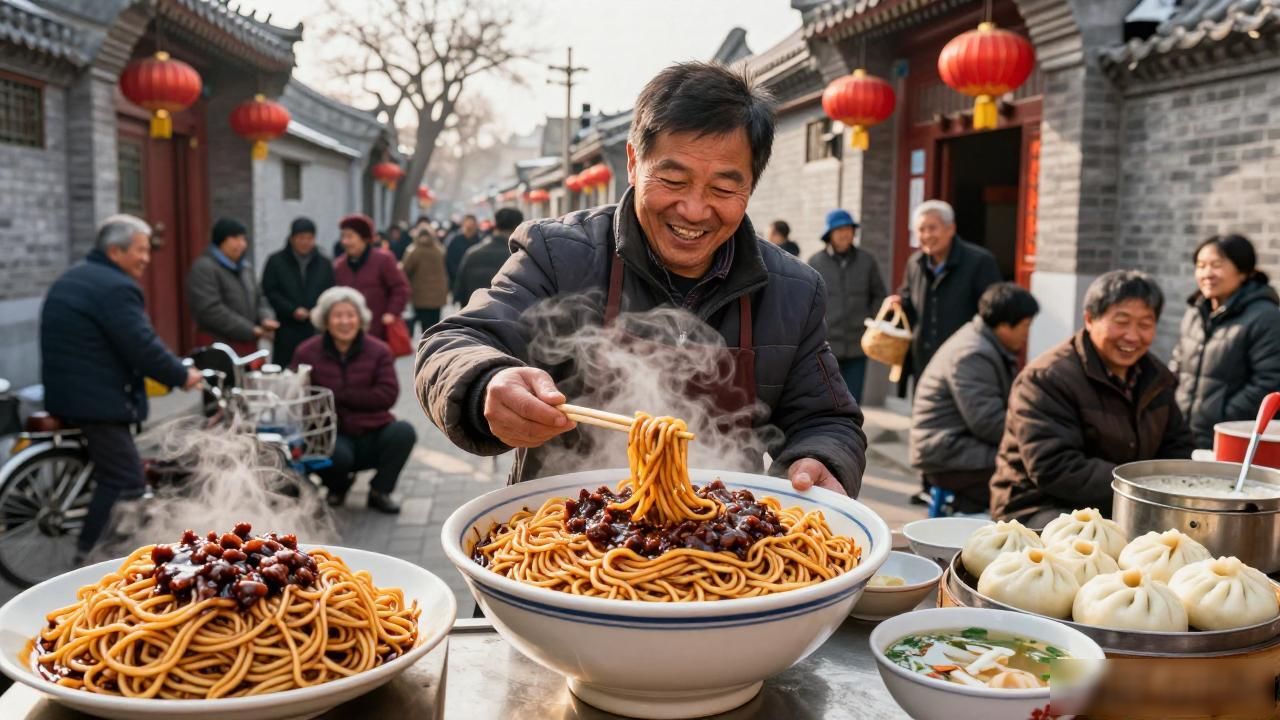
When I first arrived in Beijing over a decade ago, I was struck by how the city’s food scene defied every Western expectation of what Chinese cuisine should be. Beyond the touristy Peking duck restaurants lies a world of tiny alleyway stalls where locals gather after work, clutching skewers and steaming buns like treasures. These aren’t just snacks—they’re edible history lessons, each bite carrying centuries of tradition, ingenuity, and that unmistakable Beijing attitude: bold, unapologetic, and deeply comforting.
Walking through Hutongs at dusk is like stepping into a living museum of flavors. The air grows thick with the scent of cumin lamb, fermented tofu, and something sweet you can’t quite identify yet. This is where Beijing’s culinary soul reveals itself—not in glossy food magazines, but in the steam rising from paper bags held by workers in fluorescent vests.
What Makes Beijing Street Food Different

Beijing snacks share DNA with northern Chinese cooking: hearty, salty, and built to sustain laborers through harsh winters. Unlike the delicate dim sum of Canton or the numbing heat of Sichuan, Beijing flavors are direct and honest. Dazha Jiangmian (fried sauce noodles) isn’t refined—it’s a mountain of wheat noodles drowning in rich, meaty sauce, eaten with enthusiasm rather than etiquette.
What truly sets these snacks apart is their relationship with community. In neighborhoods like Nanluoguxiang’s backstreets, the same auntie has sold jianbing (savory crepes) for twenty years, knowing her customers’ orders before they speak. You don’t just eat here; you belong, if only for the duration of your meal.
These traditions survived cultural revolutions,economic booms, and globalization precisely because they served real people with real hunger. Tourists might visit for Instagram photos, but it’s the regulars who keep these stalls alive through freezing January nights.
Where Locals Actually Eat (Not the Tourist Traps)
Skip the snacks masquerading as Beijing specialties near the Forbidden City—that overpriced sugar-coated hawthorn? That’s performative cuisine. Head instead to Qianmen Street’s side alleys or the night market behind Wudaoying Hutong, where prices stay honest and flavors stay fierce.
My personal pilgrimage sites include a crumbling stall near Yonghe Temple selling zhajiangmian for less than two dollars, and a grandmother’s dumpling shack in Shichahai that opens at dawn and sells out by noon. The latter’s scallion pancakes? Crisp edges give way to chewy centers, each bite releasing onion sweetness that lingers long after you’ve finished.
Don’t be fooled by English menus or friendly staff eager to accommodate—those usually signal compromise. The best stalls operate on a simple principle: if you can read the handwritten sign, you’re in the right place. Yes, you’ll point and gesture. Yes, you’ll misunderstand something vital. That’s part of the adventure, and often leads to the most memorable meals of your trip.
Must-Try Snacks That Define the City
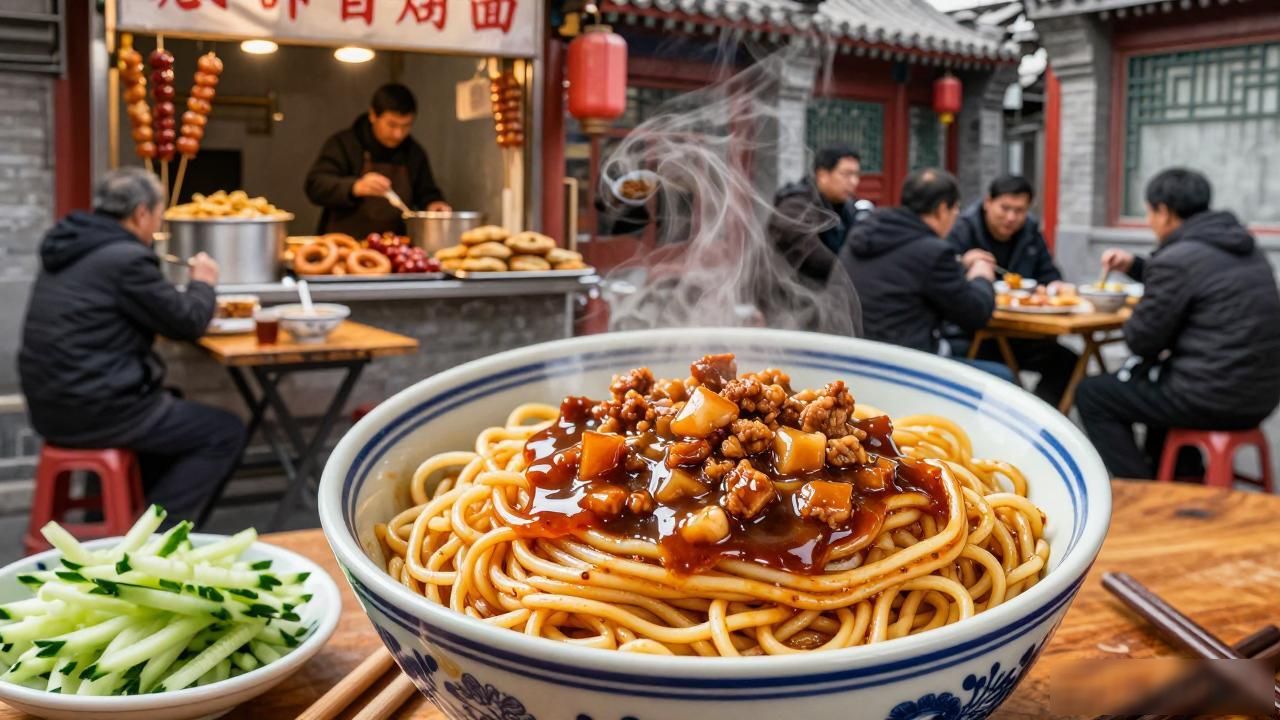
Among hundreds of options, a few stand as unmissable benchmarks of Beijing’s snack culture. Zhajiangmian deserves its national reputation—the soybean paste, laboriously fermented and slowly fried with pork, creates umami depths that no shortcut can replicate. Each bowl tells a story of patience and precision passed through generations.
Then there’s luwei, the braised offal that turns heads and wins hearts in equal measure. Beef tendon, pig ears, chicken feet—all transformed through hours of simmering in dark, spiced broth. The texture is everything: gelatinous yet firm, absorbing flavors without surrendering character. It’s an acquired taste, but once acquired, impossible to forget.
Sweet endings matter too—tanganzi (glutinous rice cakes rolled in soybean flour) or bingtang hulu (candied hawthorn on sticks) provide necessary balance to savory adventures. The sour-tart kick of hawthorn cut through richness while the chewy rice cakes offer comfort in their simplicity. Both hail from imperial kitchens, now democratized into street food for all.