

Giant pandas fascinate people worldwide, but behind their charming black-and-white appearance lies a species that once teetered on the brink of extinction. Panda research is not just about studying these animals in zoos; it is about understanding their biology, behavior, and habitat needs so we can ensure their survival in the wild. Scientists have spent decades unraveling the mysteries of one of the most iconic creatures on Earth, and the knowledge gained from this work has direct implications for global conservation efforts.
What Drives Panda Research Today
The story of panda research began in the 1980s, when scientists realized that wild panda populations were critically low. The total wild panda population was estimated at fewer than 1,200 individuals, a number that triggered urgent international cooperation. Chinese government agencies partnered with foreign researchers to launch comprehensive field studies across Sichuan, Shaanxi, and Gansu provinces.

Researchers had to adapt their methods because pandas are elusive and live in remote mountainous terrain. GPS collaring,camera traps, and fecal sampling became standard tools. Scientists tracked individual pandas over many years, collecting data on movement patterns, feeding habits, and social interactions. These long-term studies revealed something unexpected: pandas have remarkably stable home ranges and do not migrate seasonally like many other bear species.
The research also uncovered genetic bottlenecks. Inbred populations in fragmented habitats showed reduced fertility and higher cub mortality. This finding shifted conservation priorities toward corridor restoration, connecting isolated forest patches so pandas could migrate and breed naturally.
How Science Is Reshaping Conservation Strategies
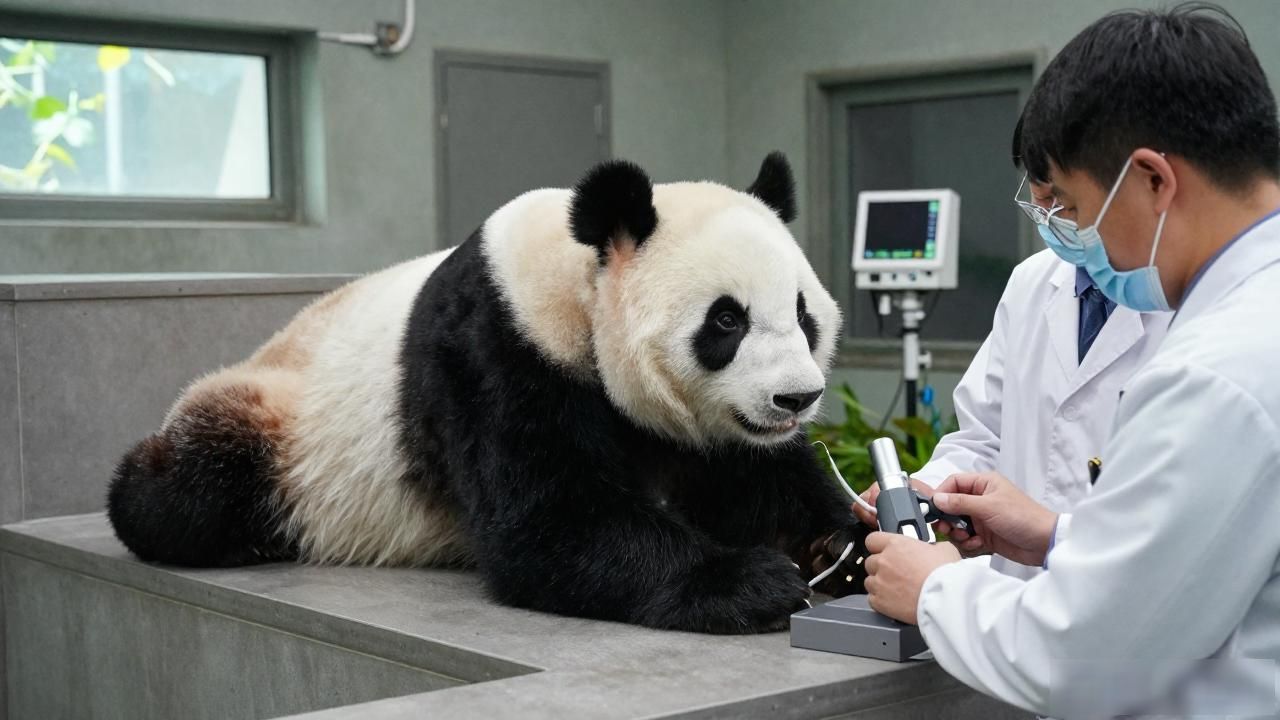
One of the most significant breakthroughs in panda research came from understanding their reproductive biology. Female pandas are fertile for only a few days each year, and they often refuse to mate in captivity. Researchers developed sperm collection techniques and artificial insemination protocols that have increased captive birth rates substantially. Captive breeding programs now produce more than 200 panda cubs annually in China alone, a remarkable achievement given how difficult these animals are to breed naturally.
Dietary research also transformed how we view pandas. Despite belonging to the order Carnivora, giant pandas eat almost exclusively bamboo. Studies showed their digestive systems have not fully adapted to a herbivorous diet, meaning they must consume enormous quantities of food each day. Researchers are now investigating whether climate change and bamboo flowering cycles pose a future threat to panda food security in the wild.
Behavioral research has produced equally valuable insights. Scientists discovered that pandas use scent marking extensively rather than vocal communication. Audio recordings from the wild showed very few vocalizations compared to other bear species. Understanding this communication style helps researchers monitor populations more effectively without disturbing the animals.

The results speak for themselves. The International Union for Conservation of Nature downgraded the giant panda from Endangered to Vulnerable in 2016, a direct outcome of sustained research-driven conservation work. But researchers emphasize that this progress depends entirely on continued monitoring and habitat protection.
Panda research has become a model for how scientific inquiry can directly inform and improve conservation policy. The lessons learned from studying this single species have been applied to countless other endangered animals around the world.