
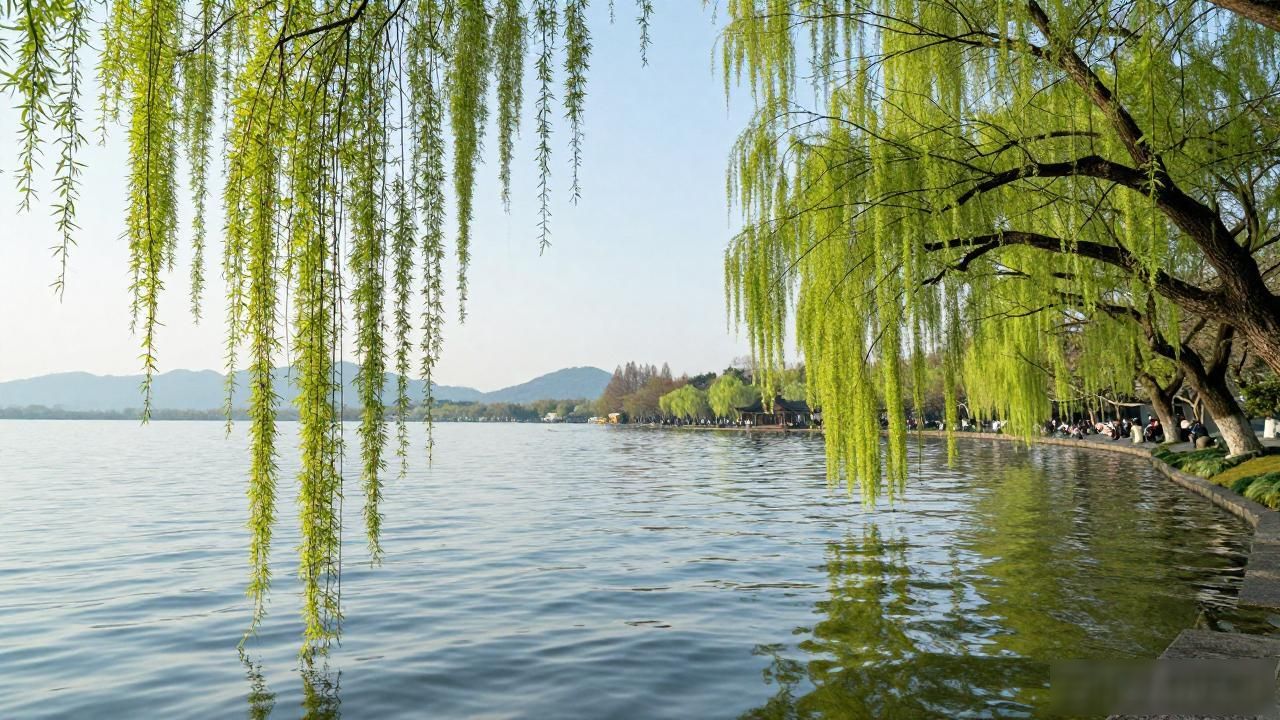
West Lake in Hangzhou has captivated travelers for centuries, but few sights capture its soul quite like the willows lining its shores. These graceful trees transform the lake into something between a painting and a dream, and for visitors, understanding when and where to see them can make the difference between a good trip and an unforgettable one.
When is the best time to see West Lake willows

The golden window runs from mid-March through early May. Young leaves unfurl in late March, casting a pale jade glow across the water. By April, the branches hang low and full, creating tunnels of green along the lake’s edges. May brings a softer, almost melancholy quality as the foliage matures and the air grows warmer.
I remember arriving on a misty morning in April, just after dawn. The willows stood like silent sentinels along the causeway, their tips barely touching the still water. A few visitors wandered the path, and everything felt suspended in time. This is the moment most travelers miss because they arrive later in the day when the crowds have already gathered.
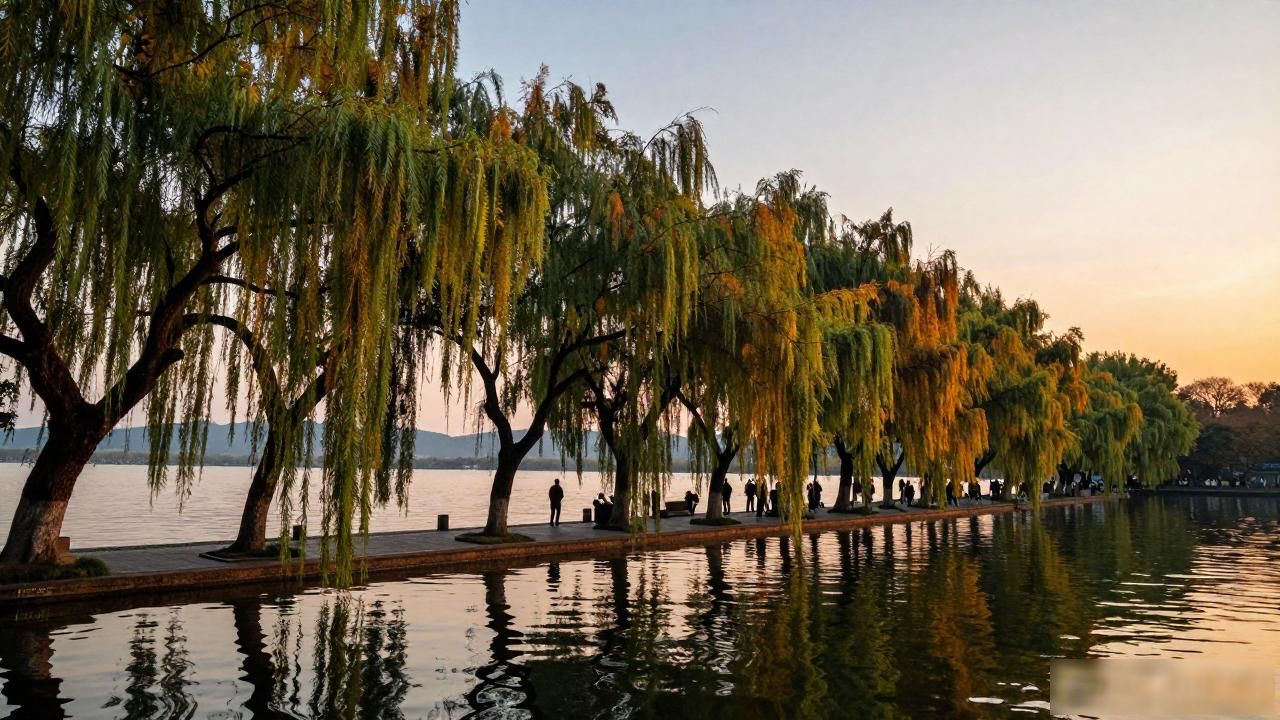
Autumn also holds beauty, though the willows turn a deeper, richer green rather than the fresh lime of spring. September and October offer fewer tourists and a quieter atmosphere. The light at sunset paints the leaves in amber and gold, creating reflections that look almost painted onto the lake surface.
Where are the best spots to see West Lake willows
The Su Causeway stretches nearly two kilometers and offers some of the most iconic views. Walking it at sunrise means you can experience the willows almost alone, their branches framing every turn of the lake. The six bridges along the causeway each provide a different perspective, and each one makes for a stunning photograph.
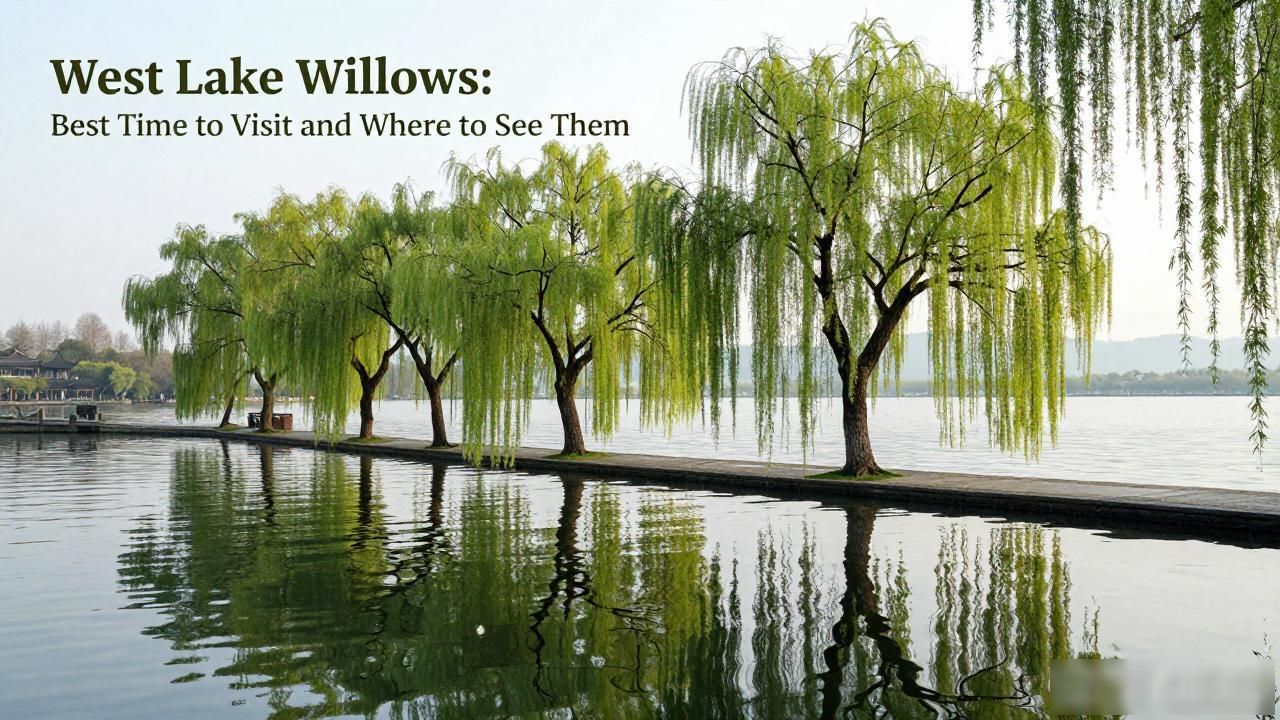
The area around the Broken Bridge, one of Hangzhou’s most famous landmarks, attracts crowds even in quiet months. Still, the willows here grow so close to the water’s edge that their reflections create a mirror image almost perfect enough to fool the eye. It was here that Legend of the White Snake took place, adding layers of meaning to every glance at those drooping branches.
For something less crowded,head toward the eastern shore near the Leifeng Pagoda. The willows here grow wilder and taller, and the path along the water feels more intimate. A small restaurant by the lake serves tea with a view that rivals anything on the more famous sides. Sitting there on a warm afternoon, watching the willow fronds sway gently in the breeze, you understand why Chinese poets have written about these trees for over a thousand years. William Langland once described willows as hanging their heads in contemplation, and standing among West Lake’s willows, that image feels entirely accurate.