
When it comes to the world of tea, few experiences are as timeless and mesmerizing as a traditional tea ceremony. Whether you are a curious beginner or someone who has already fallen in love with the art of brewing, choosing the right tea ceremony set can feel like navigating an entirely new culture. This guide will walk you through everything you need to know about these beautiful collections, helping you find the perfect set that resonates with your personal taste and lifestyle.
What Do Traditional Tea Ceremony Sets Include
A traditional tea ceremony set is much more than just a teapot and a cup. Depending on the culture it originates from, each piece serves a specific purpose and contributes to the overall ritual. In Japanese chanoyu, you will typically find a chawan, or tea bowl, a chasen for whisking matcha, a chashaku for scooping powdered tea, and a natsume or chaire for storing the tea leaves. Each item is carefully crafted and chosen to enhance the meditation and mindfulness inherent in the ceremony.

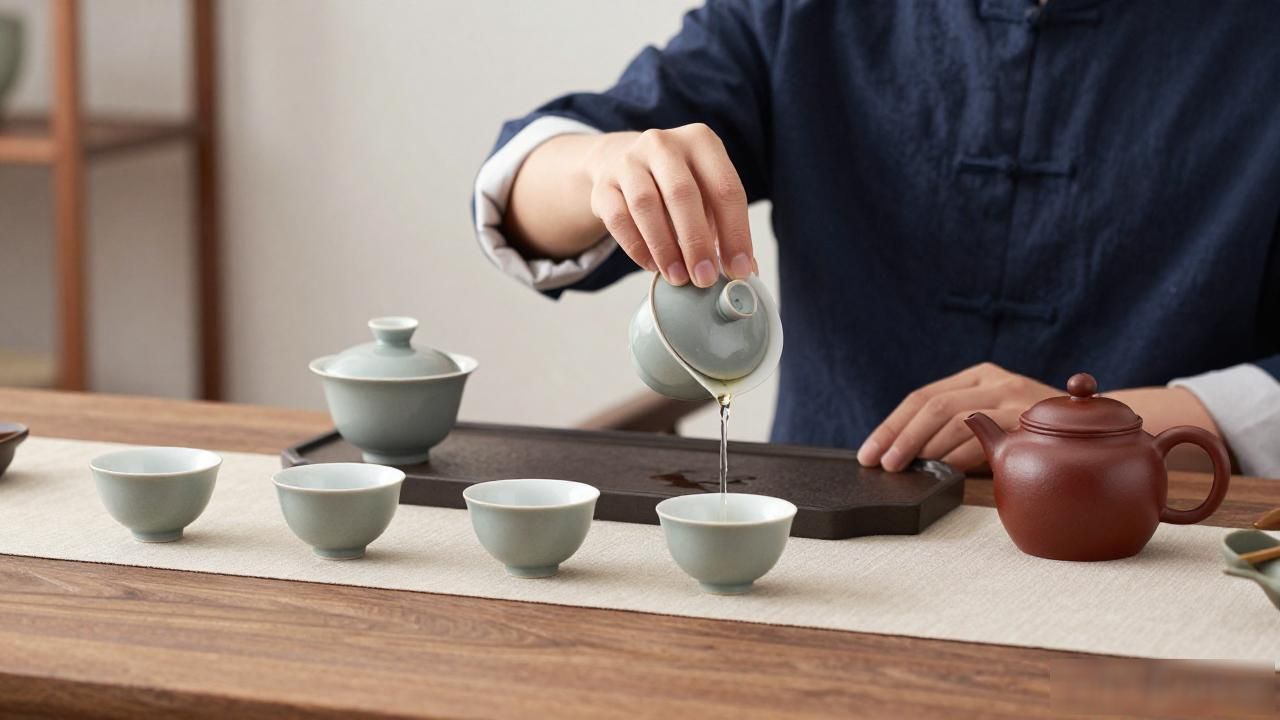
Chinese gongfu tea sets tell a slightly different story. These sets emphasize multiple small teacups, a gaiwan or yixing clay teapot, and a fairness pitcher to ensure every guest receives an evenly brewed cup. The philosophy behind gongfu tea is all about skill and precision, with the brewer pouring small quantities of concentrated tea into tiny cups. It is a practice that rewards patience and attention to detail,making it incredibly satisfying for those who enjoy a more hands-on approach to tea preparation.
Korean dongneum tee rituals take yet another unique direction. Korean tea ceremony sets often feature elegant celadon ware, characterized by their distinctive greenish-blue glaze and subtle crackle patterns. The set usually includes a teapot, cups, and sometimes a decorative tray, all designed to complement the serene and refined atmosphere that Korean tea culture cultivates.
How To Choose The Right Tea Ceremony Set For You
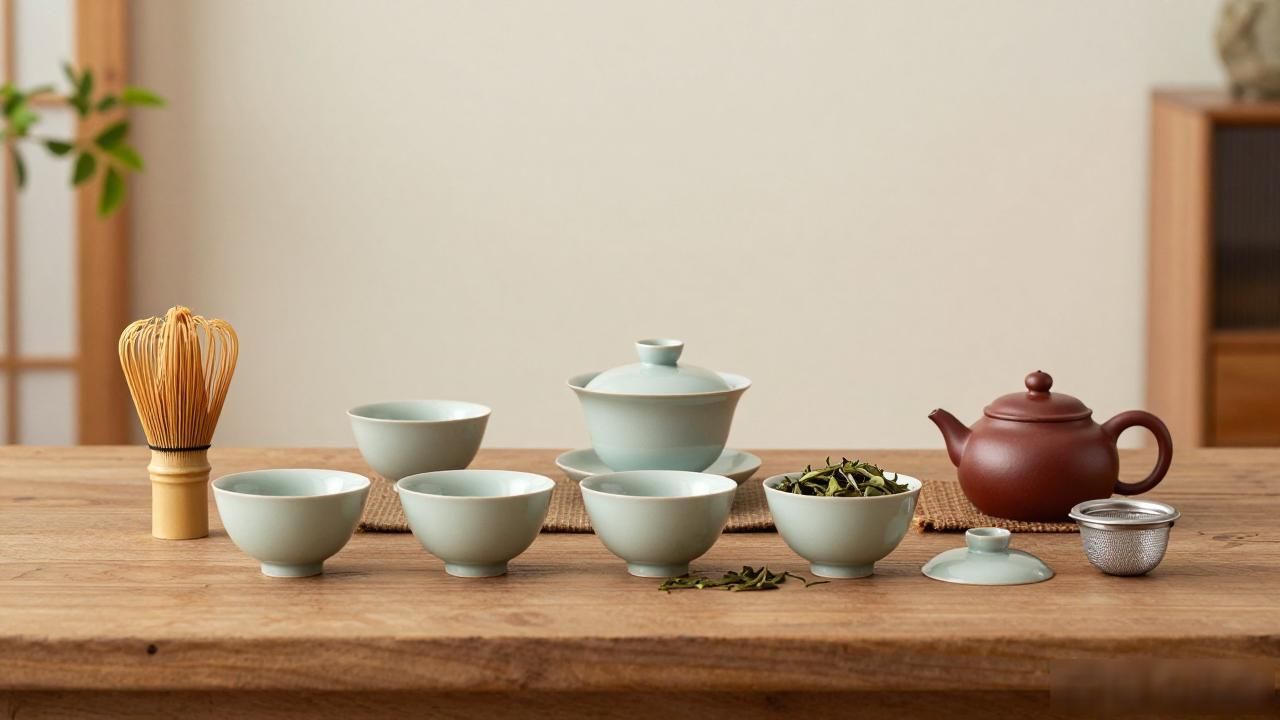
Selecting a tea ceremony set is deeply personal, and there is no single correct answer. One important consideration is the style of tea you plan to prepare. Matcha enthusiasts will need a chasen and chawan, while those who prefer loose leaf teas might gravitate toward a gaiwan or a traditional Chinese clay pot. Think about what kind of tea experience excites you the most, and let that guide your choice.
Material also plays a crucial role in both the aesthetics and functionality of your set. Clay pots are beloved for their ability to absorb and enhance the flavors of tea over time, especially in Chinese gongfu traditions. Ceramic and porcelain offer a cleaner slate, allowing the natural color and aroma of the tea to shine without interference. Metal sets carry a certain vintage charm and are excellent at retaining heat, though they may not be suitable for all types of tea.
Budget and authenticity deserve careful consideration as well. Handcrafted pieces from established artisans in Japan, China, or Korea can range from affordable to quite expensive, depending on the materials and craftsmanship involved. While it can be tempting to opt for a cheaper mass-produced set, investing in quality pieces often proves worthwhile in the long run. A well-made tea set can last for decades and may even become a cherished family heirloom passed down through generations.
Why Traditional Tea Ceremony Sets Matter Today
In our fast-paced modern world, the simple act of gathering around a traditional tea ceremony set offers a powerful reminder to slow down. The ritual demands presence, intention, and a willingness to savor the moment. For many people, preparing and sharing tea becomes a daily practice of grounding themselves amidst the chaos of everyday life.
Tea ceremony sets also serve as beautiful conversation starters and cultural bridges. Hosting a tea gathering with a traditional set invites guests to slow down, engage in meaningful dialogue, and appreciate the beauty of simplicity. It transforms an ordinary afternoon into a memorable experience that connects people across generations and cultures. The warmth and hospitality embedded in the ritual remind us that some of the most valuable moments in life are the quiet ones shared with those we care about.