
West Lake has drawn travelers for over a thousand years, and for good reason. As someone who has returned to this ancient city again and again, I can tell you that Hangzhou rewards the curious with quiet canals, tea terraces, and a pace of life that feels almost impossible outside of China. This city is where nature and culture exist in balance — something rare in modern travel. The following guide is built for visitors who want to move beyond the surface and actually experience what makes Hangzhou worth the trip.
What should I see in Hangzhou first
West Lake is the obvious starting point, but most people rush through it in a single afternoon and miss everything important. The lake stretches across seven kilometers of water surrounded by willow-lined paths, ancient temples, and stone bridges that appear in classical Chinese paintings. Walking the full perimeter takes about three hours at a relaxed pace. If you go early in the morning, you will have the shores nearly to yourself.

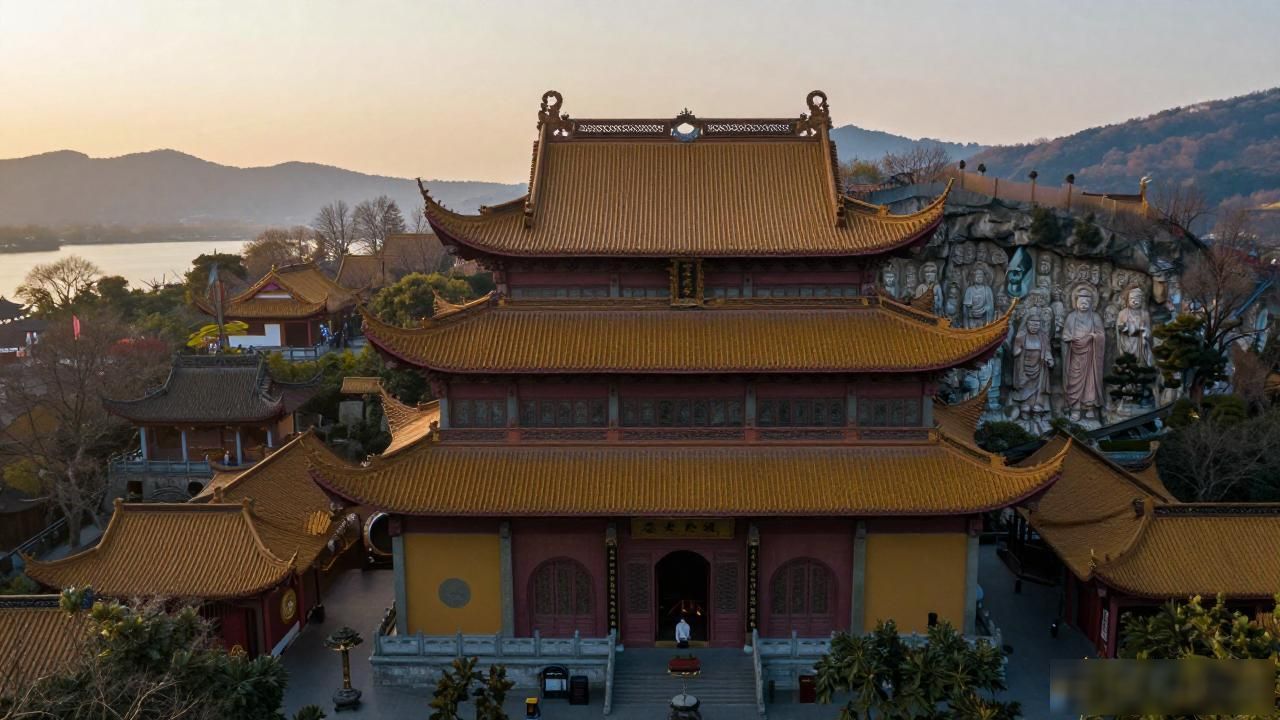
Beyond the lake itself, the Lingyin Temple complex sits nestled among hills just minutes away. It is one of the wealthiest and most significant Buddhist temples in all of China. The carved cliffs behind the main hall are extraordinary — hundreds of statues etched directly into the rock face over many centuries. Arriving before nine in the morning saves you from the worst of the tour groups.
The Ten Weir Gardens along the western edge of the lake deserve more attention than they receive. Each garden tells a different story through carefully arranged rocks, ponds, and pavilions. The most famous includes the Broken Bridge, Leifeng Pagoda, and Su Causeway. These spots may sound generic on paper, but standing among them with nothing around you except water and mountains creates moments that stay with you.
Where should I eat in Hangzhou

Hangzhou food is often overshadowed by Sichuan and Cantonese cuisine, but it deserves recognition. The local style emphasizes freshness, subtlety, and the natural flavors of ingredients. Dongpo Pork is the dish every visitor should try. The meat is braised slowly in soy sauce and rice wine until it melts on the tongue. West Lake Vinegar Fish is another classic, though it comes with bones — eat carefully and enjoy the sweet-sour broth.
Linping Road near the university district offers affordable and authentic options without the tourist pricing. Small noodle shops and steamed dumpling places line the street, serving locals between classes. For a proper sit-down meal, Zhiweiguan Restaurant has been operating since the late nineteenth century and maintains traditional recipes that have not changed.
Green tea culture is inseparable from Hangzhou. Longjing tea grows on the hills surrounding the city, and visiting a plantation during picking season in April gives you the chance to taste freshly processed leaves. Many teahouses along the lake serve decent cups for a reasonable price. A bowl of real Longjing tea in a courtyard overlooking the water costs less than a coffee in most Western cities.
How many days do I need for Hangzhou
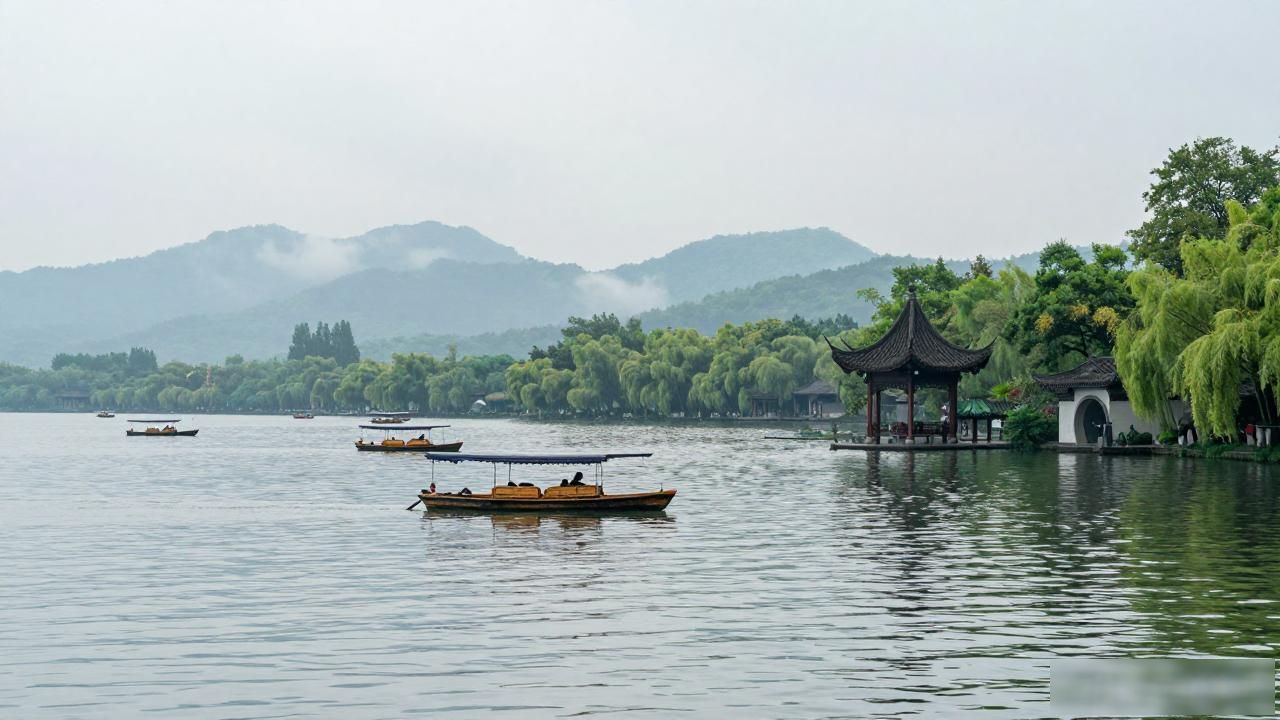
Two days covers the highlights, but three allows you to breathe. On a single day you can walk West Lake,visit Lingyin Temple, and eat at one good restaurant. With two days, you can explore additional gardens, take a boat ride across the lake, and wander through the China National Silk Museum, which houses an impressive collection spanning thousands of years. Three days adds the possibility of a half-day trip to nearby Zhujiajian Water Town, a preserved village of canals and white-walled houses that feels like stepping into another century.
Transportation within Hangzhou is straightforward. The metro has expanded significantly and connects major attractions efficiently. Buses are cheap and reach areas the metro does not. Taxis are affordable compared to Shanghai or Beijing, though hailing one on the street during peak hours can be frustrating. Using a translation app makes ordering food and asking directions much easier than relying on broken English.
Hangzhou does not demand that you rush. The city was designed for lingering — along its shores, through its gardens, inside its old streets. Come prepared with comfortable shoes and an open mind, and you will leave wanting to return.