
When it comes to finding genuine Chinese food restaurants, most people know just one thing to look for, yet so many miss what really matters. I’ve spent over a decade traveling across America, eating at Chinese restaurants from San Francisco to New York to Chicago,and I’ve learned that the difference between a forgettable meal and an unforgettable one comes down to a few simple but telling details. This guide will walk you through what to look for, which regional cuisines deserve your attention, and where the best authentic spots tend to hide.
How Do You Spot Authentic Chinese Food Restaurants
Many people have no idea how to judge whether a Chinese restaurant is serving real food or an Americanized version designed to please palates that have never tasted anything else. The answer lies in reading the room and the menu before you even order. Walk into a genuinely authentic Chinese restaurant and you will immediately notice something different about the energy. The menu, if it is bilingual, likely has Chinese characters alongside the English translations, sometimes written by native speakers rather than generated by a machine. Dishes like mapo tofu, dan dan noodles, xiaolongbao, and congee appear prominently instead of the usual orange chicken and fortune cookies that dominate nearly every other menu.

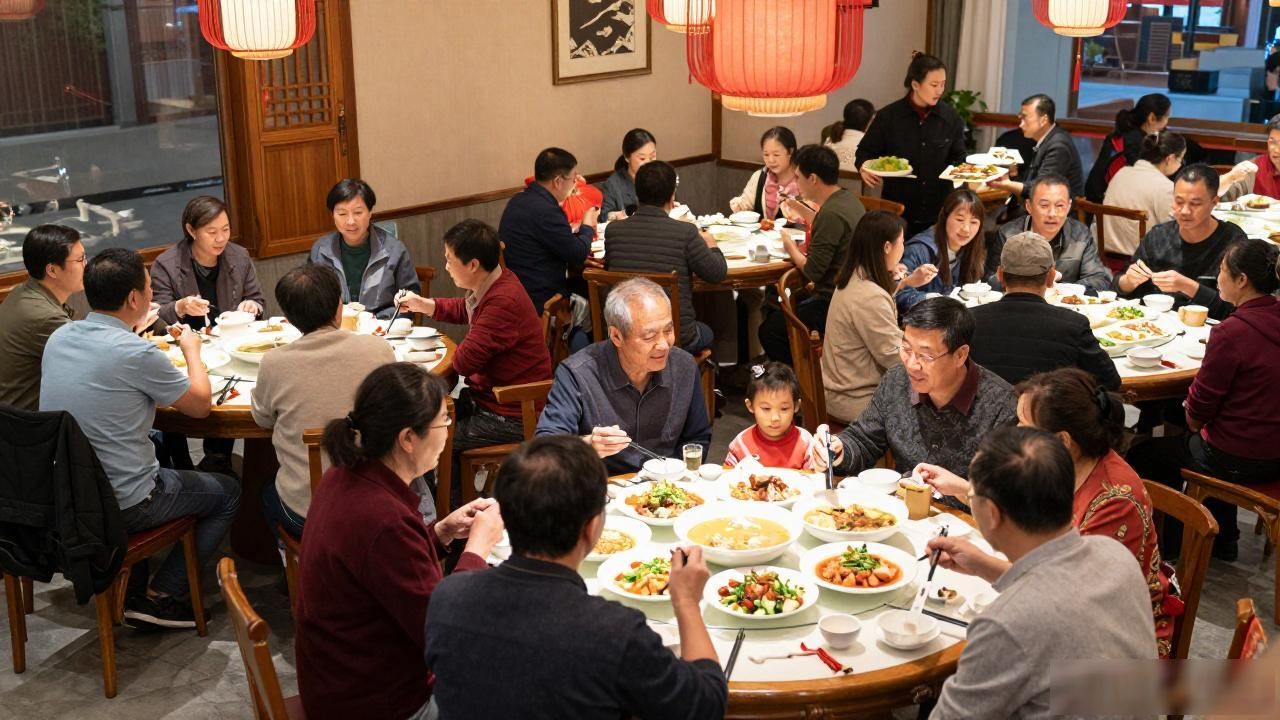
The clientele tells you everything you need to know. True authentic Chinese food restaurants naturally draw a mix of Chinese locals and curious food lovers who want to experience real regional cooking. If the dining room fills up with families speaking Mandarin, Cantonese, or other Chinese dialects during lunch or dinner hours, you are likely in the right place. Authentic Chinese food tastes like somewhere your grandmother would take you, warm, generous, and rooted in tradition rather than driven by trends.
Another subtle but important clue comes down to the cooking style itself. Regional Chinese cuisine varies enormously across the country, and the best restaurants specialize in one particular tradition rather than trying to offer everything. Some focus on the bold, numbing heat of Szechuan cooking. Others excel at delicate dim sum from Guangdong or the hand-pulled noodles of Lanzhou. When a restaurant clearly owns a regional specialty, the results speak for themselves through every bite.
Why Regional Chinese Food Matters More Than You Think
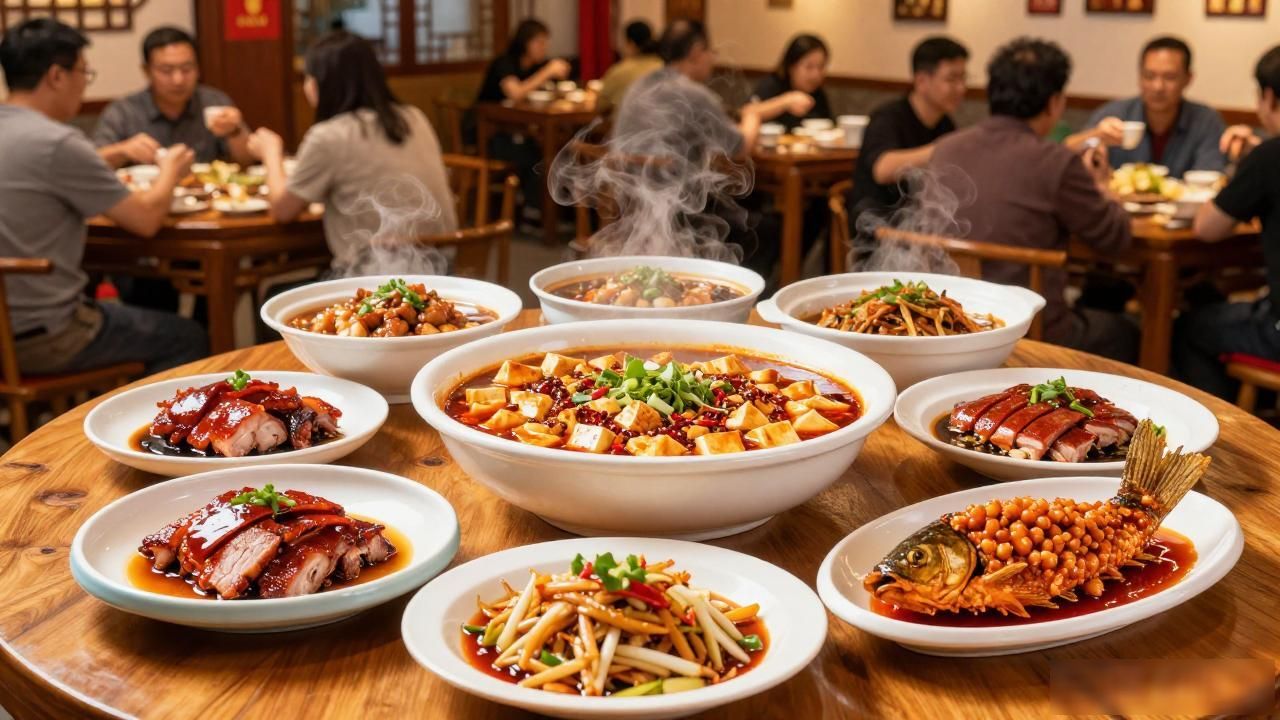
Most people who search for Chinese food restaurants near them treat all Chinese food as one uniform category, but that approach misses one of the most rewarding aspects of the entire dining experience. Chinese cuisine is far too diverse to be reduced to a single flavor profile, and understanding regional differences transforms a simple meal into a journey across thousands of miles and centuries of culinary history. Szechuan food brings fiery peppercorn heat that lingers on the tongue. Cantonese food emphasizes freshness, subtlety, and perfectly steamed proteins. Hunan cuisine leans heavily into dried chilies and deep, savory richness. Each region carries its own personality, and the best restaurants honor that identity with consistency.
Finding a restaurant that genuinely represents one of these traditions requires a bit of exploration, but the effort pays off in ways that generic options simply cannot match. In cities like San Francisco, New York, Los Angeles, and Seattle, certain neighborhoods still maintain vibrant Chinatowns where family-run establishments have operated for generations. These places preserve recipes passed down through families, techniques refined over decades, and ingredients sourced specifically for authenticity. A regional Chinese restaurant is a living archive of culinary history in every dish it serves.
The modern food scene also offers exciting opportunities that did not exist even ten years ago. More chefs trained in China now run restaurants in American cities, bringing techniques and flavors that most diners have never encountered. Hot pot restaurants, late-night noodle shops, and dumpling houses have exploded in popularity, giving hungry food seekers a chance to taste China on its own terms rather than through a middleman’s interpretation. Seeking out these newer spots often leads to surprising discoveries.
Where Are the Best Chinese Food Restaurants Located
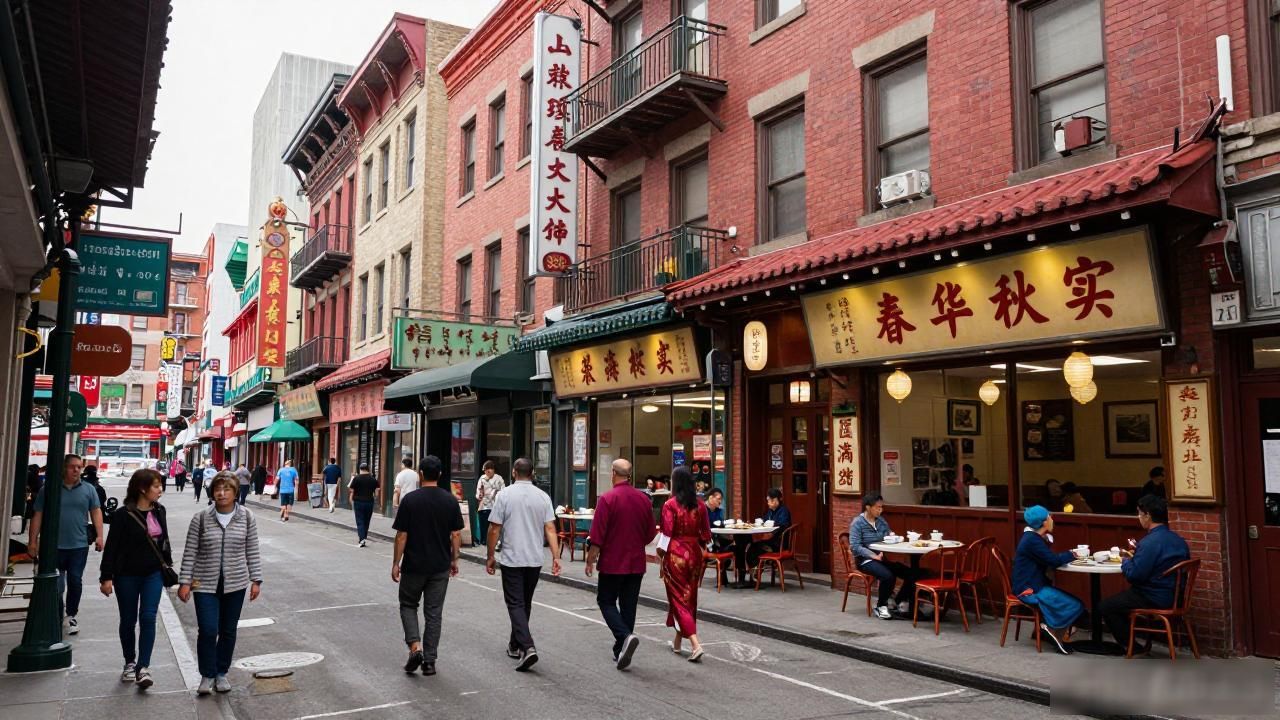
The geography of Chinese food in America tells a fascinating story about migration patterns, community growth, and the evolution of immigrant entrepreneurship over the past century. Older Chinatowns in major cities remain the most reliable source for authentic experiences because these neighborhoods developed organically around communities that arrived with deep culinary traditions intact. A walk through the historic district in San Francisco or the streets around Canal Street in Manhattan reveals a concentration of family-owned restaurants where the owners and cooks themselves were born and trained in China.
However, the landscape has shifted dramatically in recent years as Chinese immigrants have spread into suburban areas and smaller cities across the country. This dispersal has created pockets of exceptional food in unexpected places, from the thriving Chinese restaurant scenes in Austin and Denver to the hidden noodle shops in Minneapolis and the dim sum houses in Vancouver, British Columbia. These newer enclaves often reflect more recent regional origins rather than the traditional Guangdong dominance of older Chinatowns, which means you can find Lanzhou beef noodles, Chongqing hot pot, and Shanghai soup dumplings far from the historic cores.
Social media and food delivery platforms have made finding the best Chinese food restaurants easier than ever before. Reading reviews from people who actually know the difference between good and great helps you avoid tourist traps and discover local favorites that never advertise. Saving this guide to your phone and using it the next time you find yourself craving a real bowl of dan dan noodles or a plate of perfectly pan-fried dumplings can make all the difference between a mediocre meal and a memorable one. Exploring different Chinese food restaurants builds a deeper appreciation for a culture that nourishes millions and continues to evolve with every new generation of chefs.