
Chongqing is one of China’s most fascinating cities, but its transport system can be confusing at first glance. This guide covers everything you need to know about getting around the Mountain City, from subway routes to taxi apps. Understanding local transport is essential for enjoying Chongqing’s amazing food scenes, historic sites,and breathtaking night views. I’ve visited this city twice and learned through trial and error which methods work best for visitors.
How Does Chongqing Metro Work for Tourists?
The Chongqing Metro has grown incredibly fast over the past decade. Lines now stretch across the city, connecting major attractions like Hongya Cave, Jiefangbei, and Ciqikou Ancient Town. You can pay using Alipay or WeChat Pay, or buy single-journey tickets at any station. Cards are available too and work on both metro and buses.

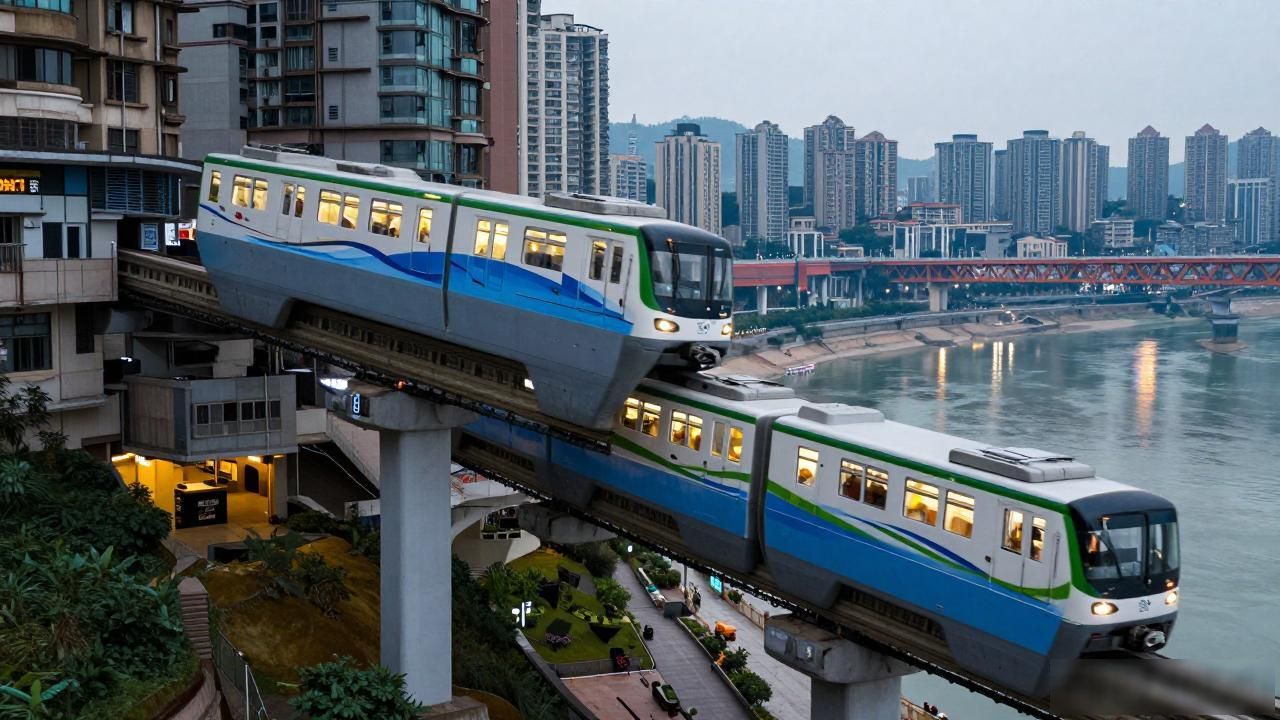
Some stations look like underground malls. Line 2 and Line 3 offer scenic views as they run along the Yangtze River. The monorail experience on Line 2 is unique — trains pass through buildings and cross rivers. It feels surreal the first time.
Getting lost is almost guaranteed if you don’t check the map first. Chongqing is built on hills and split by two rivers. Stations named “Exit A” might dump you uphill or downhill from where you expect. Always download offline maps before exploring.
How to Navigate Chongqing’s Steep Streets?
Forget flat-city thinking. This place is vertical. Stairs replace sidewalks. Bridges connect buildings at different elevations. Tourists often discover that their destination, visible from their hotel window, requires climbing hundreds of steps.
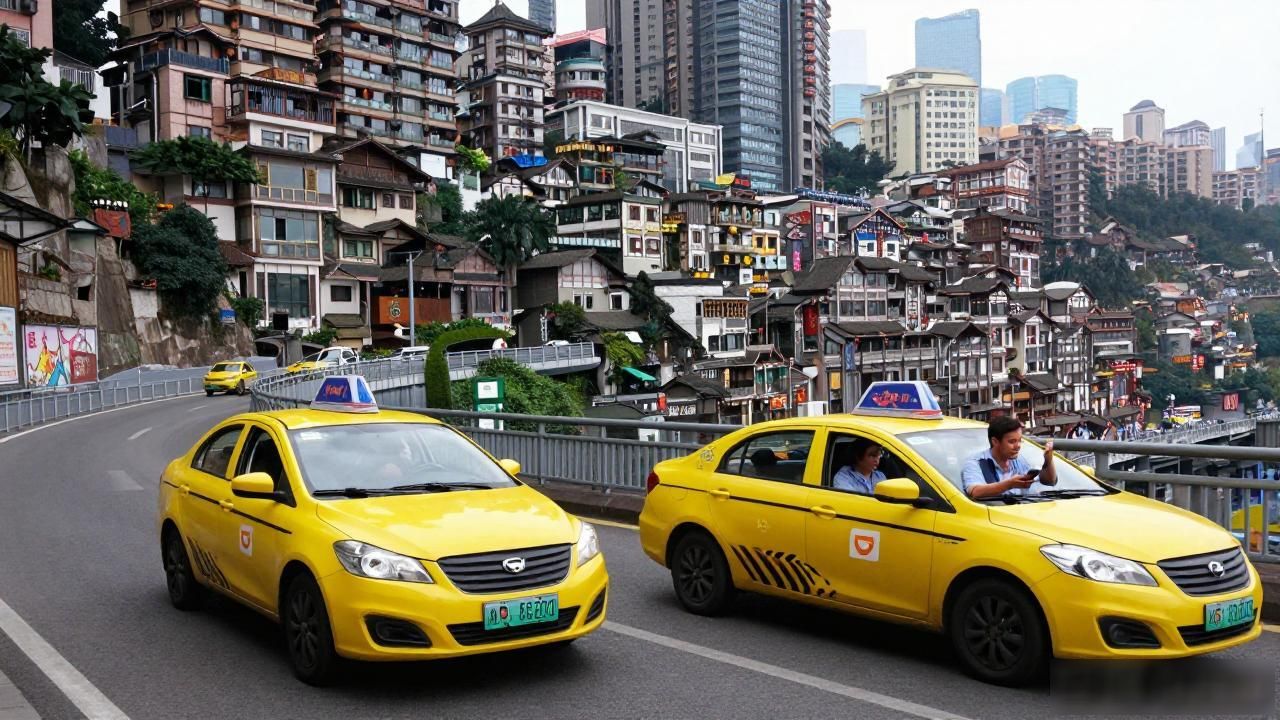
Taxis and ride-hailing services handle hilly terrain better than walking. Didi and Uber-style apps work smoothly here. Drivers know shortcuts that save twenty minutes on foot. Use translation apps when talking to taxi drivers who speak little English.
Walking remains the most rewarding way to discover hidden alleys and street food stalls. Just prepare for serious leg work. Elevators exist in some commercial areas, but most old neighborhoods rely entirely on steps and ramps. Wear comfortable shoes — your calves will thank you.
What Transport Options Work Best at Night?
Chongqing’s nightlife scene deserves daylight exploration too. The illuminated skyline along Jialing River is spectacular after dark. Night buses run less frequently than daytime services, so plan accordingly.
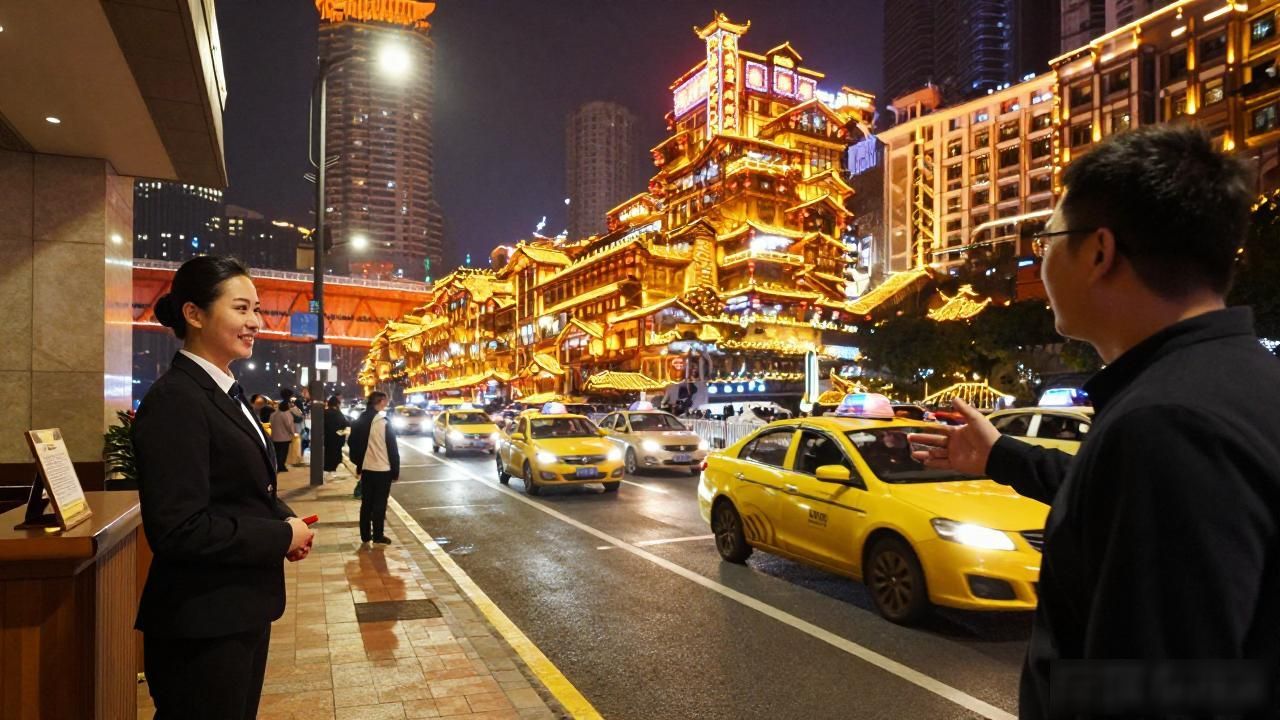
Night taxis are plentiful near tourist areas. Rates increase slightly after midnight, but remain affordable by international standards. Hotel concierges can call reputable companies if you prefer arranged pickups over hailing on the street.
For river views, hop-on river cruise boats operate evening routes along both waterways. Tickets cost around 80 to 150 yuan depending on the vessel. Book online in advance during peak seasons to avoid sold-out situations.
Navigating Chongqing takes adjustment, but the effort pays off. The city rewards curious travelers who embrace its unconventional layout. Once you understand the system, getting between hotpot restaurants and riverfront parks becomes second nature. Plan your routes ahead, stay patient with language barriers, and enjoy one of Asia’s most dynamic urban landscapes.