
China’s cultural calendar is marked by festivals that have endured for thousands of years, each carrying deep symbolic meaning and vibrant traditions. For foreigners visiting or living in China, understanding these customs opens a window into the heart of Chinese society. Chinese festivals are not merely dates on a calendar — they represent family bonds, agricultural rhythms, and spiritual beliefs that continue to shape modern Chinese life. Let me walk you through the most important ones.
What Makes Chinese New Year Special

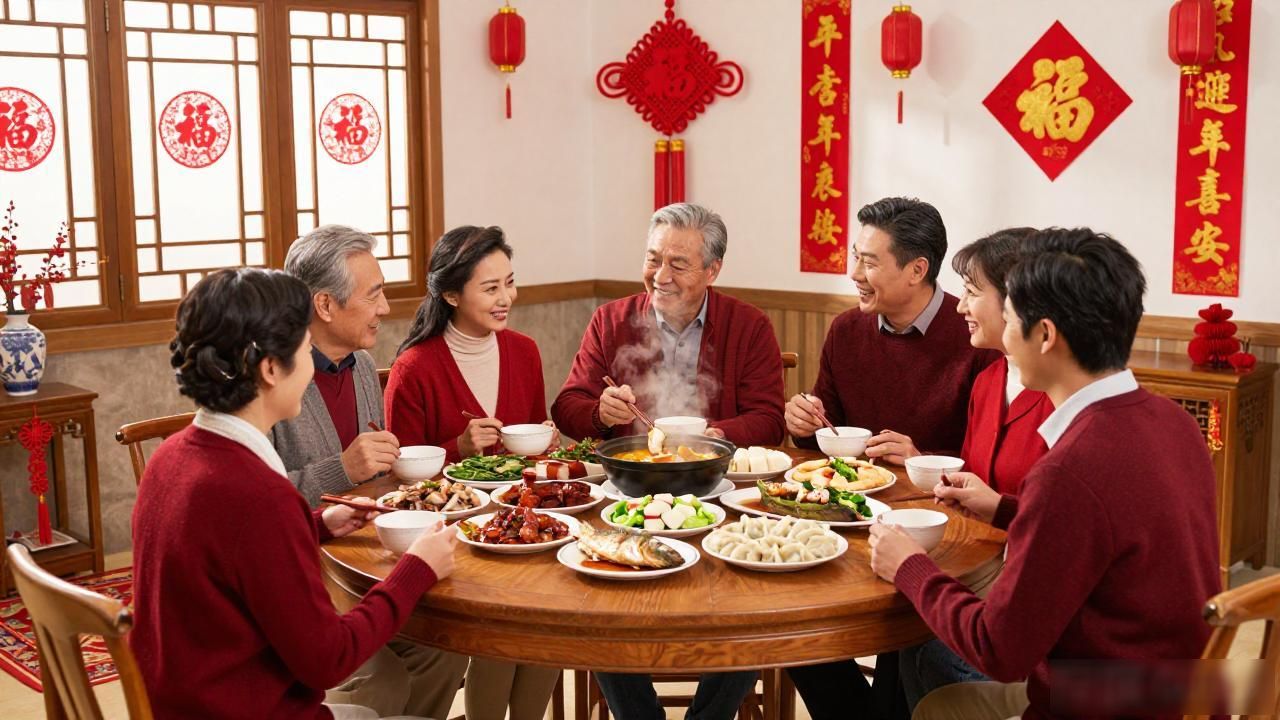
Chinese New Year, or Spring Festival, is the most significant festival in China. It marks the beginning of the lunar calendar and typically falls between late January and mid-February. Families travel enormous distances to reunite for the festival dinner on New Year’s Eve. This annual migration, known as Chunyun, is the largest human movement on Earth. Red decorations everywhere signal good fortune, and children receive red envelopes containing money from elders — a gesture meant to pass on blessings and ward off evil spirits. Fireworks light up the night sky, and lion dances perform in streets and shops.
The festival lasts fifteen days, culminating in the Lantern Festival. During this period, taboos abound: no sweeping on the first day, no breaking dishes, and no using knives. These rules exist to ensure that good luck remains inside the home throughout the year. Visitors should expect closed businesses during the first few days, as most Chinese people prioritize family time over work or shopping.
Why Do People Eat Zongzi During Dragon Boat Festival
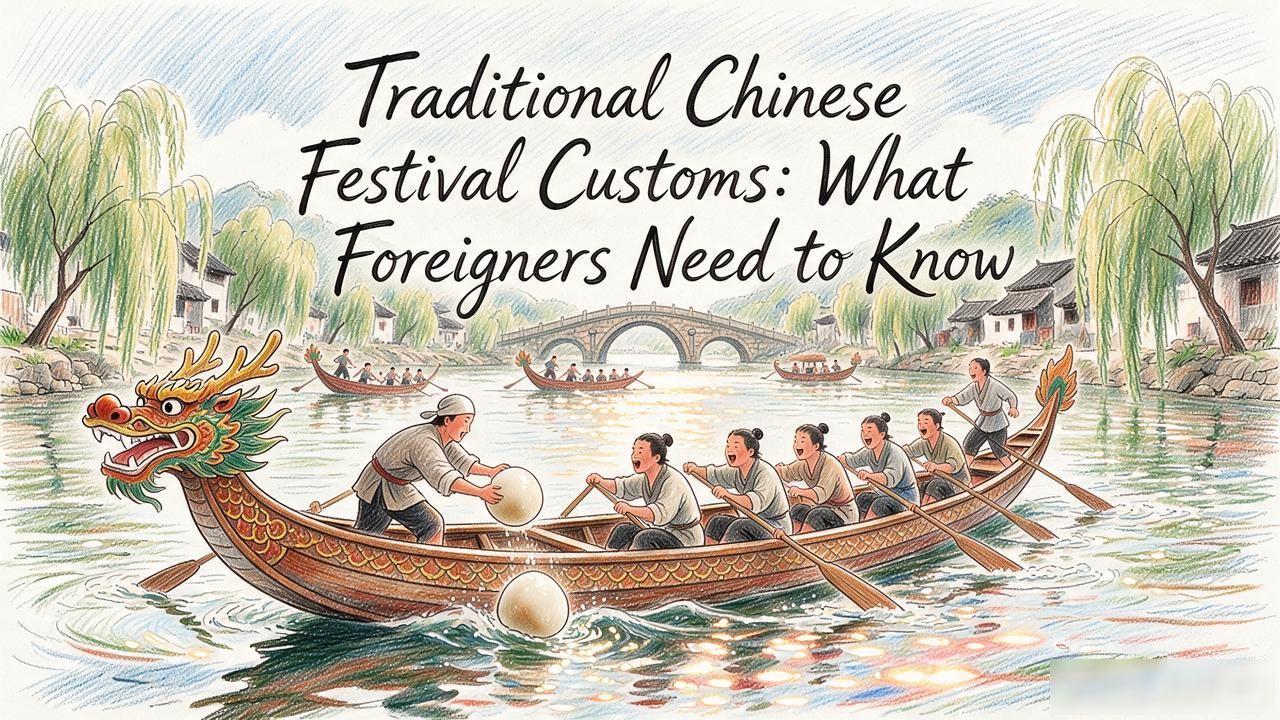
Dragon Boat Festival, falling on the fifth day of the fifth lunar month, commemorates the patriotic poet Qu Yuan, who drowned himself in the Miluo River around 278 BC. Locals raced out in boats to save him and threw rice into the water to feed his spirit rather than let fish consume his body. Today, this tradition lives on through zongzi — glutinous rice wrapped in bamboo leaves and stuffed with meat, beans, or dates. Each region has its own style, with the north favoring sweet fillings and the south preferring savory options.
Dragon boat racing has become a competitive sport enjoyed across China and increasingly worldwide. Teams paddle in sync to the beat of drums, creating an electrifying atmosphere along riverbanks. Some areas also hang mugwort and calamus on doors for protection against disease, reflecting the festival’s original purpose as a summer health ritual. The combination of food, sport, and symbolism makes this festival particularly rich in meaning.
How Is Mid-Autumn Festival Celebrated
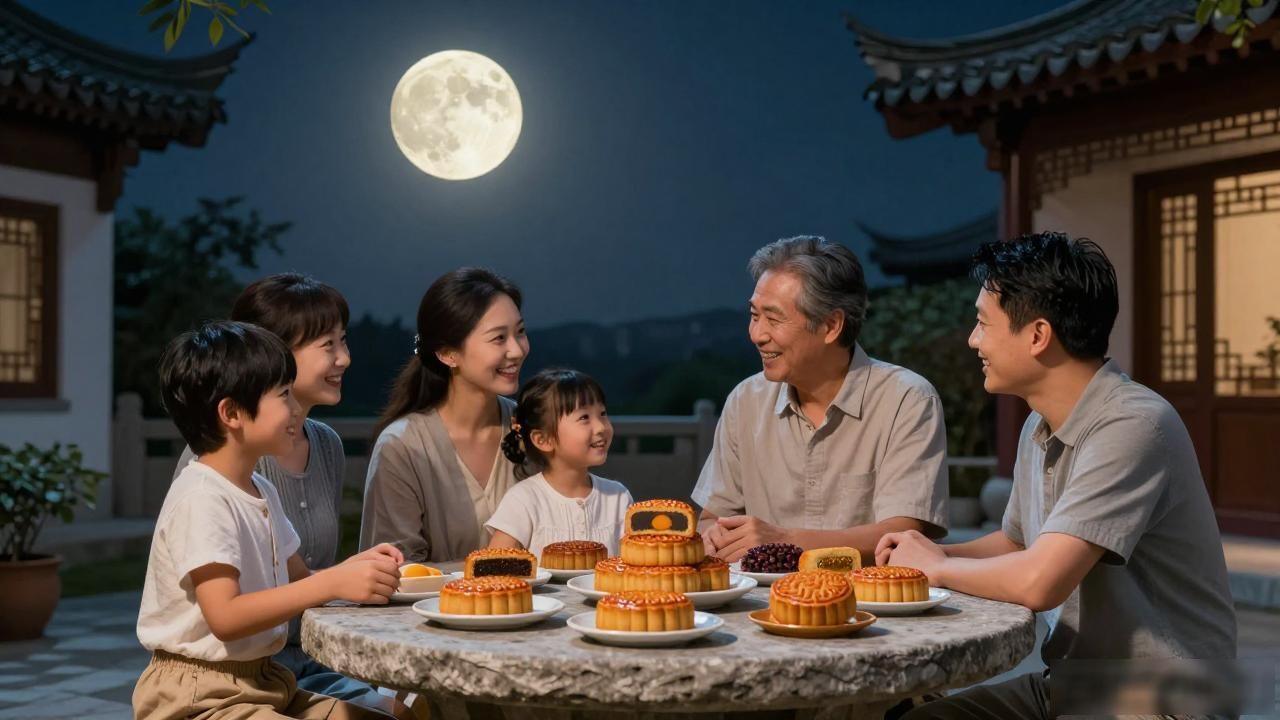
Mid-Autumn Festival occurs on the fifteenth day of the eighth lunar month, when the moon is fullest and brightest. Families gather to admire the moon while eating mooncakes — round pastries with dense fillings like lotus seed paste, red bean, or salted egg yolk. The round shape symbolizes unity and completeness, making this festival deeply connected to family bonds. In some regions, people light colorful lanterns and solve riddles written on them.
This festival draws from the legend of Chang’e, the Moon Goddess, who swallowed the elixir of immortality and floated to the moon. Her story evokes themes of sacrifice and longing that resonate throughout Chinese literature and art. Modern celebrations include extravagant mooncake boxes wrapped in luxury packaging, sometimes costing hundreds of dollars — a far cry from the humble treats of rural China. Despite commercialization,the core sentiment remains: gratitude for harvest, appreciation of natural beauty, and cherishing time with loved ones.