

Visiting Family in China? Your Complete Guide to Visa-Free Entry
If you have family in China and have been wondering about the visa situation,you are not alone. The topic of China visa free for family reunions comes up constantly among expats and travelers alike. Let me share what I have learned from over a decade living in China as a British national. The rules have evolved quite a bit, and understanding them can save you time, money, and a lot of frustration.
What Is the China Visa-Free Policy for Family Visits

China has gradually expanded its visa exemption programs over the past few years. While there is no blanket visa-free entry for all nationalities visiting family, certain countries benefit from mutual visa waiver agreements or regional policies. For example, citizens of Singapore, Brunei, and Japan can enjoy 15-day visa-free stays under specific conditions. The Hainan Province also offers a 30-day visa-free stay for tourists from 59 countries, though this is more tourism-oriented than family-focused.
Some Chinese provinces have introduced local visa-free policies targeting specific groups. The 144-hour transit visa-free program covers several major cities and allows short stays if you are passing through China to a third country. While this was originally designed for business travelers, many people use it for brief family visits. It requires proof of onward travel and meets strict itinerary conditions.
For most foreigners with close relatives in China, the family reunion visa (S2 visa) remains the standard route. This category specifically exists for family members of Chinese citizens or foreign residents. It is important to understand that this is a visa, not a visa waiver, but the process is relatively straightforward compared to other visa types.
How to Apply for a Family Reunion Stay
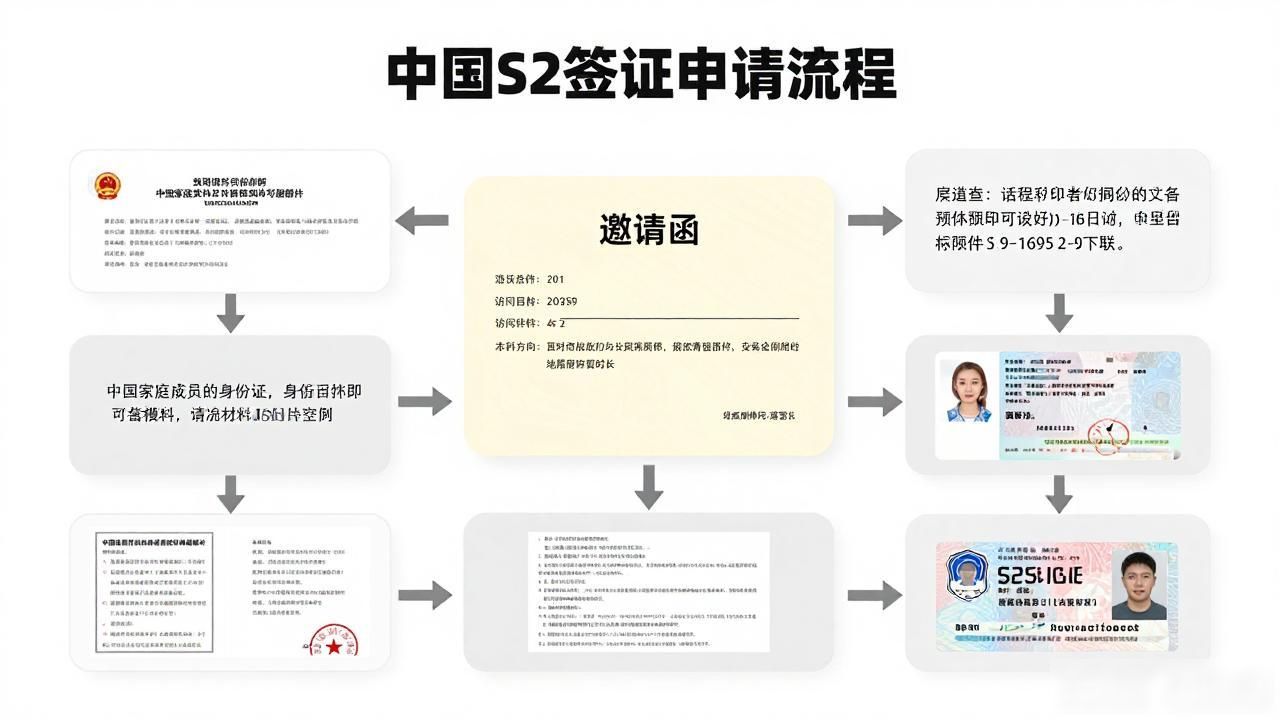
The S2 visa application process involves several key steps that every applicant should understand beforehand. You will need an invitation letter from your family member in China, along with their Chinese ID or residence permit copy. The invitation must clearly state the purpose of visit, the duration, and the relationship between you and your host.
Recent policy adjustments have made things simpler for some applicants. China now accepts electronic invitation letters through its official government portal in many cases. Your family member in China can initiate this process online, which reduces paperwork and processing time significantly. However, requirements vary depending on your nationality and the specific Chinese city where your family resides.
Processing times typically range from four to seven business days for standard applications. Emergency processing is available at additional cost if you need the visa urgently. It is wise to start the application at least three weeks before your intended travel date to account for any unexpected delays or document requests.
Common Mistakes to Avoid

Many applicants make the same errors that can lead to visa rejections or complications. One frequent mistake is underestimating the importance of document authenticity. Your family member must provide original documents, and photocopies alone are generally not accepted. The relationship proof, whether through birth certificates, marriage certificates, or household register records, needs to be properly authenticated.
Another common pitfall is planning an itinerary that does not align with the visa purpose. If your application states you are visiting family, but your flight bookings show hotel reservations instead of staying with your host, immigration officials may question your intentions. Ensure consistency across all your application materials and supporting documents.
Finally, do not assume that visa-free policies apply universally. Each country has different agreements with China, and policies change frequently. Always check the latest requirements on the official Chinese embassy or consulate website in your country before making any travel plans. The information online can sometimes be outdated, so calling the consulate directly is often the safest approach.