
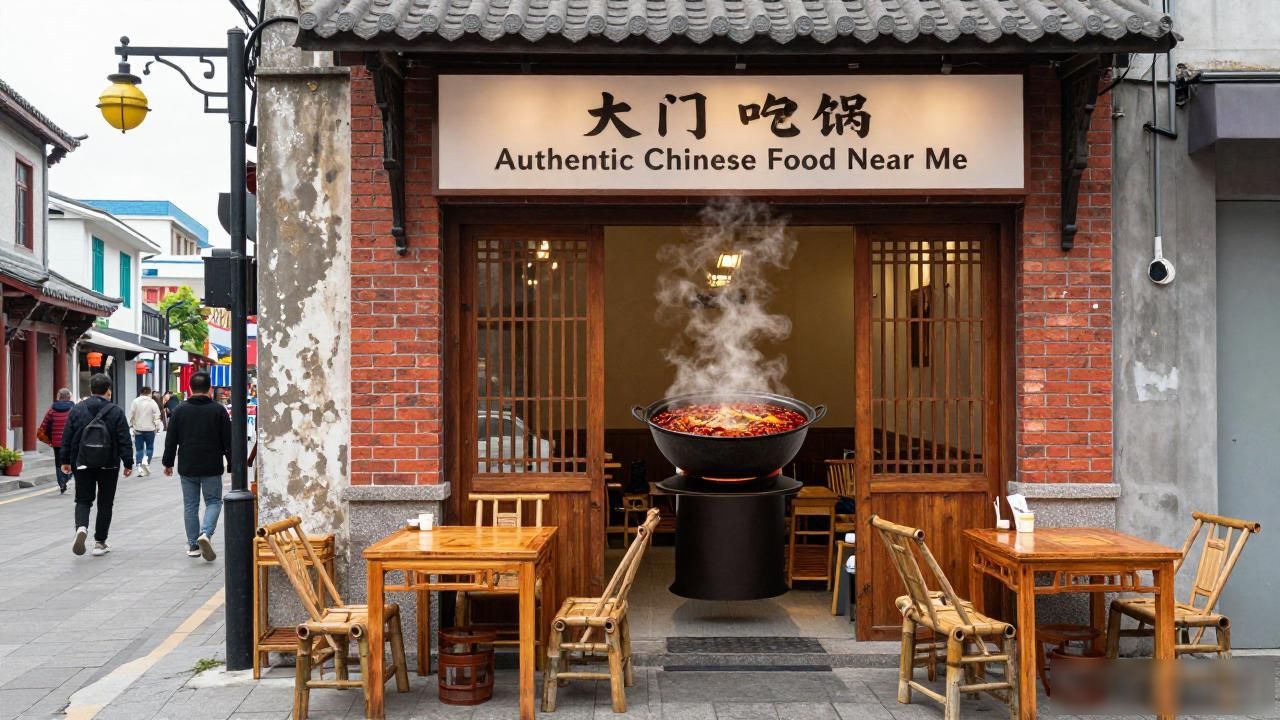
When you step into a Chinese restaurant outside of China, you might wonder if you’re actually getting authentic Chinese food. The truth is, most places serve a watered-down version made for local tastes. But finding the real deal is possible if you know what to look for. I’ve spent years in kitchens across Europe learning what separates ordinary Chinese restaurants from ones that truly honor the cuisine.
What actually makes Chinese food authentic

Authenticity in Chinese cooking comes down to one thing: regional diversity. Most foreigners think Chinese food is just one style, but China has eight major culinary traditions, each with its own techniques, ingredients, and flavor profiles. Sichuan food is all about mala, that numbing spiciness from Sichuan peppercorns. Cantonese cuisine focuses on delicate flavors and fresh seafood. Shandong cooking is heavy on seafood and vinegar. If a restaurant on your street only offers sweet and sour pork and orange chicken, you’re not getting authentic Chinese food. You’re getting an Americanized compromise.
Another key sign is the ingredient list on the menu. Real Chinese restaurants source ingredients specifically for Chinese cooking, like doubanjiang, Shaoxing wine, and black vinegar. You will not find those in a regular supermarket. Chefs who care about authenticity visit Asian grocery stores and import goods directly from China or partner with local distributors who specialize in Chinese products. Watch for menus that include dishes you cannot easily find at any chain restaurant. Things like Mapo tofu, Kung Pao shrimp, or Yangzhou fried rice done right tell you the kitchen knows what it is doing.
Where to find real Chinese cuisine in your city
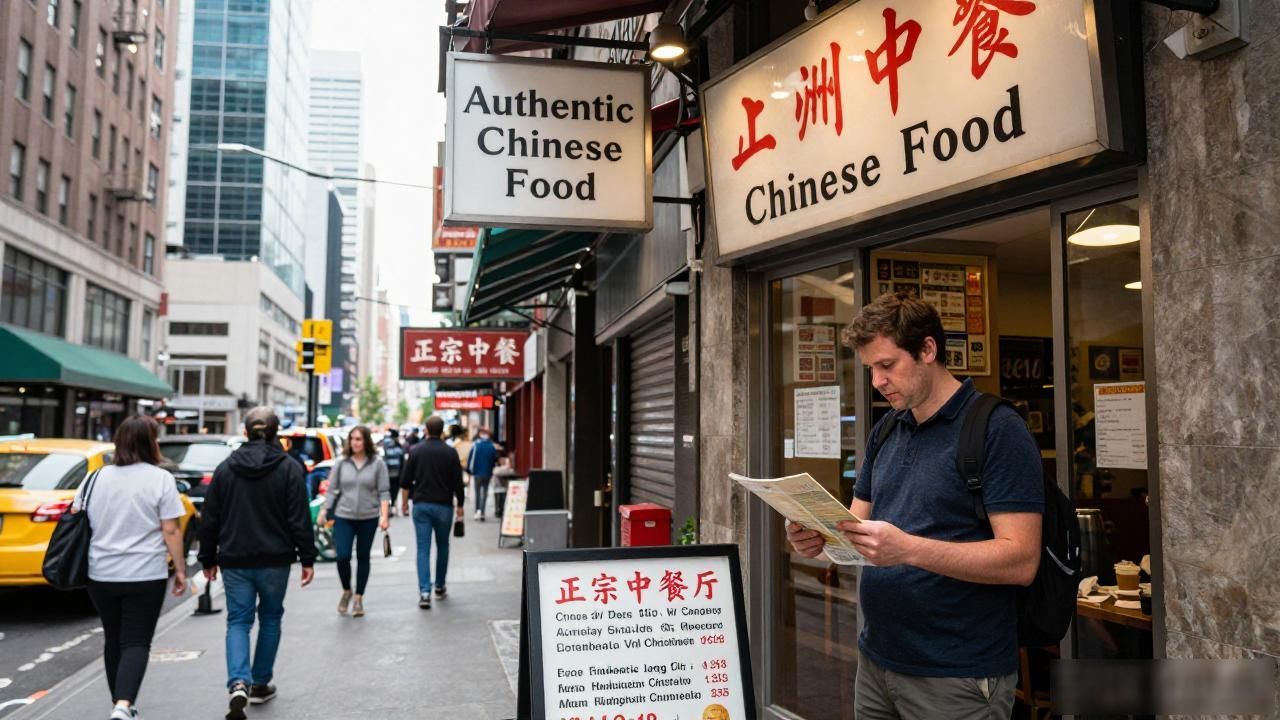
Start by looking at the location. Chinese restaurants in Chinatowns tend to be more authentic than ones in suburban malls. This is not always true, but it is a reliable pattern. Immigrant communities preserve their food culture because they eat there themselves. Families run these kitchens,and recipes get passed down through generations. A small noodle shop in a Chinatown basement might serve better dan dan noodles than a fancy restaurant downtown that claims to be Chinese.
Another trick is checking the crowd. If you walk in during lunchtime and see mostly Chinese speakers ordering, you have found a winner. Regular customers return because the food stays consistent. Tourists come for the photos and leave disappointed when they try something outside the expected comfort zone. Look for restaurants that are busy with locals who clearly know the neighborhood.
Social media can also guide you, but be careful. Some reviewers post flashy photos without tasting the food carefully. Instead, search for videos where people discuss specific dishes and ingredients. Real food lovers talk about the texture of the wok hei, the balance of five-spice powder, and whether the broth was simmered for hours. That is the language of authenticity.