
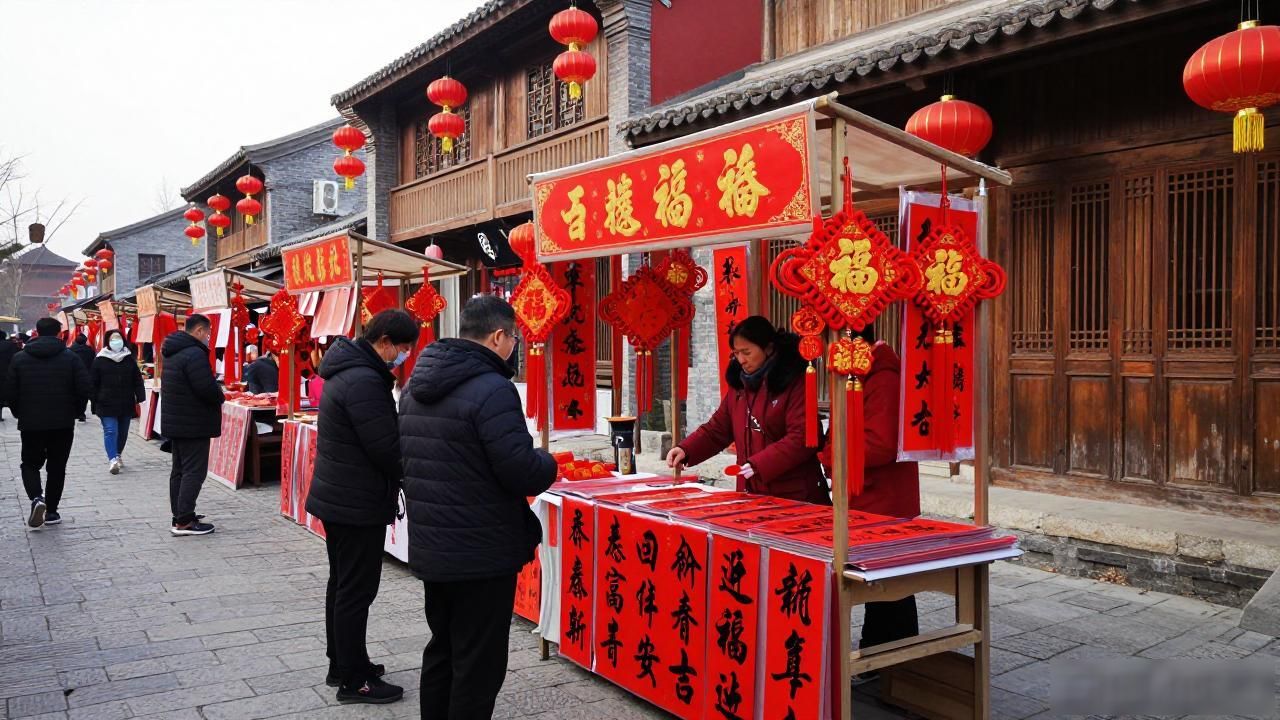
When the Lunar New Year arrives, China transforms into a breathtaking sea of red and gold. If you’ve ever wondered about these eye-catching decorations but felt overwhelmed by their cultural depth, you’re not alone. I’ve spent years living in different cities across China, watching neighborhoods transform during the Spring Festival, and I’ve learned that Chinese New Year decorations carry far more meaning than mere ornamentation. They are living expressions of hope, tradition, and communal joy that have persisted for thousands of years. Let me walk you through the most essential decorations you will encounter.
What Are the Most Popular Chinese New Year Decorations
Red lanterns are undoubtedly the most iconic symbol of Chinese New Year. You will see them hanging on every street corner, outside temples, and in front of homes across the country. These red lanterns symbolize good fortune and prosperity, and their warm glow illuminates the winter nights during the most important festival season. Small ones dangle from shop awnings while enormous lanterns light up public squares and parks.
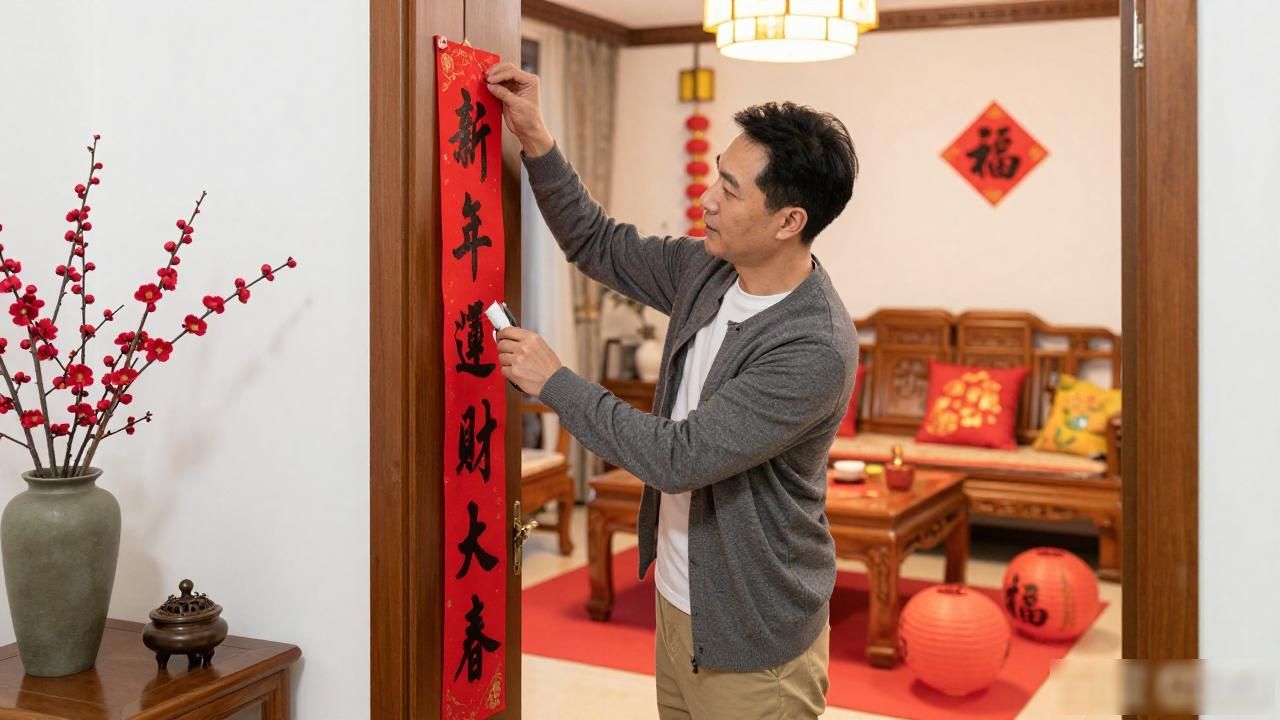
Spring festival couplets, known as chunlian, are another decoration you cannot miss. These are vertical strips of red paper with poetic phrases written in black or gold calligraphy. They are pasted on both sides of doorways. The couplets express wishes for the coming year — things like happiness, wealth, and good health. Many families still write their own couplets, while others purchase beautifully printed versions from local shops.
Another must-have decoration is the Chinese character “Fu,” which means fortune. This character is often displayed on red diamond-shaped papers and hung on doors or walls. Interestingly,some families paste it upside down because the word for upside down sounds identical to the word for arrive in Chinese. This clever linguistic play means “fortune has arrived” when you see it flipped.

How to Properly Display Chinese New Year Decorations
Placement matters significantly in Chinese decorative tradition. Red lanterns are typically hung symmetrically on either side of entrances, symbolizing balance and harmony. Spring couplets belong on the door frame — left and right panels with a horizontal scroll above the doorway called hengpi. For the Fu character, front doors and interior walls are both popular spots. Traditional摆放讲究 reflects deep respect for cultural customs that most first-time celebrants appreciate learning about.
Timing is equally important. Most Chinese households begin decorating around seven to ten days before Chinese New Year’s Eve. In some regions, people start even earlier during the Laba Festival, which occurs about two weeks before the main celebration. It is considered bad luck to leave decorations up past the Lantern Festival on the fifteenth day of the first lunar month, so plan your takedown accordingly.
Where to Buy Authentic Chinese New Year Decorations
If you live outside China, finding quality decorations can be challenging but not impossible. Major Chinatown districts in cities like London, New York, San Francisco, and Vancouver have dedicated streets full of shops selling authentic goods. Online platforms such as AliExpress and Taobao offer remarkably affordable options shipped worldwide. For those who prefer supporting local artisans, many craft markets in Western cities now carry hand-painted lanterns and calligraphy couplets made by Chinese immigrant artists. Quality varies greatly between mass-produced items and handmade pieces, so it pays to invest in better craftsmanship if you want decorations that truly capture the spirit of the festival.