
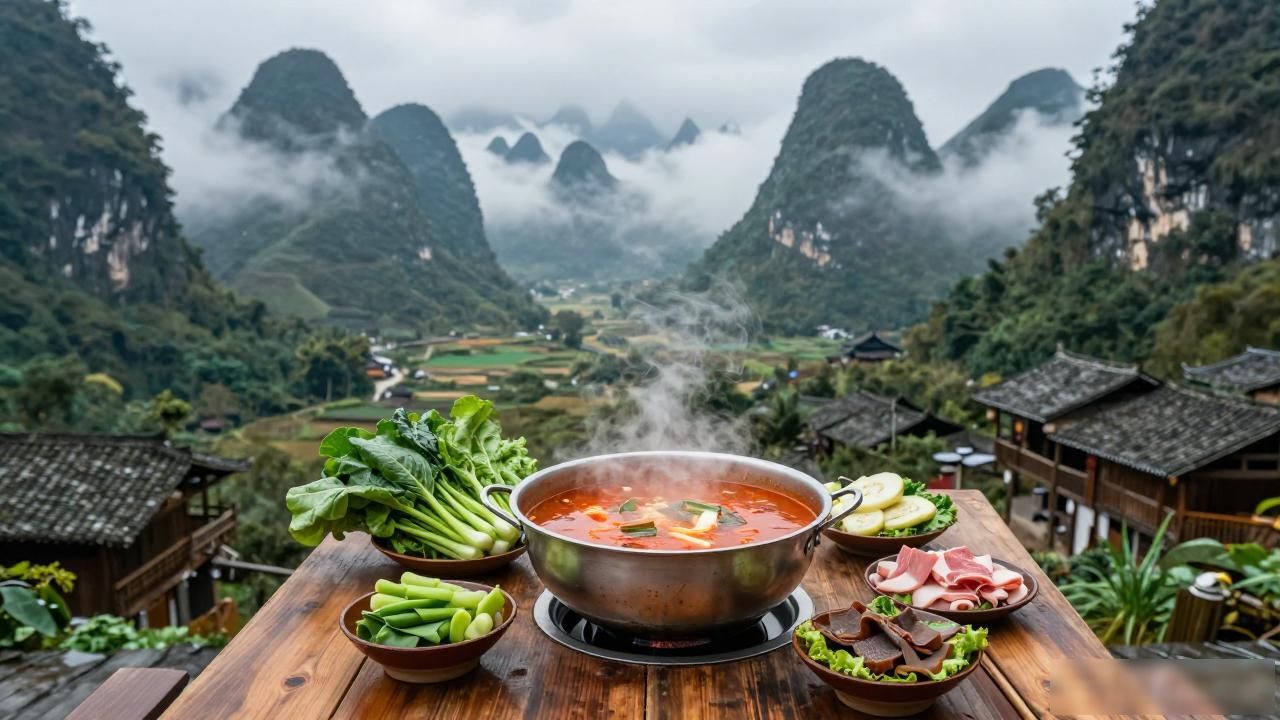
Guiyang is one of those Chinese cities that most travelers skip over on their way to more famous destinations like Shanghai or Guilin. But spending even a couple of days here reveals something genuinely special. The local traditions of Guiyang run deep, shaped by centuries of minority ethnic cultures and a food scene that refuses to play by the rules of typical Chinese regional cuisine. This is not a city built for surface-level tourism. It rewards those willing to step into its wet markets, wander through temple fairs, and sit down at a plastic stool on a crowded street corner.
What Food Is Unique to Guiyang and Where to Find It

Guiyang’s relationship with food is intense in a way that catches visitors off guard. The city sits in a valley surrounded by mountains, and the climate produces ingredients found nowhere else in China. Sour soup, known as suantang, is the backbone of local cooking. It looks unremarkable at first glance — a thin reddish broth with floating herbs — but it carries layers of flavor developed through fermentation that takes weeks. Fish cooked in sour soup is the signature dish here, and every neighborhood has its own version passed down through families. You will find the best bowls in small restaurants with peeling paint and steamed buns stacked near the entrance. These places do not have English menus. No signage, no pretense, just the best meal of your trip.
Street food in Guiyang operates on its own schedule and its own language. Taro cakes, known locally as yangyu ba, are crispy on the outside and soft on the inside, fried in metal skillets by vendors who have been doing it for thirty years. They sell out by early evening, so arriving late means walking home hungry. Siwawa, small rice wraps filled with vegetables and chili paste, comes from another tradition entirely. Vendors arrange colorful ingredients on a counter like a pharmacy display and fold each wrap with practiced speed. Eating on the street in Guiyang means standing shoulder to shoulder with locals who do not care that you are a foreigner. They just care that you are eating.
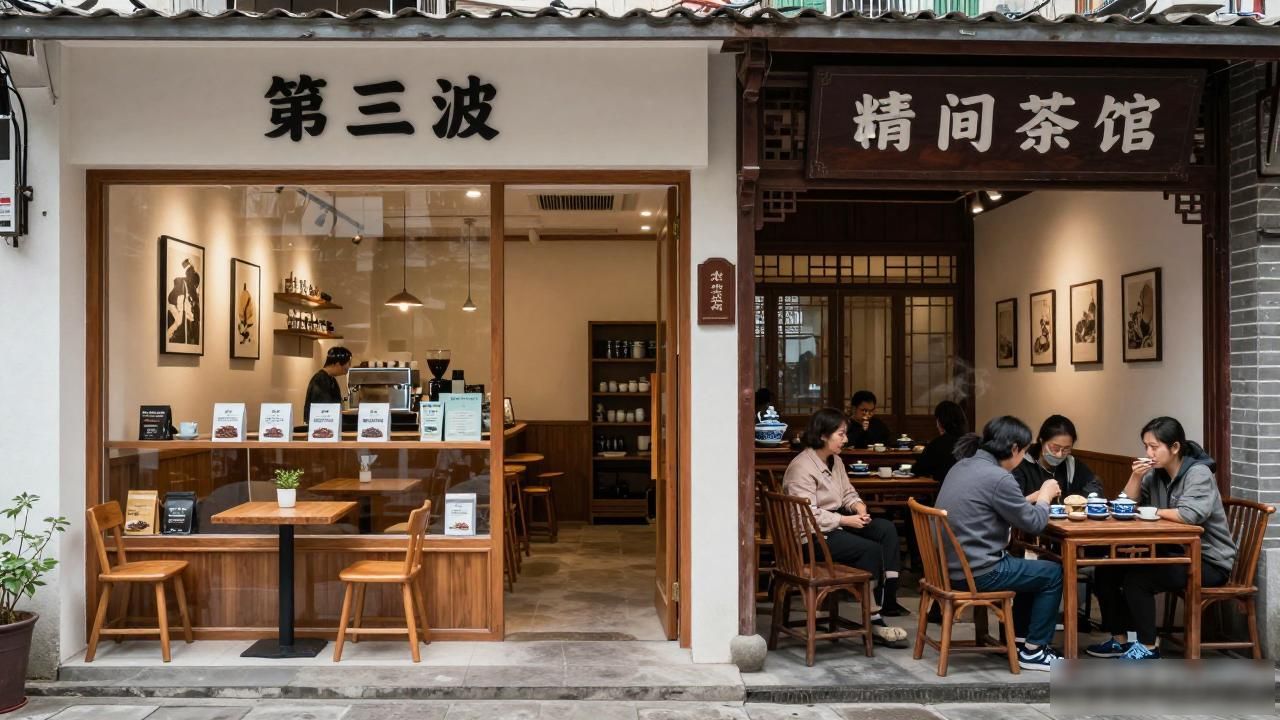
The coffee culture that has emerged in Guiyang recently adds another unexpected layer. Third Wave coffee shops have popped up in renovated residential buildings in the Yunyan district, serving single-origin beans alongside traditional tea houses that have operated since the 1980s. Walking from a steaming pot of jasmine tea into a space where someone is pulling an espresso shot captures something essential about the city. Tradition here does not exclude the new. It absorbs it.
How Do Minority Festivals and Handicrafts Shape Daily Life Here
Guiyang sits at the crossroads of several ethnic groups, and Miao and Bouyei cultures are visible throughout the city rather than tucked away in remote villages. Silver jewelry hangs from display hooks in market stalls. Hand-woven textile patterns appear on cushions and tablecloths in restaurants. The craftsmanship is not staged for tourists. It is made by people who wear these things to weddings and funerals. Visiting a Miao village outside the city on a weekend reveals this more clearly than any museum display ever could. Elders sit on wooden porches染ing wax into fabric using tools unchanged for generations. Younger people run phone repair shops next door. Both traditions coexist without apology.
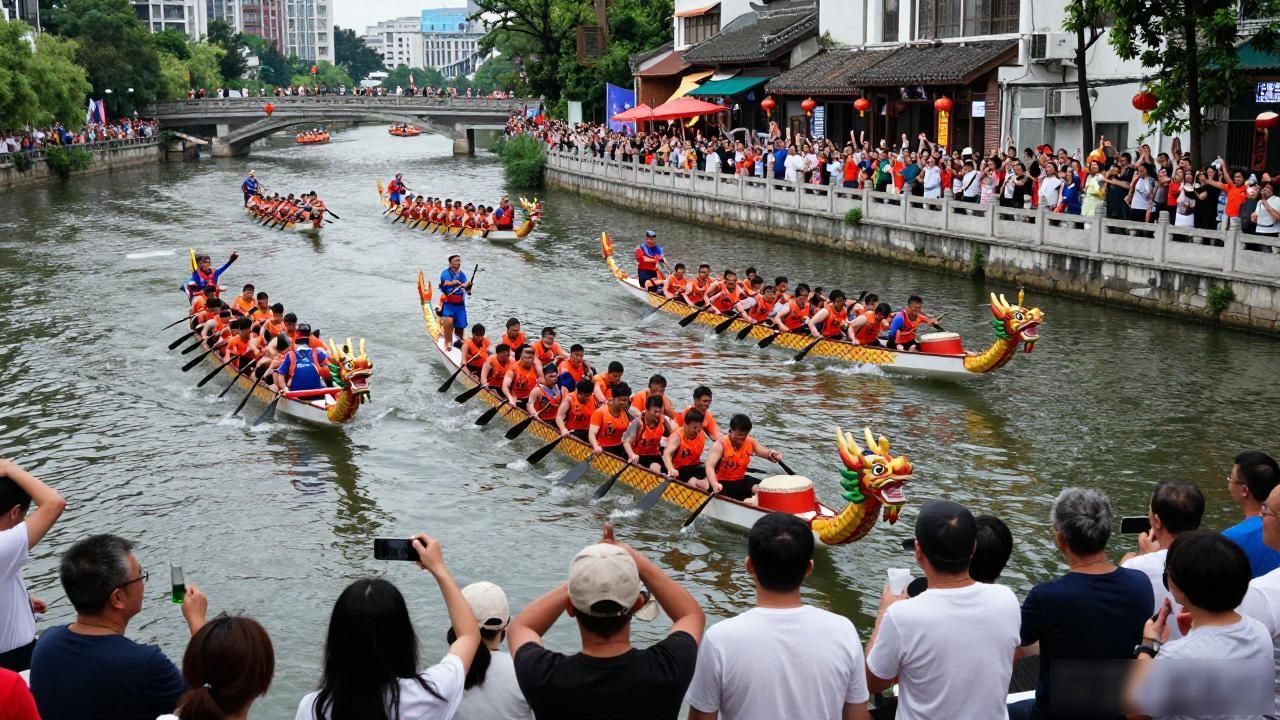
The Dragon Boat Festival brings the city to the banks of the Nanming River each year. Racing teams train for months, and the atmosphere along the water shifts from ordinary riverside walk to something closer to a neighborhood block party. Drums echo across the water. Strangers share bottles of beer. Food stalls set up temporary tables selling grilled skewers and cold noodles. It is loud, messy, and genuinely joyful. This is where you see what community looks like in a Chinese city that most guides never mention.
Evening walks through Huaxi Park show a different rhythm. The park fills up after dinner with people practicing tai chi, square dancing in organized groups,and playing cards at weathered wooden tables. An old man might be reciting classical poetry to a small crowd gathered near the lake. A group of teenagers films short videos on their phones. All of it happens naturally, without any performance quality. The traditions of Guiyang are not locked in history. They breathe through everyday moments that visitors who slow down can easily discover.