
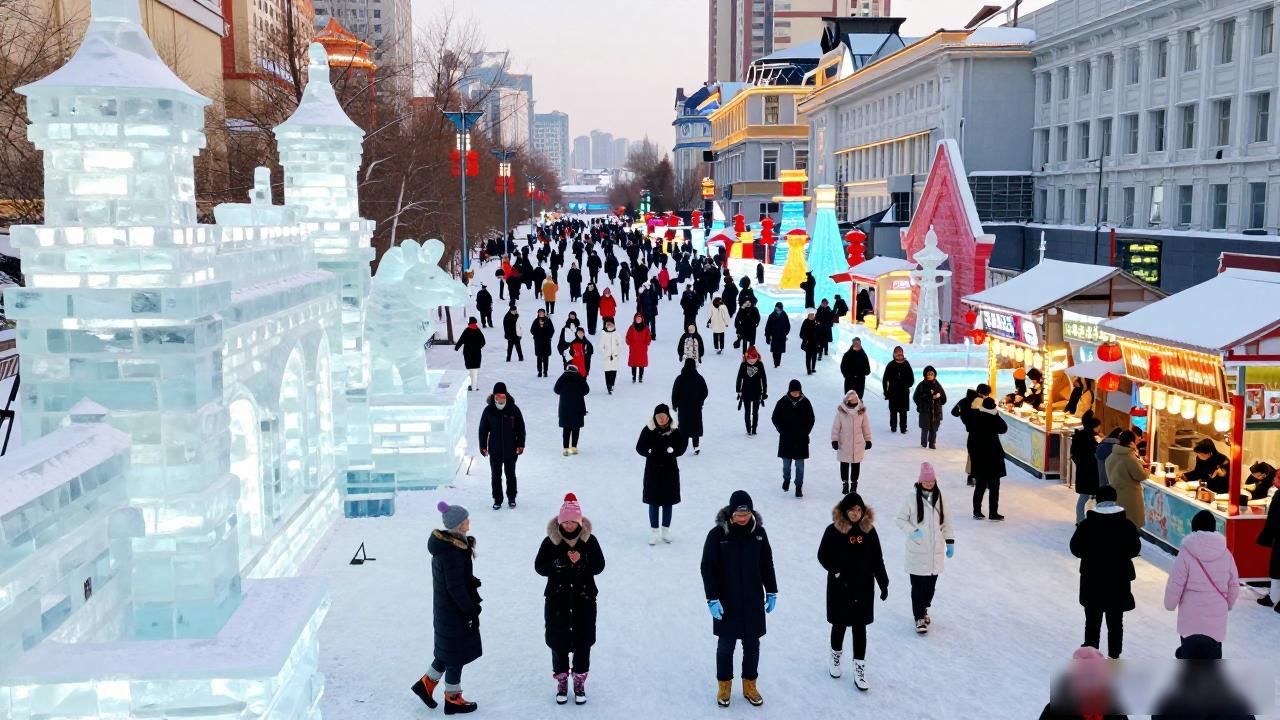
Harbin is a city like no other in China. Nestled along the Songhua River near the Russian border, it carries a distinctive flavor shaped by decades of cross-cultural exchange. Stepping into Harbin feels like traveling halfway to Europe without leaving Asia. The architectural skyline is dotted with onion domes and baroque facades, while the locals speak with a cadence all their own. For foreign travelers, this northern Chinese gem offers winter wonderlands, historic streets,and some of the most unforgettable food experiences on the continent. This guide breaks down everything you need to know before packing your bags.
What Is The Best Time To Visit Harbin?
The single most important factor when planning your Harbin trip is the season. Winter dominates every conversation about this city, and for good reason. From late November through February, temperatures regularly plunge below minus 20 degrees Celsius. Snow blankets the streets, the Songhua River freezes solid, and the Harbin Ice and Snow Festival transforms the entire city into an otherworldly landscape of sculpted ice castles and glowing sculptures.
Summer offers a completely different experience. July and August bring warm temperatures in the high 20s, making it ideal for exploring outdoor sites like Sun Island Park. September and October are quietly pleasant too, with golden autumns painting the trees and fewer tourists crowding the streets.

If this is your first time here, aim for January. That is when the city truly comes alive, and the festivalgrounds stretch across multiple districts. Just prepare for cold that most visitors do not expect.
What Are The Must-See Attractions In Harbin?
Central Street, or Zhongyang Dajie, should be at the top of every itinerary. This kilometer-long pedestrian thoroughfare is lined with preserved European buildings from the early twentieth century. Cobblestones underfoot, street musicians playing accordions, and the smell of freshly baked Russian bread create an atmosphere you simply cannot replicate anywhere else in China.
Saint Sophia Church sits just off the main drag and draws crowds for good reason. Its massive green onion dome rises above the surrounding plaza, creating one of the most photographed spots in the city. Come at dusk for the softest light and the best crowd-free moments.
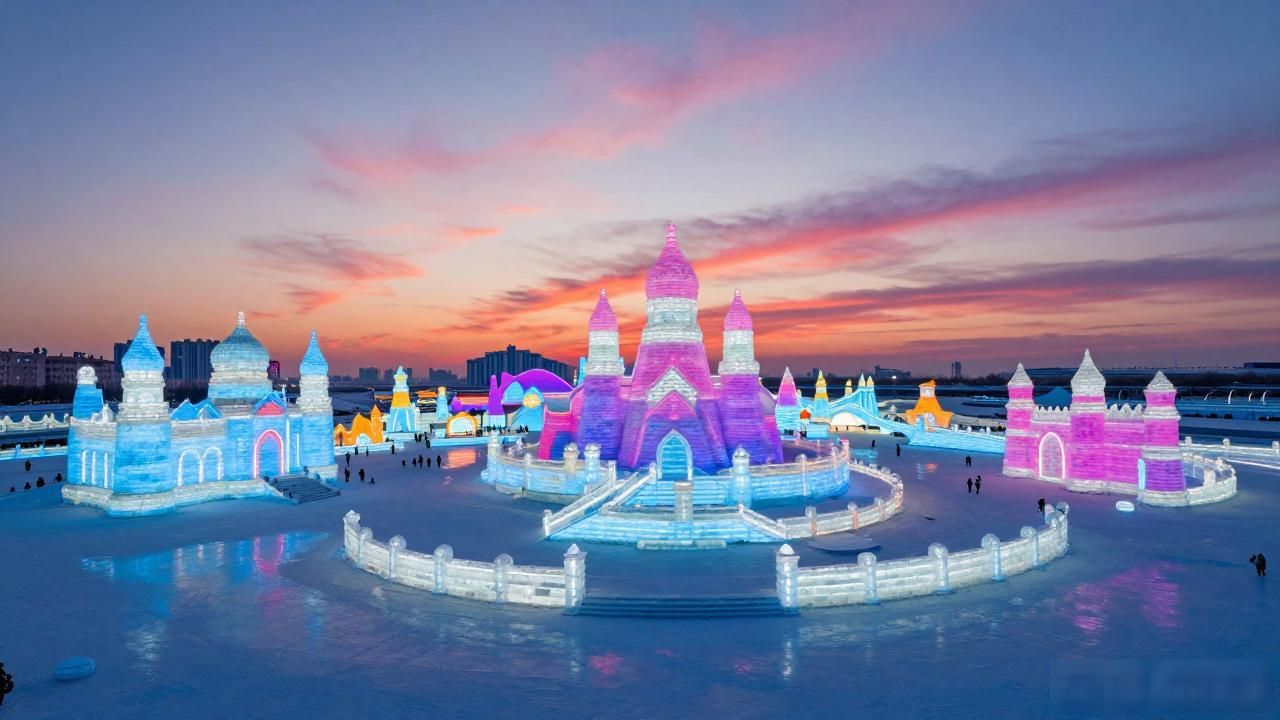
Don’t skip the Harbin Ice and Snow World, the massive festival grounds that appear each winter along the frozen Songhua River. Thousands of ice blocks are transported here and carved into breathtaking structures that glow with colored lights after sunset. The scale is almost incomprehensible until you walk through it yourself.
For something quieter, head to the old district of Daowai. Here you will find the Chinese Baroque style, a unique architectural fusion built by early Chinese merchants who returned from overseas. The facades look like a blend between Shanghai and Vienna, and the area still holds small family-run restaurants serving hearty Northeastern dishes.
How Should You Plan Your Harbin Trip?
Accommodation-wise, staying near Central Street or Daoli District gives you the easiest access to the major sights. Hotels range from international chains to boutique guesthouses, but during peak winter season bookings fill up months in advance.
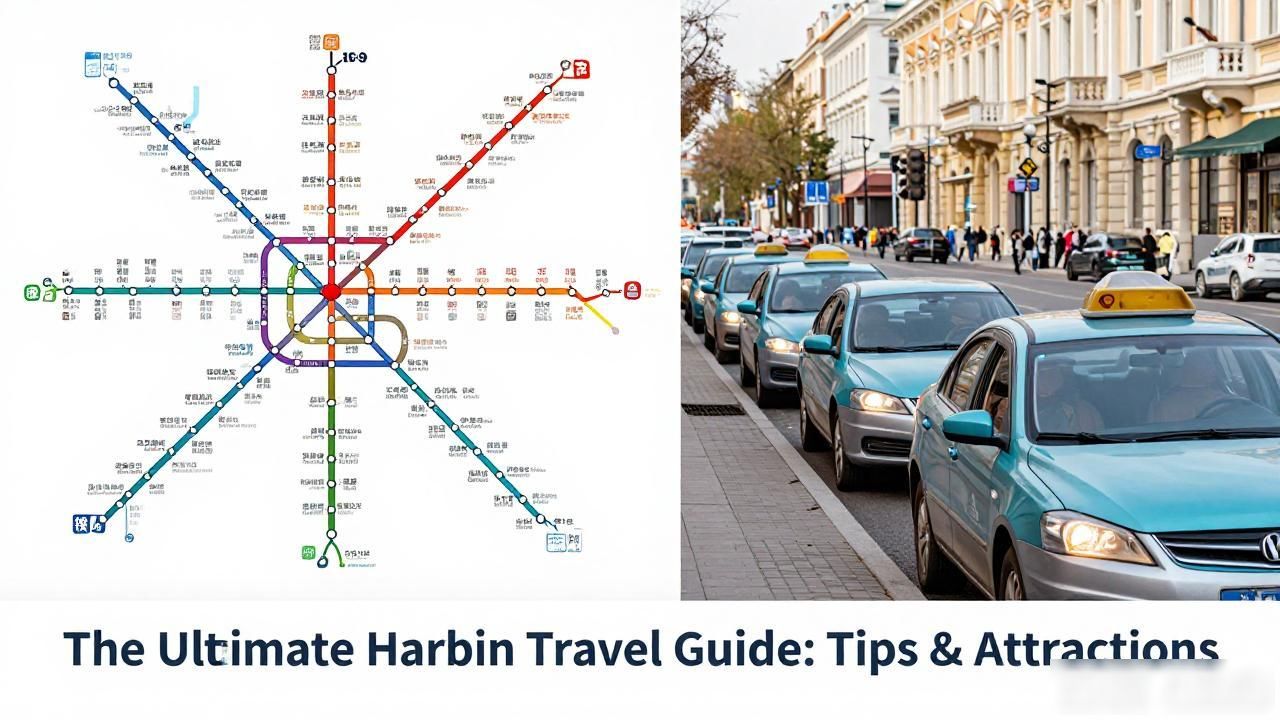
Transport within the city is straightforward. The metro system covers the key areas, and taxis are inexpensive. If you venture to Acheng for the Northern Great Cliff Buddha carvings, a taxi or tour bus will be necessary since the site sits outside the urban core.
Dress in layers and prioritize thermal gear if you visit between November and March. Fleece pants, a down jacket, wool gloves, and quality insulated boots will make the difference between discomfort and enjoyment. Hand warmers are widely available at convenience stores and worth buying in bulk.
Food is where Harbin rewards the adventurous. Try the local sausage at Hongbolin Food Street, sample the iron pot stews served in clay pots, and never leave without tasting a Harbin beer brewed since 1900. The dining scene blends Russian, Chinese, and Korean influences in ways that feel refreshingly original.
Harbin may not sit on the typical China itinerary, and that is exactly what makes it worth visiting. It is a city that surprises, challenges your expectations, and leaves you with stories most travelers never get to tell. Come for the ice, stay for the character, and let this northern border city rewrite what you thought you knew about China.