
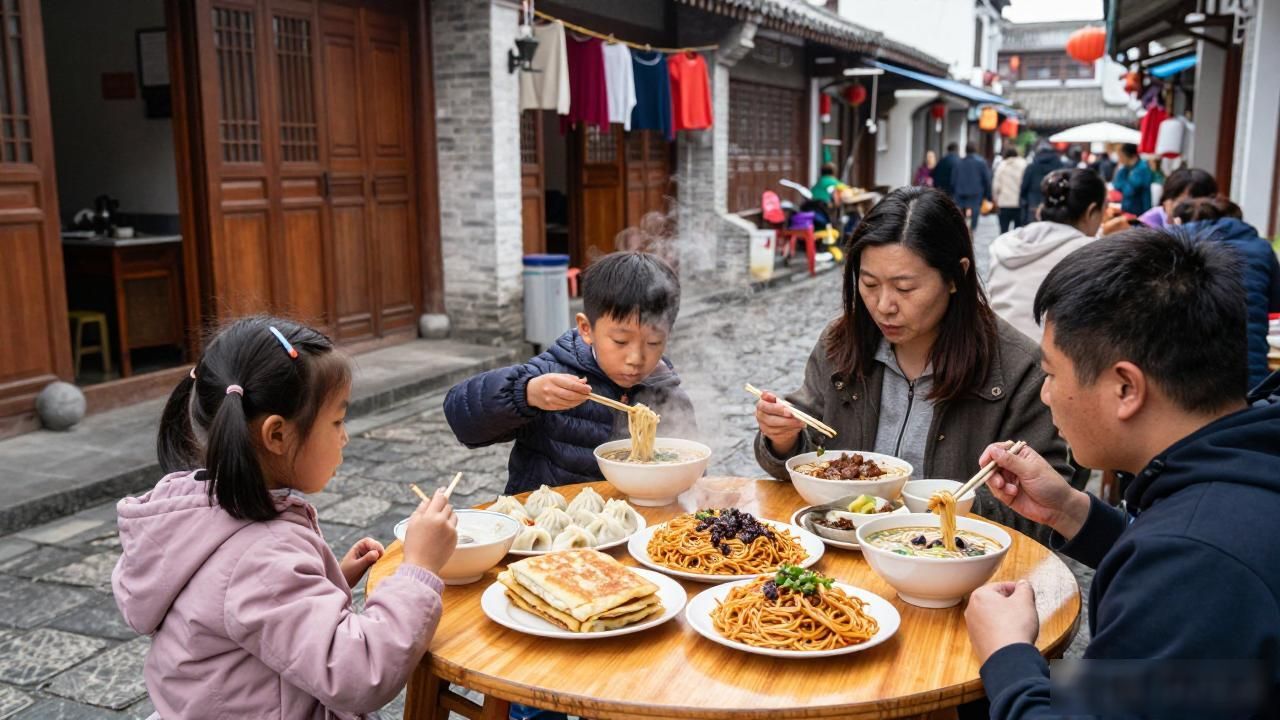
Planning a family vacation to China might feel overwhelming when it comes to money, but the truth is it is far more affordable than many travelers assume. A family of four can comfortably experience the highlights of China on a moderate budget between one hundred fifty and three hundred US dollars per day, not including international flights. That number covers accommodation, meals, local transport, and attraction tickets. Understanding where your money actually goes is the first step toward a smooth trip.
What Can a Family Expect to Spend per Day in China
Accommodation is usually the single biggest expense. A decent three-star hotel room in cities like Beijing or Shanghai runs roughly eighty to one fifty dollars per night, often with an extra bed or connecting rooms available for families. Second tier cities such as Chengdu, Xi’an, or Hangzhou tend to sit on the lower end of that range. Vacation rental apartments via platforms like Airbnb have become increasingly popular among families because they offer kitchen facilities and more living space at competitive prices.

Food costs vary widely depending on your choices. Street food and local noodle shops are incredibly inexpensive, with a filling meal often costing between five and fifteen dollars per person. Mid-range restaurants charge roughly twenty to forty dollars per person for a decent dinner. Western-style restaurants and hotel dining can double those prices quickly. Bringing snacks and packing a reusable water bottle makes a noticeable difference over the course of a week-long trip.
Transportation within China is actually quite affordable once you understand the system. High-speed trains connect major cities efficiently, and a second class seat for a four-hour journey costs around thirty to sixty dollars per person. Domestic flights between distant cities like Beijing and Guangzhou range from eighty to two hundred dollars round trip if booked in advance. Metro systems in large cities are clean, English-friendly, and cost just a couple of dollars per ride.
Where Families Can Cut Costs Without Losing the Experience
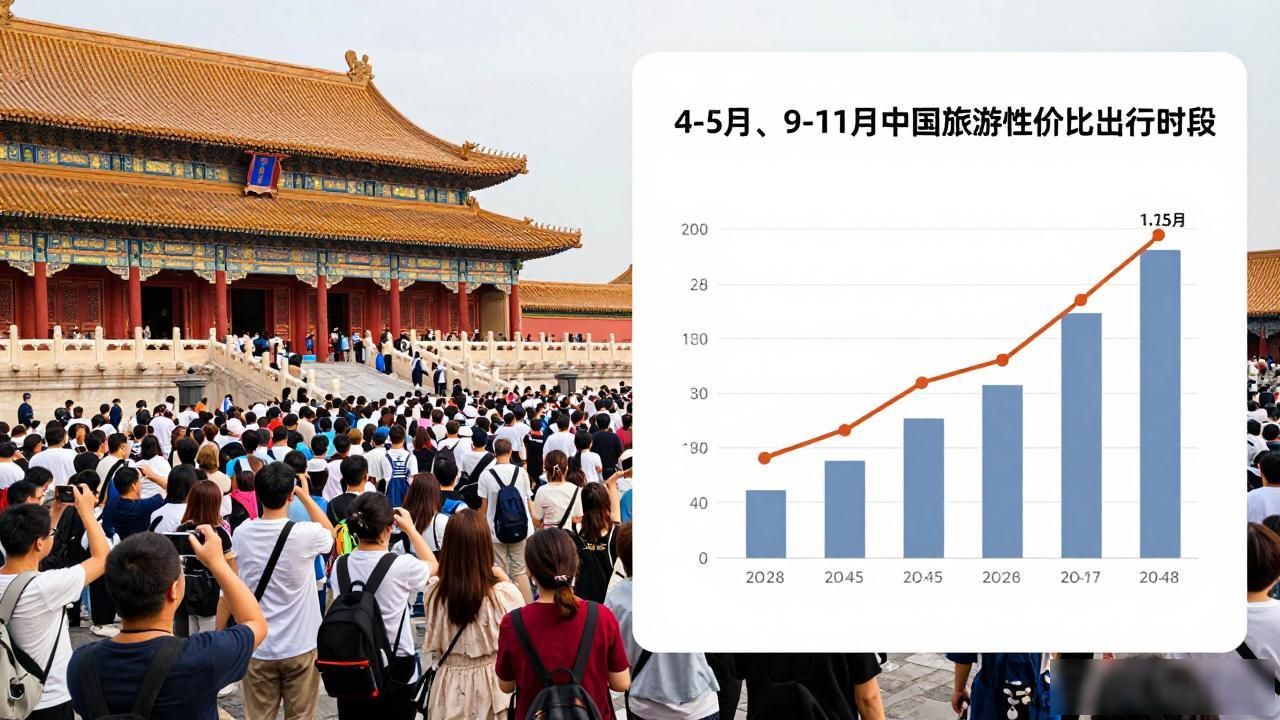
Timing your visit carefully can save a substantial amount. Peak travel seasons in China include the golden week holidays in early October and Chinese New Year,when prices spike and crowds become overwhelming. April through May and September through early November offer pleasant weather and noticeably lower rates on both flights and hotels. Even shifting your travel by just a few weeks outside those peak windows can reduce total costs by twenty to thirty percent.
Regional choices matter enormously for budget purposes. Provinces in central and western China are generally far cheaper than the coastal megacities. A family exploring Yunnan province, for instance, will find excellent local cuisine, stunning landscapes, and comfortable lodging at prices that would seem unheard of in Shanghai. Prioritizing smaller cultural cities alongside one or two major hubs gives children a richer experience while keeping daily spending manageable.
Booking domestic transport and attraction tickets ahead of time through official platforms or reputable travel apps often unlocks discounts of ten to twenty percent. Many museums and historical sites offer free admission to children under certain ages, and some cities provide family bundle tickets that cover multiple attractions at a reduced rate. Planning your itinerary around these savings opportunities can meaningfully stretch your budget without sacrificing the quality of experiences.
Realistic Budget Breakdown for a Typical One Week Family Trip
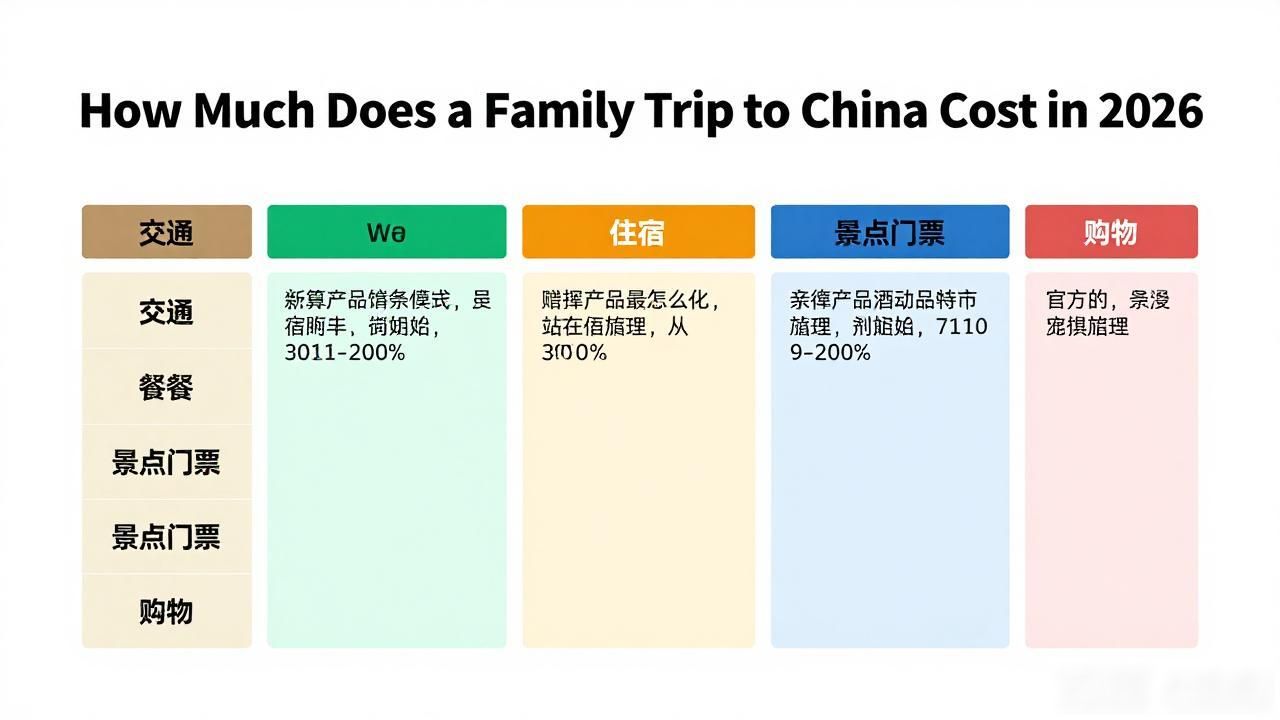
A family of four spending one week in China across two cities might expect a total trip cost of around two thousand to three thousand five hundred US dollars excluding international airfare. Breaking that down, domestic flights or high-speed rail between cities accounts for roughly four hundred to seven hundred dollars. Accommodation for six nights ranges from six hundred to one thousand two hundred dollars depending on location and comfort level.
Meals, local transport, attraction tickets, and miscellaneous spending typically add another six hundred to one thousand dollars. Shopping, premium dining experiences, and guided tours can push that higher, but careful planning keeps the baseline firmly within reach. The takeaway is straightforward: China rewards families who do a modest amount of research before departure, and the memories your children collect along the way will be worth every dollar spent.