

China is one of the most visited countries in the world, welcoming over 60 million international arrivals each year before the pandemic. Yet for many Western travelers, the question remains: is China safe? The short answer is yes. But the longer answer requires understanding what safety actually looks like in a country of 1.4 billion people with its own cultural norms, legal systems, and everyday rhythms. This article draws from years of on-the-ground experience across Chinese cities to give you a realistic picture.
Is China Safe for Foreign Tourists?
Violent crime against foreigners in China is exceptionally rare. Street harassment, muggings, and random attacks—problems that dominate safety conversations in many other tourist destinations—are not part of the typical experience. The government maintains visible police presence in all major cities, and CCTV surveillance covers almost every public space. This creates an environment where overt criminal behavior is quickly detected and deterred.
Petty theft is the most common concern, and it exists mainly in crowded tourist areas and on overnight trains. Pickpocketing incidents tend to cluster around places like Qinghai Lake during peak season or the Beijing subway during rush hour. Basic precautions—keeping wallets in front pockets, using hotel safes, and not leaving phones on café tables—eliminate most risk.

Transportation is remarkably safe. China’s high-speed rail network, the world’s largest, has an outstanding safety record with virtually no fatalities in decades of operation. Domestic flights follow strict International Civil Aviation Organization standards. Taxis and ride-hailing apps like DiDi are regulated and well-maintained.
Food safety deserves a separate mention. Street food in tourist zones is generally safe,but travelers with sensitive stomachs often benefit from choosing busy establishments where turnover is high. Bottled water is cheap and widely available; tap water is not potable.
What Should You Expect at Immigration and Customs?
Getting into China involves a straightforward but sometimes nerve-wracking immigration process. Border officers may ask about your itinerary, accommodation details, and purpose of visit. Carry printed hotel reservations and return flight confirmations. Answer questions calmly and honestly—there is no advantage to hesitation or vagueness.
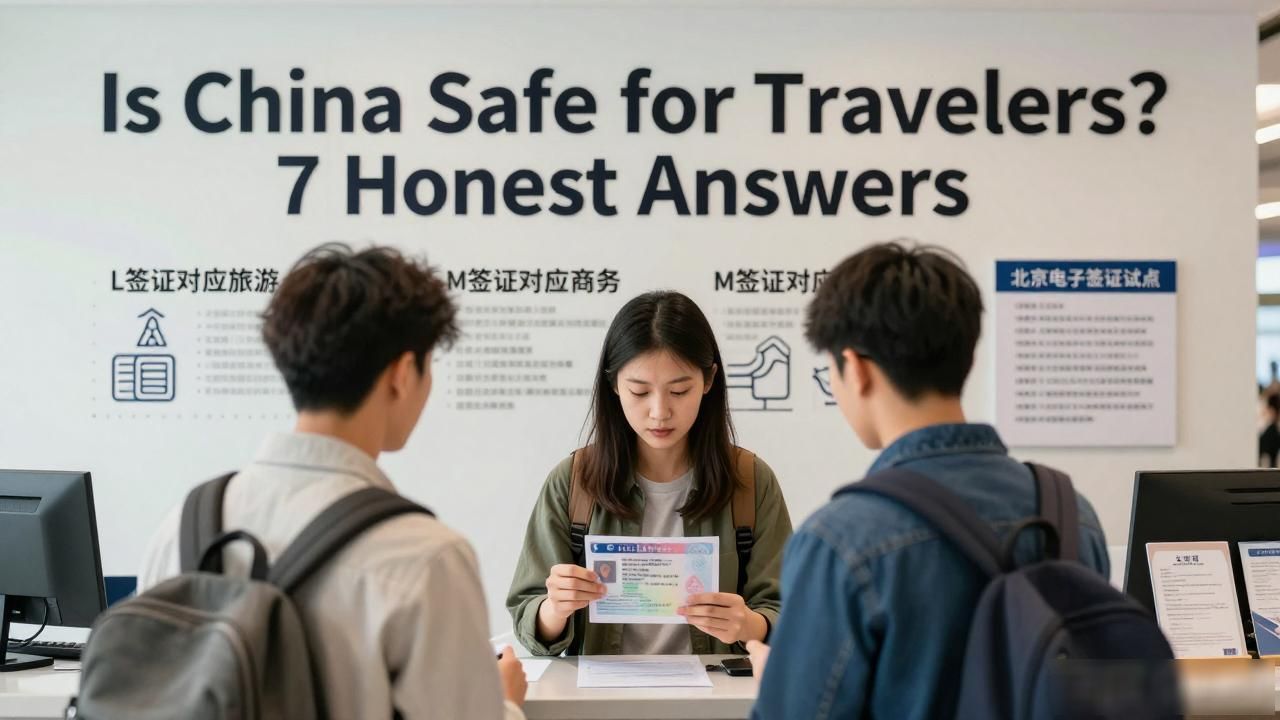
Visa requirements vary by nationality. Most Western passport holders need a visa obtained through a Chinese embassy or consulate before travel. The L visa covers tourism, while the M visa is for business visitors. Recent e-visa pilots in cities like Shanghai and Beijing have simplified entry for eligible travelers, though the traditional embassy route remains standard.
Customs inspection is routine but generally lenient for tourists. Declare any electronics worth more than 5,000 yuan if asked. Prohibited items include drugs, counterfeit goods, and certain agricultural products. The vast majority of travelers pass through customs without any issues in under ten minutes.
Where Should Travelers Stay and What Emergencies Look Like?
Accommodation in China ranges from international hotel chains to budget hostels, and all tier cities maintain solid safety standards. Three-star hotels and above employ 24-hour security, electronic key cards, and often in-room safes. Independent guesthouses in rural areas operate safely but may lack English-speaking staff.
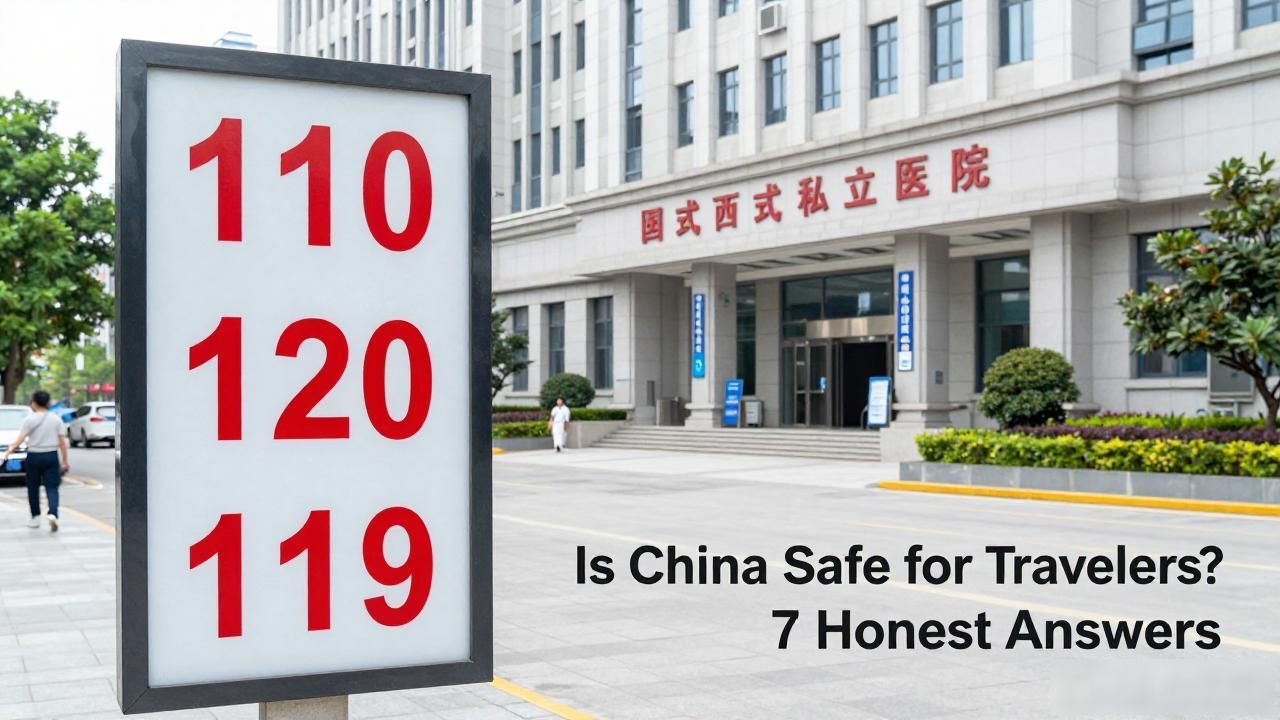
Emergency numbers in China differ from those in Western countries. Dial 110 for police, 120 for medical emergencies, and 119 for fire. Most hotel front desks can make these calls and will accompany you to hospitals if needed. Private hospitals in major cities like Shanghai and Beijing offer Western-standard care with English-speaking doctors, though costs are higher.
Travel insurance is strongly recommended. Medical treatment for foreigners can be expensive without coverage. Comprehensive policies that include hospital cash advances and medical evacuation make a significant difference in serious situations.
China’s safety profile is among the best for international travelers in Asia. Understanding the realities—petty theft risks, immigration procedures, healthcare options—removes uncertainty and lets you focus on what matters: exploring one of the world’s oldest and most fascinating civilizations with confidence.