
Immersing Yourself in China‘s Living Traditions
Cultural travel in China opens doors to thousands of years of continuous civilization, but the real treasure lies not in famous monuments alone. It lives in the small villages where centuries-old craft techniques are still passed from hand to hand, in the morning markets where elders gather for tai chi practice, and in local homes where hospitality is an art form itself. Understanding this distinction transforms your journey from sightseeing into something far more meaningful.

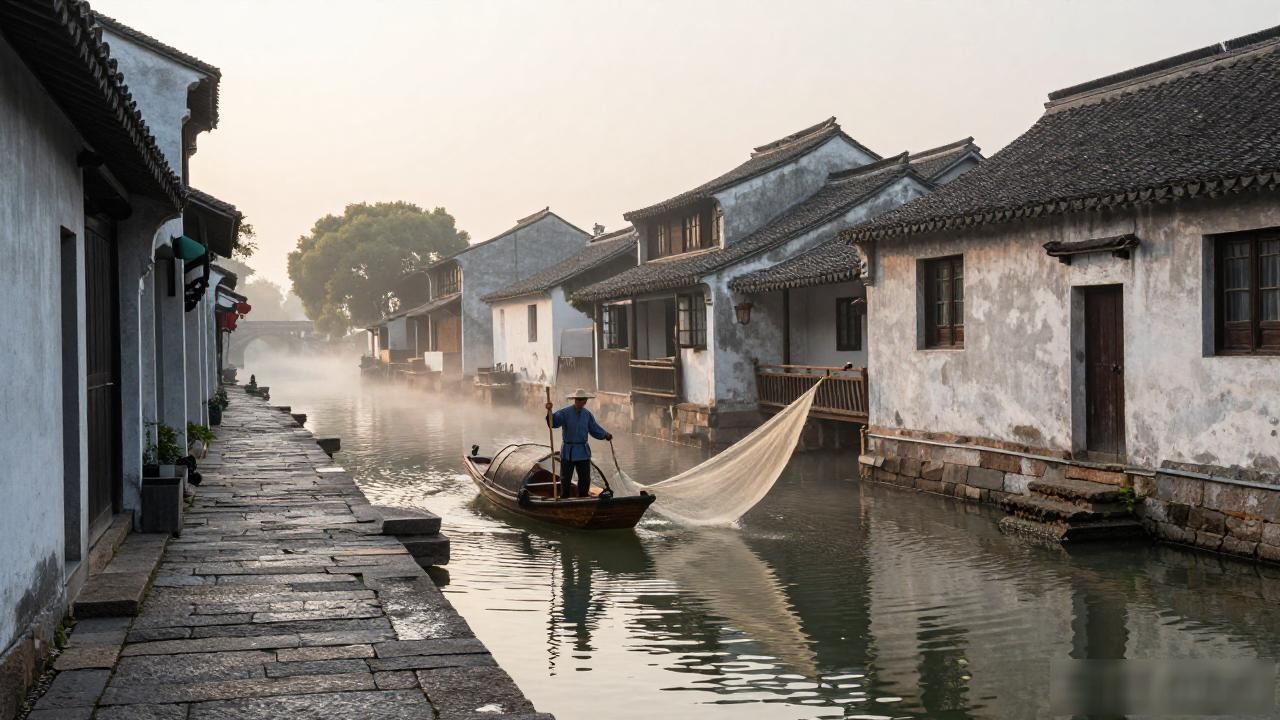
The best cultural experiences often hide outside the well-worn paths. Wandering through the ancient alleys of Zhujiajiao water town near Shanghai at dawn gives you a completely different picture than visiting during peak hours. The canals reflect waking mist, fishermen cast their nets in quiet rhythm, and old women sweep cobblestone steps as if time moves differently here. This is the China that guidebooks barely mention.
Yunnan province deserves special attention for cultural depth. Home to dozens of ethnic minorities,each maintaining distinct customs, clothing, and agricultural practices, this southwestern region feels almost like stepping into another world. A village festival in Shaxi ancient town or a homestay with the Naxi people in Lijiang will teach you more about Chinese cultural diversity than any museum could.
Creating Genuine Connections with Local Communities
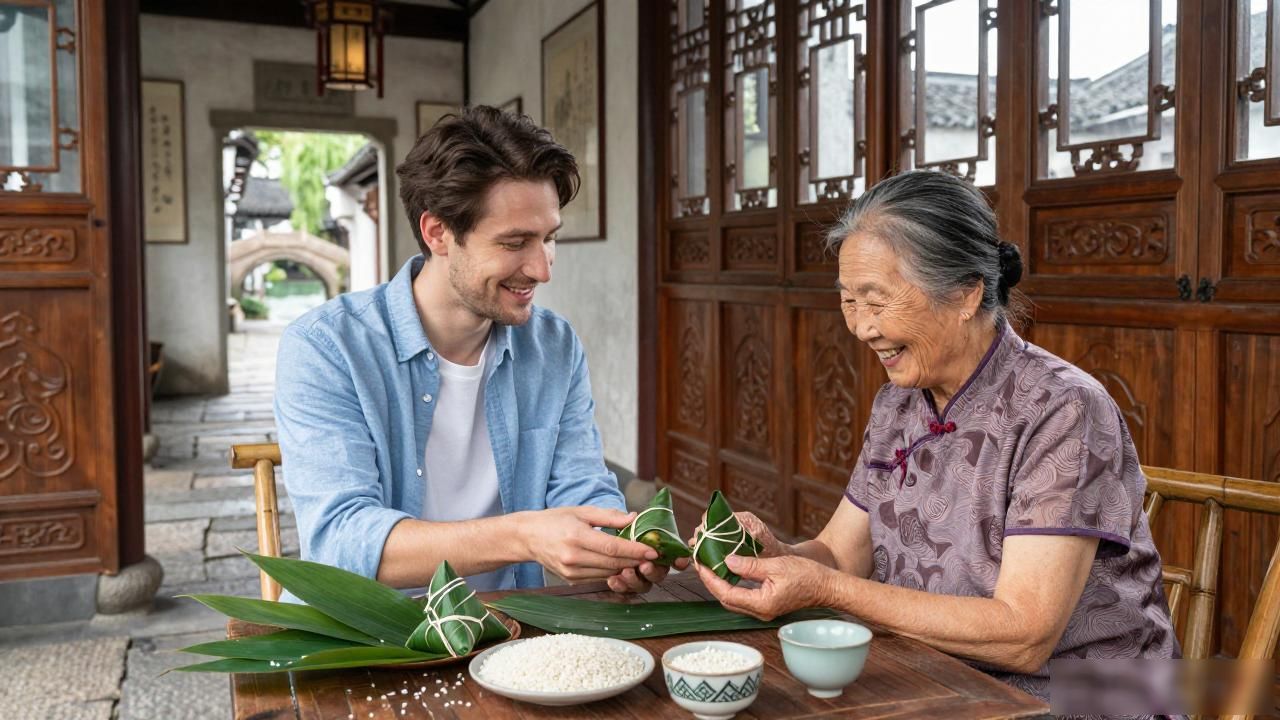
Learning even basic Mandarin phrases changes everything. Locals respond warmly to foreigners who make the effort, and these small gestures open doors that money simply cannot. A simple greeting at a street food stall, a thank you after a short conversation, or asking about someone’s family — these moments build bridges across cultures faster than any structured tour ever could.
Culinary experiences offer one of the most direct windows into Chinese culture. Food carries history, geography, and philosophy in every dish. Instead of heading straight for Western-favorite Sichuan restaurants in major cities, venture into neighborhood dumpling houses where grandmothers fold hundreds of wontons each morning. Order whatever the locals are eating. Ask questions. You might find yourself sitting at a corner table with a family that shares stories spanning generations.
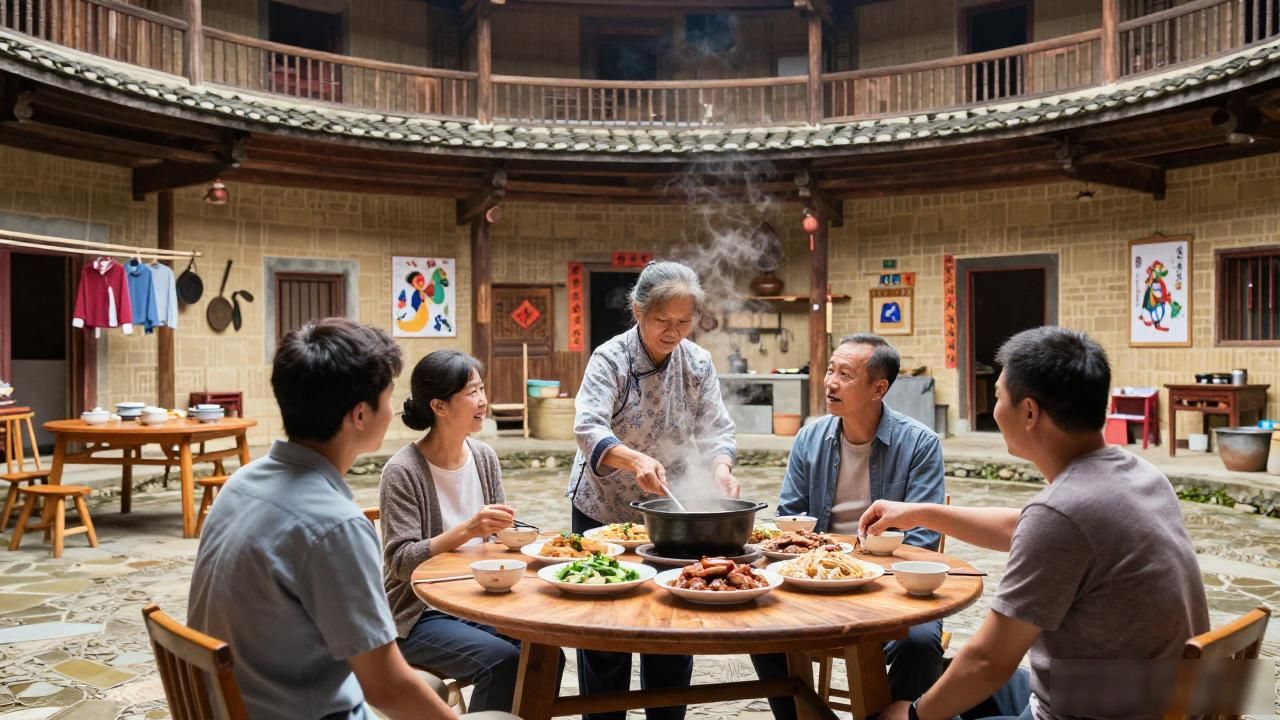
Homestays in rural areas represent perhaps the single most impactful choice for cultural travelers. Staying with a family in a Fujian tulou building or a Shaanxi cave dwelling forces you off the beaten path and into daily Chinese life. Meals are home-cooked, conversations are unfiltered, and memories formed over shared meals last far longer than any souvenir. The relationships you build during these stays often become lifelong connections.
Don’t rush. Chinese culture rewards patience and slowness. A city like Quanzhou on China’s southeast coast still preserves traces of ancient maritime trade routes, Buddhist temples alongside mosques, and a cosmopolitan spirit dating back over a thousand years. But it reveals these layers only to visitors willing to stroll its streets without a ticking clock in mind.