
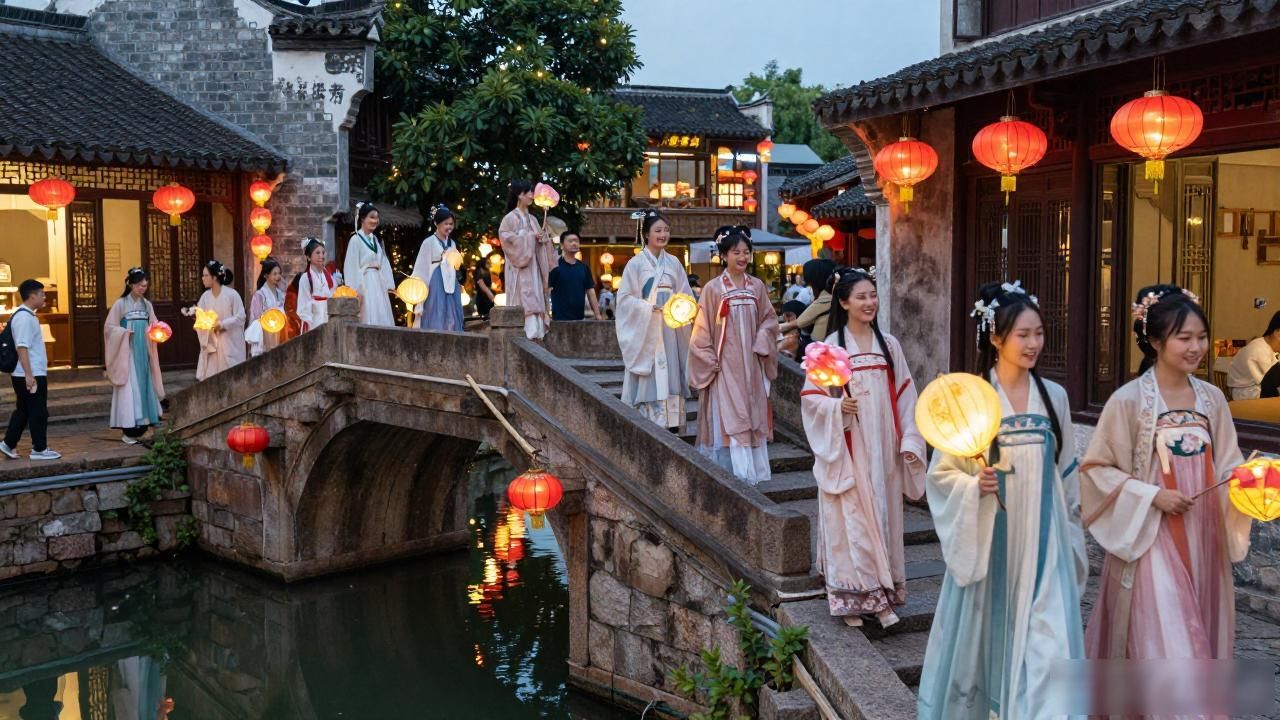
There is something truly magical about walking through ancient stone alleys while drums echo off thousand-year-old walls. Old town festivals in China offer travelers an authentic window into centuries of tradition that still pulse through daily life. These celebrations are not staged performances for tourists—they are living cultural heritage passed down through generations. From the southern coastal towns to the misty mountain villages of Yunnan, every region paints its own vibrant picture of Chinese heritage.
When do most old town festivals happen in China
The Spring Festival remains the single most significant celebration across all Chinese old towns, though it manifests differently depending on location. In Pingyao, Shanxi Province, the ancient city walls become a spectacular backdrop for lantern displays stretching along every brick pathway. Locals dress in traditional hanfu costumes, and the entire town transforms into an open-air museum of Ming and Qing dynasty customs. Fireworks paint the night sky while families perform ancestral worship rituals in courtyard temples.
The Dragon Boat Festival in June brings its own energy to water towns like Wuzhen and Xitang in Zhejiang. Races along narrow canals draw thousands of spectators, while vendors sell zongzi—sticky rice dumplings wrapped in bamboo leaves. The atmosphere feels more relaxed than Spring Festival,with a strong emphasis on community participation and local food culture.
Mid-Autumn Festival around September and October offers another compelling visit. Old towns across China host moon-viewing gatherings, tea ceremonies, and poetry recitals. Hangzhou’s West Lake area and Chengdu’s Jinli Street become especially atmospheric during this time. Lantern displays become even more elaborate than during Spring Festival in certain towns, with artisans spending months crafting elaborate scenes from silk and wire.

What makes ancient Chinese town festivals unique for visitors
Cultural authenticity sets these celebrations apart from anything found in major cities. In Lijiang, Yunnan, the Naxi ethnic minority preserves musical traditions dating back over eight hundred years. During their traditional festivals, musicians play instruments that predate modern Chinese orchestral arrangements. Foreign visitors often describe these experiences as deeply moving because the music carries genuine historical weight rather than entertainment value.
Food plays an enormous role in old town festival culture. Each region specializes in seasonal dishes prepared specifically for celebrations. In Quanzhou, Fujian, temple fair food stalls line streets for days, serving local specialties like oyster omelets and tofu pudding. The scent of roasting meats and steaming buns fills the air, creating an sensory experience that no restaurant could replicate.
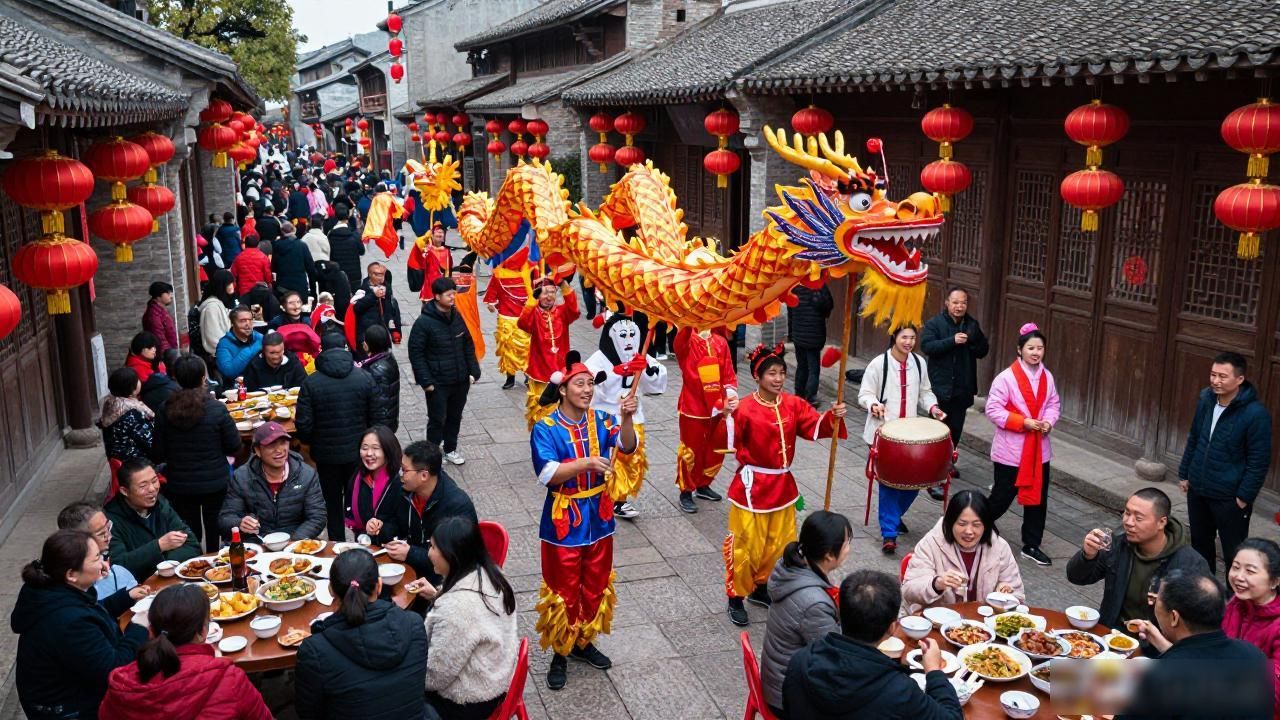
Participation matters more than observation at these festivals. Unlike staged tourist shows, old town celebrations welcome outsiders to join processions, dance circles, and group meals. In the ancient town of Hongcun, visitors regularly find themselves invited to join family banquets celebrating local harvest festivals. This openness reflects core Chinese values of hospitality and communal joy that have survived centuries of social change.
Temple fairs represent one of the most colorful aspects of old town festival culture. Found in towns throughout northern and central China, these markets combine spiritual devotion with commercial activity. Stalls sell everything from handcrafted paper cuttings to religious incense. Acrobats and storytellers perform alongside fortune tellers and traditional medicine practitioners. The scene feels like stepping backward in time while remaining completely present.