
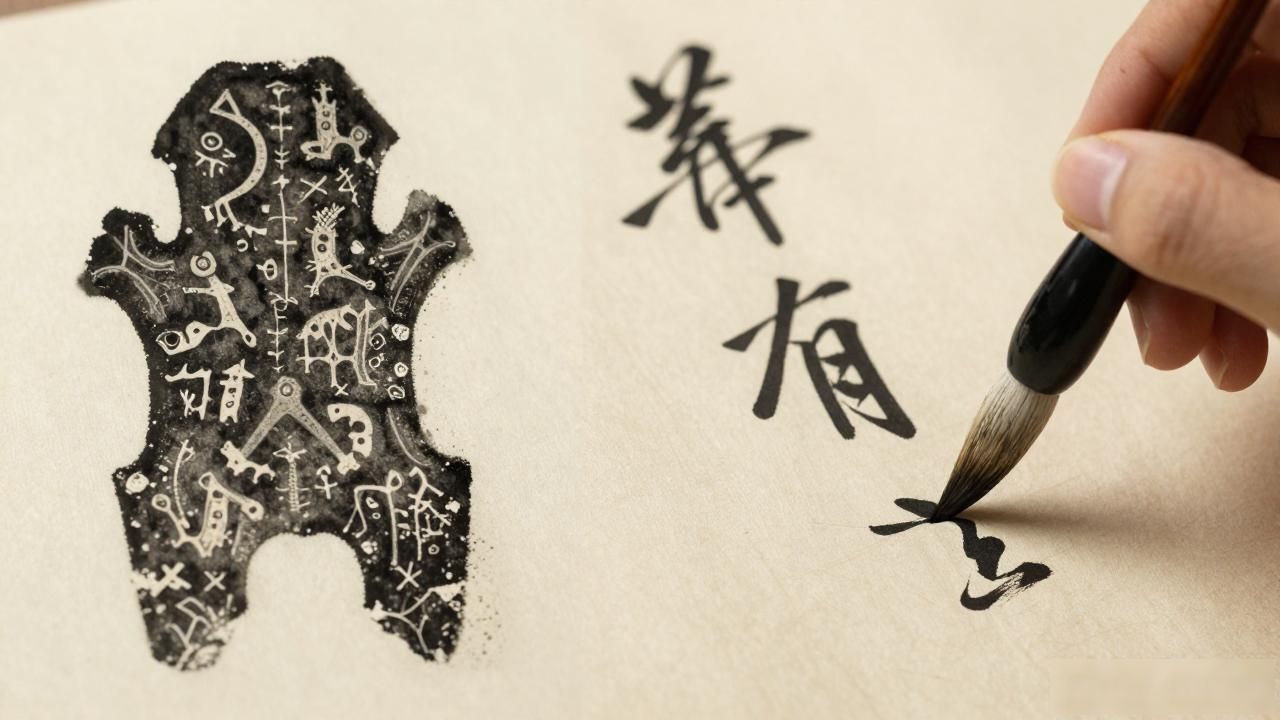
Chinese calligraphy and paper cutting are two of the most recognizable traditional arts in China. They share deep roots in Chinese culture yet could not be more different in technique and visual result. One moves across rice paper with ink and a brush; the other transforms flat sheets of red paper through precise cuts. Both arts demand patience, discipline, and a sensitive hand. For anyone drawn to Chinese culture, understanding what sets these two forms apart unlocks a richer appreciation of the traditions behind them.
How Are Calligraphy and Paper Cutting Different?

Chinese calligraphy traces its lineage back thousands of years. Early scripts emerged from oracle bone inscriptions during the Shang Dynasty, evolving into a sophisticated art form that values the flow of movement as much as the final characters. Each brushstroke carries weight, speed, and intention. Calligraphers do not simply write; they perform. The act itself is meditative, a physical expression of inner balance and spiritual focus. Calligraphy is often called the highest form of Chinese visual art.
Paper cutting, known as jianzhi, tells a different story. This craft reached its height during the Ming and Qing dynasties and has been passed down through generations,mostly among women in rural communities. The process is methodical: folding red paper, marking designs, and cutting with small scissors or knives. Common motifs include zodiac animals, flowers, phoenixes, and characters symbolizing fortune and longevity. Unlike calligraphy, which values the freedom of spontaneous brush movement, paper cutting rewards precision and pre-planning. The artist must anticipate every cut before the blade touches the paper, because one wrong snip can ruin the entire piece.
The cultural role of each art also diverges. Calligraphy adorns study rooms, temples, and formal scrolls, often conveying poetry or philosophical texts. Paper cutting brightens windows and doors during festivals, especially around Spring Festival, when red decorations are believed to ward off misfortune.
Why Should You Care About These Traditions?
Learning about these crafts goes beyond cultural curiosity. Both arts offer tangible lessons in mindfulness and craftsmanship that resonate in our fast-paced modern world. Calligraphy teaches restraint and breath control. A single stroke, once laid down, cannot be erased. The practitioner must commit fully, accepting imperfection as part of the process. This mindset of embracing the irreversible has practical value far outside the art studio.
Paper cutting offers a different kind of focus. The fold-and-cut technique means that a single sheet, properly scored and cut, can yield a complex symmetrical design that reveals itself all at once. It is slow work, rewarding those willing to sit with their material and let the pattern emerge gradually. Many practitioners describe a state of flow similar to meditation, where time slows and concentration deepens.
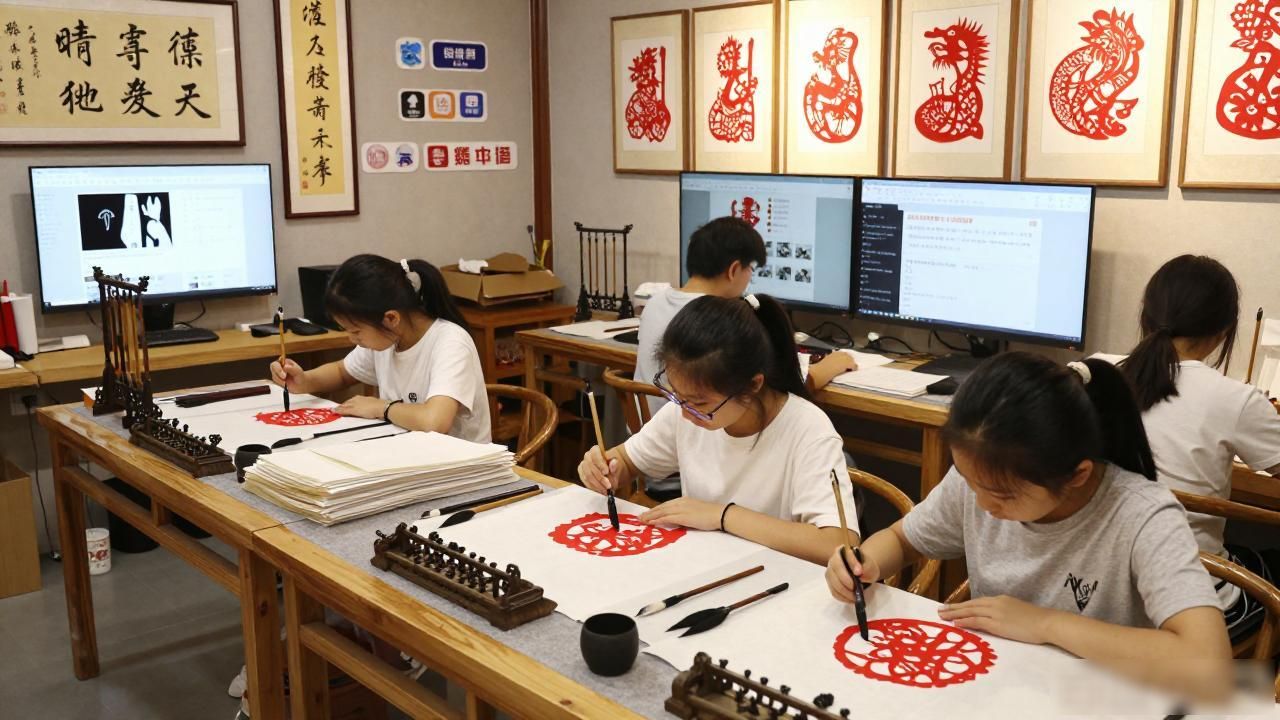
Today, both traditions are experiencing renewed interest worldwide. Workshops in major cities invite beginners to try brush and ink or pick up scissors for the first time. Online tutorials and social media communities have made these arts more accessible than ever. Engaging with them, even at a basic level, creates a personal connection to a culture that values harmony, patience, and beauty in everyday objects.
The next time you encounter a piece of Chinese calligraphy or a delicate paper-cut window decoration, take a moment to consider the hours of practice behind each stroke and each cut. These arts are not relics; they are living expressions of a worldview that prizes deliberation over haste and meaning over appearance. That message speaks universally, regardless of where you come from or what language you speak.