
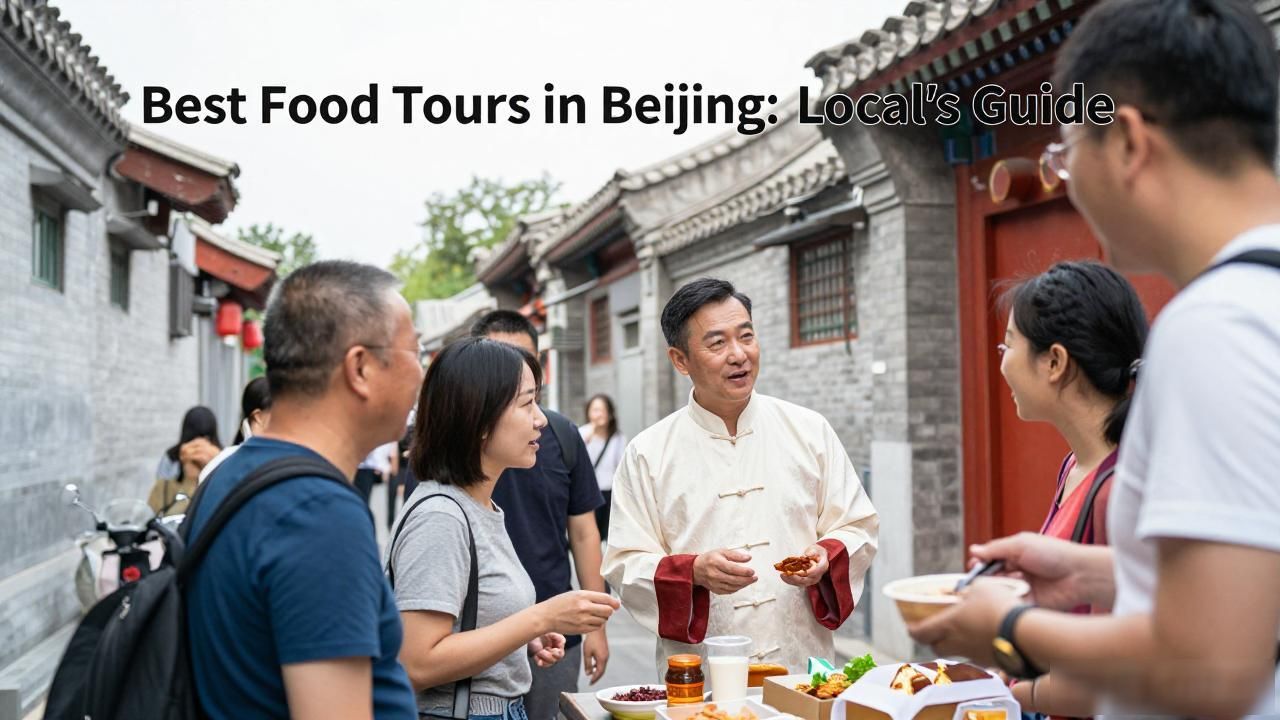
Beijing‘s food scene is a maze of ancient alleyways and modern plazas, where every corner hides a story waiting to be tasted. As someone who has wandered these streets for years, I’ve learned that the city’s culinary soul isn’t found in grand restaurants but in the bustling markets and family-run stalls that feed generations. A food tour here isn’t just about eating; it’s about stepping into the rhythm of daily life, where the sizzle of woks and the chatter of locals paint a vivid picture of tradition meeting innovation. This guide will walk you through the essential experiences, from hidden hutong delicacies to organized tours that connect you with genuine flavors.
Where to find authentic Beijing snacks
Nanluoguxiang might boast the biggest crowds, but the real magic lingers in Qianmen Street’s side alleys. Early mornings are when vendors set up their carts, steaming baskets of jianbing (savory crepes) and frying zhagao (rice cakes) until golden. Stick to stalls with long lines of locals; that’s your surest sign of quality and freshness. Don’t shy away from trial-and-error—try a bite of tanghulu (candied hawthorn) from a street corner vendor, or sample douzhi (fermented mung bean milk) at a small eatery near Tiannanxing. These moments define the tour, offering snapshots of culinary heritage that have survived decades of change.
For a more structured exploration, consider booking a morning tour that focuses on the inner city’s historic food districts. Guides lead you through Shichahai and Di’anmen, explaining the origins of dishes like zhajiangmian (noodles with soybean paste) while you watch chefs hand-pull noodles in front of you. The key is to pace yourself: eat slowly, savor each flavor, and engage with the vendors. Many tours include stops at century-old bakeries where you can taste freshly baked shaobing (sesame seed cakes), often served with a pot of jasmine tea. This approach transforms a simple meal into a cultural exchange, letting you understand why certain ingredients are revered and how recipes have been passed down through families.

How to join a reliable food tour
Finding the right tour requires a bit of detective work. Look for operators that emphasize small groups (ideally under ten people) and offer transparency about their routes and partner restaurants. Read recent reviews on travel platforms, paying close attention to comments about group size, guide knowledge, and food variety. Avoid tours that promise to cover dozens of dishes in a few hours; they often rush through superficial stops. Instead, seek out those focused on a specific theme—like imperial cuisine, vegetarian options,or night market adventures—which tend to provide deeper, more curated experiences.
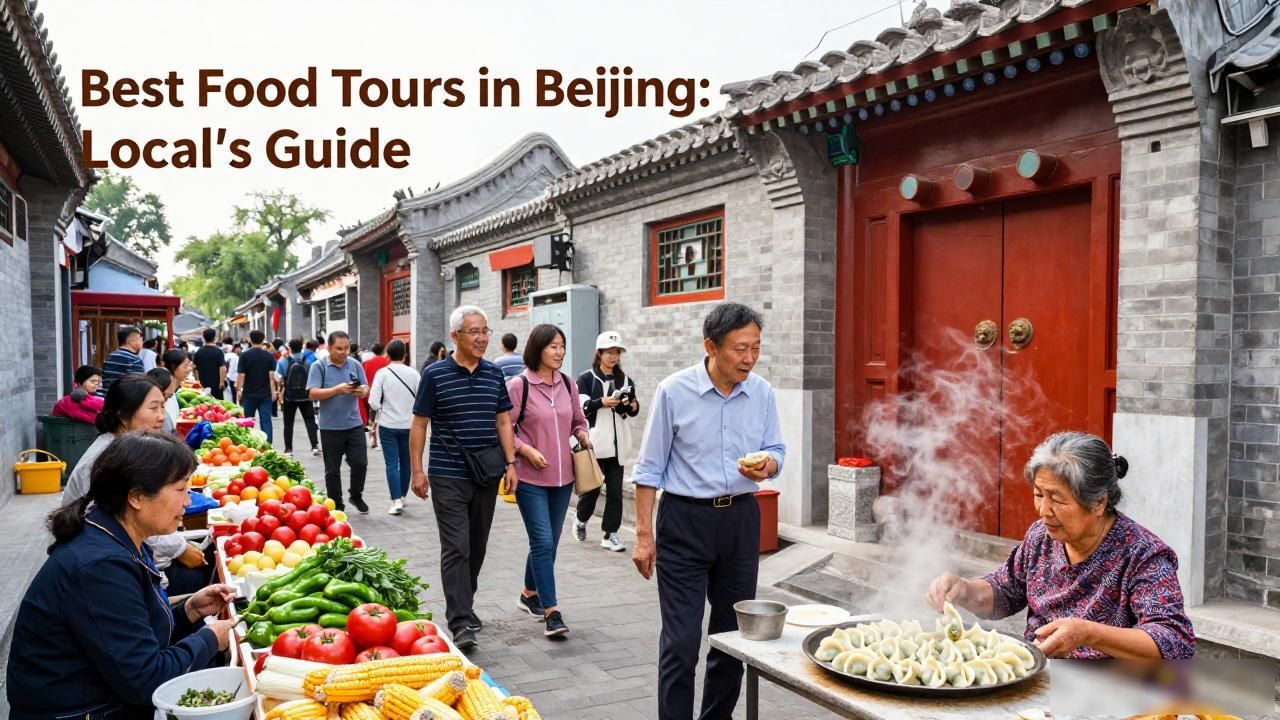
Once booked, prepare to embrace spontaneity. A good guide might detour to a hidden courtyard where a grandmother sells homemade dumplings, or pause at a weekend market where tourists mingle with residents buying fresh produce. Pack comfortable shoes, bring cash for small purchases, and leave room for surprises. Many tours also incorporate cooking classes or tea-tasting sessions, adding interactive layers to the journey. Remember, the goal isn’t just to fill your stomach but to collect memories and connections that extend beyond the meal itself. With the right approach, a Beijing food tour becomes a window into the city’s enduring warmth and ingenuity.