
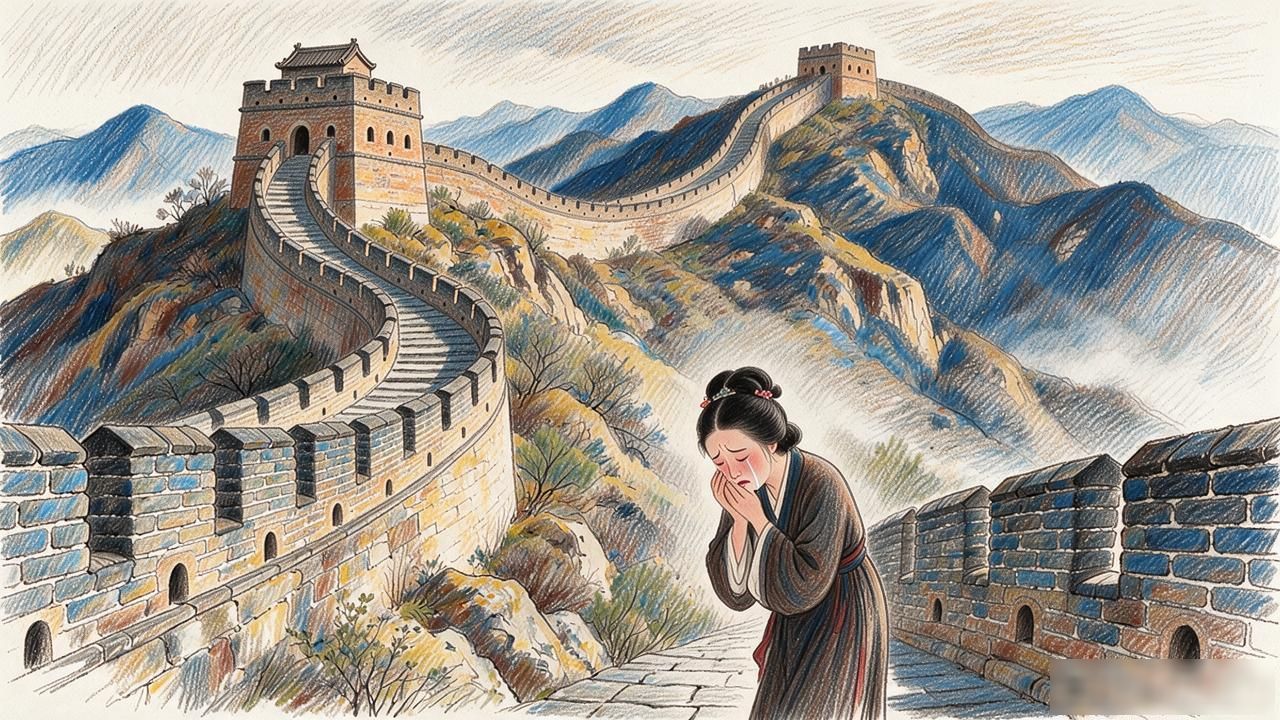
The Great Wall is one of the most recognizable structures on Earth, stretching thousands of miles across mountains and deserts. But what makes it truly fascinating are the legends that have grown around it. These stories are not mere superstitions — they carry deep emotions, moral lessons, and historical truths that have been passed down through generations. For visitors walking along ancient stones, understanding these tales adds a completely new layer to the experience.
Why Do Great Wall Legends Matter So Much?

When you stand before the towering sections near Beijing, it is easy to view the Wall as a marvel of engineering. Yet the legends remind us it was also a place of profound human suffering. The most well-known story is that of Meng Jiangnu, a woman whose husband was forced to build the Wall during the Qin Dynasty. When he died from exhaustion and abuse, she traveled hundreds of miles to bring him winter clothes. Upon learning his fate, her grief was so intense that eight hundred miles of the Wall collapsed at her cries.
This legend has been retold for over two thousand years because it speaks to something universal. It gives voice to the countless无名 soldiers and laborers who never made it home. While emperors and generals get recorded in official histories, these folk tales preserve the memory of ordinary people. No single number can capture how many died during construction, but Meng Jiangnu’s story ensures they are not forgotten.
Different regions along the Wall have their own variations. Some versions say the Wall fell because heaven itself wept for the wronged couple. Others describe her tears as a force stronger than any mortar. What makes these legends enduring is their emotional honesty — they confront the darkness behind one of humanity’s greatest achievements.
How Do Great Wall Legends Change Over Time?
The stories of the Wall have never been fixed. Each dynasty, each region, each generation added new details and reshaped old ones. During the Song Dynasty, poets used Wall legends to comment on territorial losses to northern invaders. In the Ming era, storytellers wove tales of heroic defenders into popular operas.
Today, some guides tell shortened versions of these legends for tourists, while others preserve far more elaborate accounts. The digital age has created a new chapter. Young Chinese writers are reimagining these stories, placing them in modern contexts. Foreign filmmakers have also picked up the legends,bringing them to global audiences through documentaries and dramas.
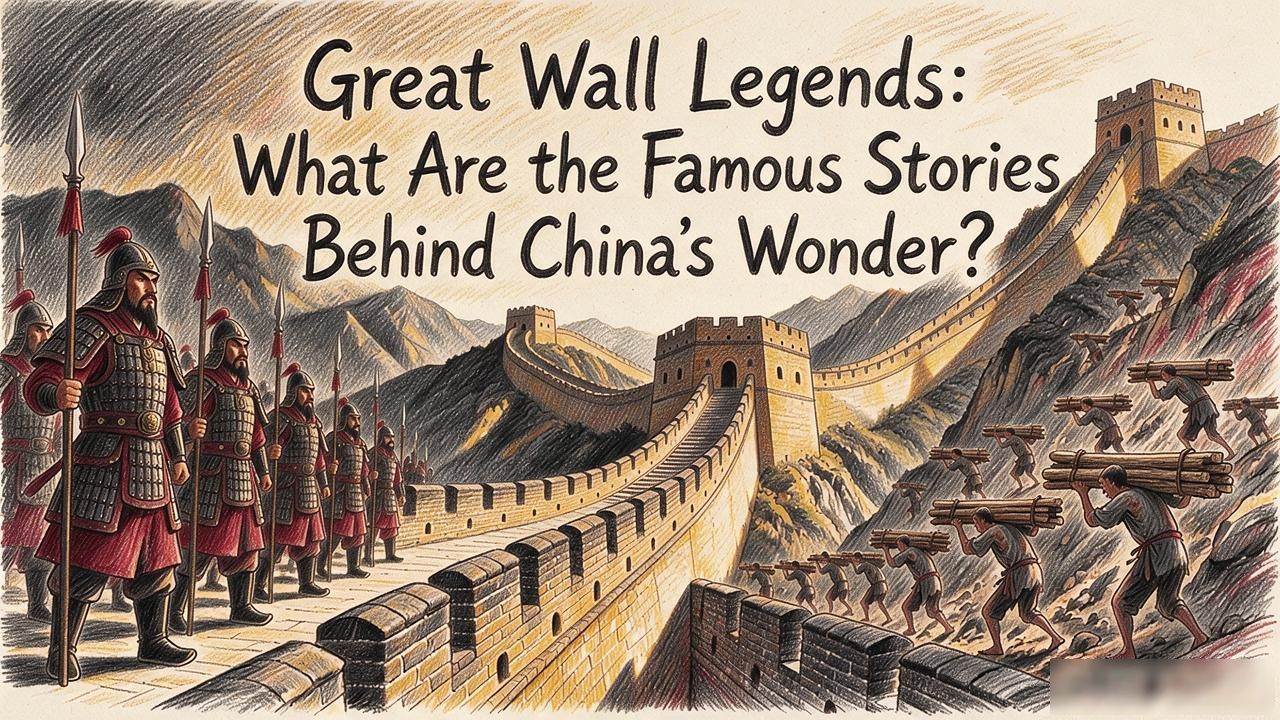
The legends continue to evolve because the Wall itself continues to mean different things to different people. To some, it represents strength and unity. To others, it symbolizes oppression and sacrifice. Both readings are valid. The Great Wall lives not just in stone but in the stories people tell about it.
Walking its pathways, listening to these tales, you begin to understand why the Wall matters far beyond its physical presence. It is a living archive of Chinese memory, continuously rewritten by those who come after.