
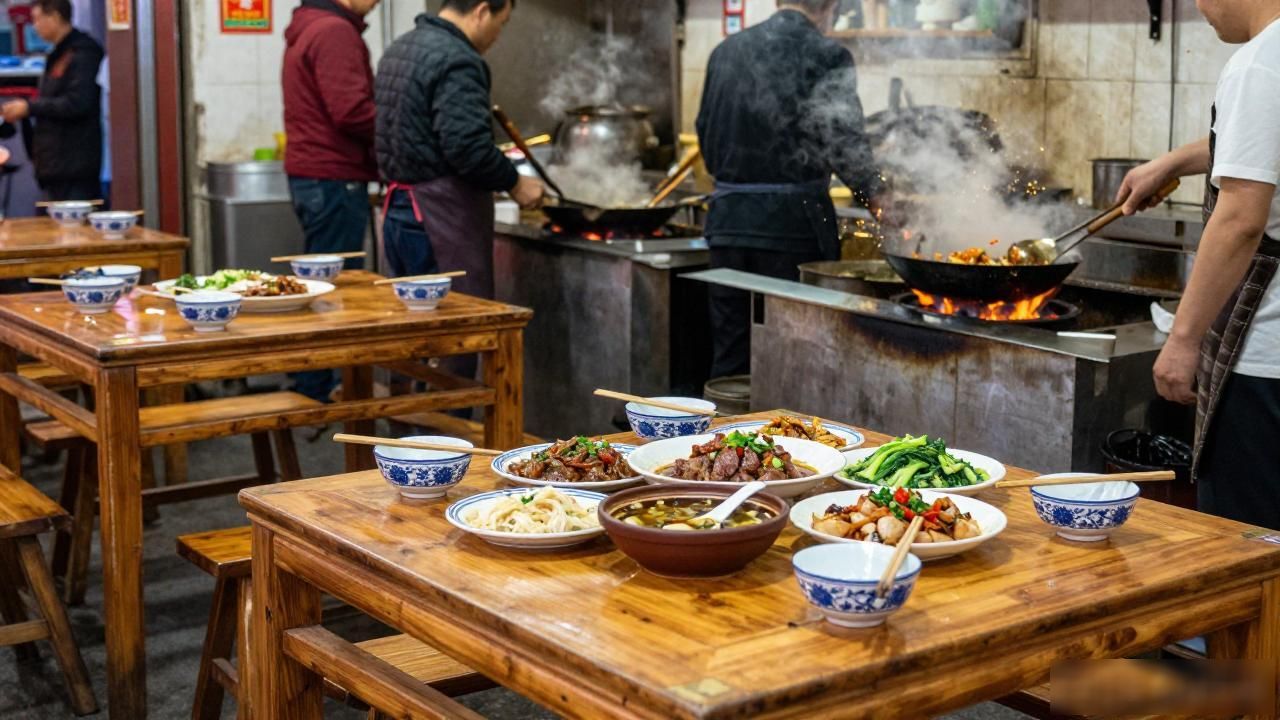
If you’re searching for genuine Chinese food around me, you’ve probably noticed something frustrating — most places serving “Chinese food” outside China taste nothing like what locals actually eat. Dishes have been watered down, flavored with too much sugar, and stripped of the complexity that makes authentic Chinese cuisine so incredible. I moved to China five years ago craving real flavors, and let me tell you, finding it is not as simple as opening a map app. But once you know what to look for, you’ll discover that real Chinese food is hiding in plain sight in neighborhoods you’d never think to visit.
How to Identify Authentic Chinese Restaurants
Walking past a restaurant with a name like “Golden Dragon Palace” doesn’t mean you’re about to taste anything real. Look instead for places where the menus are written in Chinese, where there’s no picture book to flip through, and where the clientele looks predominantly local. The best indicator of authenticity is who sits inside during dinner hours. If it’s mostly Chinese families and office workers coming off shift, you’re likely in the right place.

Another thing I learned quickly is to check the kitchen visibility. Some of the most incredible meals I’ve had were at tiny holes-in-the-wall with maybe six tables and an open kitchen where you can watch the chef toss ingredients over blazing heat. Those places rarely appear on English-language review sites. They survive on word of mouth alone.
Don’t sleep on university districts either. Areas near universities tend to have affordable, authentic options because students demand real taste without fancy pricing. I once found the best spicy Sichuan noodles of my life at a place next to a language school — no English menu, no website, just a chalkboard and a line out the door.
Where to Find the Best Chinese Food Nearby
Major Chinese cities have food streets and night markets where dozens of vendors serve regional specialties side by side. In Chengdu, this might mean hunting for dan dan noodles and mapo tofu at a street stall. In Guangzhou, it means finding dim sum houses that open before seven in the morning. Regional food near you tells you exactly what part of China your neighborhood reflects.
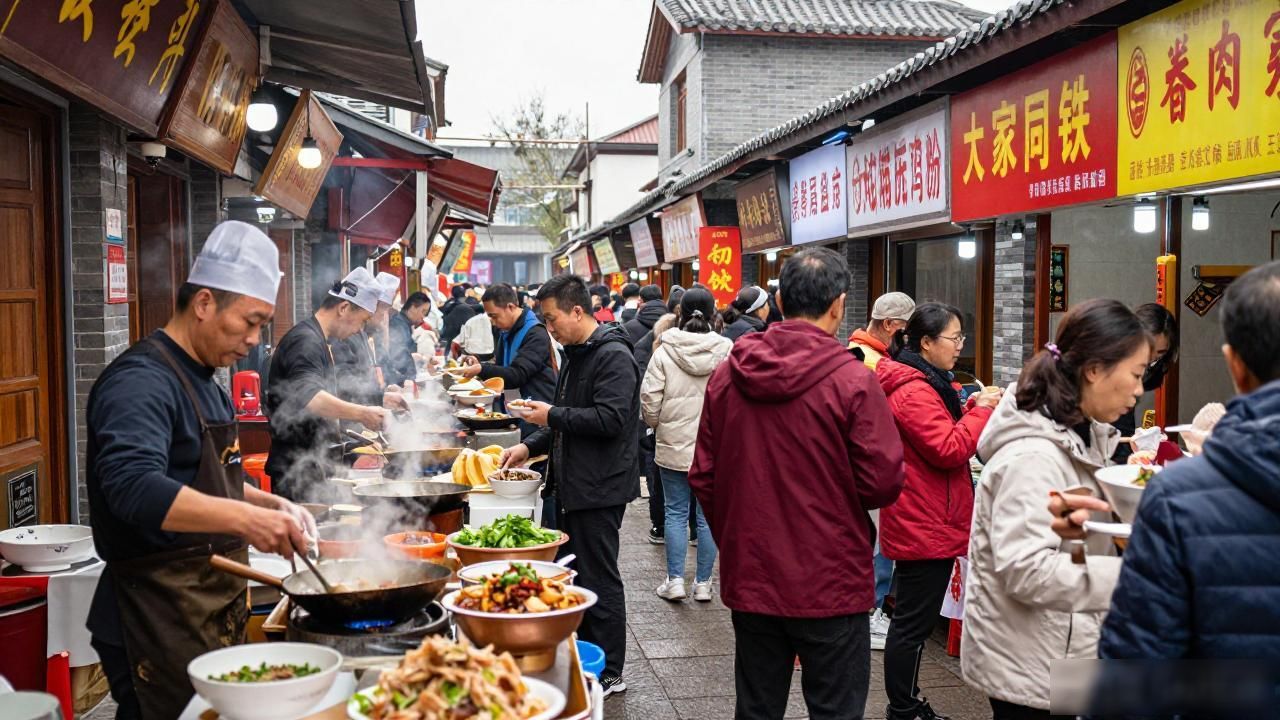
Smaller towns and suburbs often surprise people too. Every Chinese city has its own version of a local food street, usually running along one particular road. These areas concentrate the most dedicated cooks because competition forces quality. One wrong move and the neighbors down the block will tell you — loudly.
I also recommend looking beyond sit-down restaurants entirely. Street food culture in China is unmatched anywhere in the world. Jianbing breakfast carts, skewer grills, soup dumpling shops, and handmade noodle stations are where the real flavor lives. Some of the most memorable meals I’ve had came from plastic stools on the sidewalk rather than any restaurant interior.
What Makes Chinese Food Taste Authentic
Flavor depth comes from technique, not just ingredients. Wok hei, that smoky breath of the wok, cannot be replicated on a home stove. It requires extreme heat and constant motion — skills developed over years of practice. When you taste that signature charred aroma in a properly executed stir-fry, you’re experiencing something that took Chinese cooks generations to perfect.
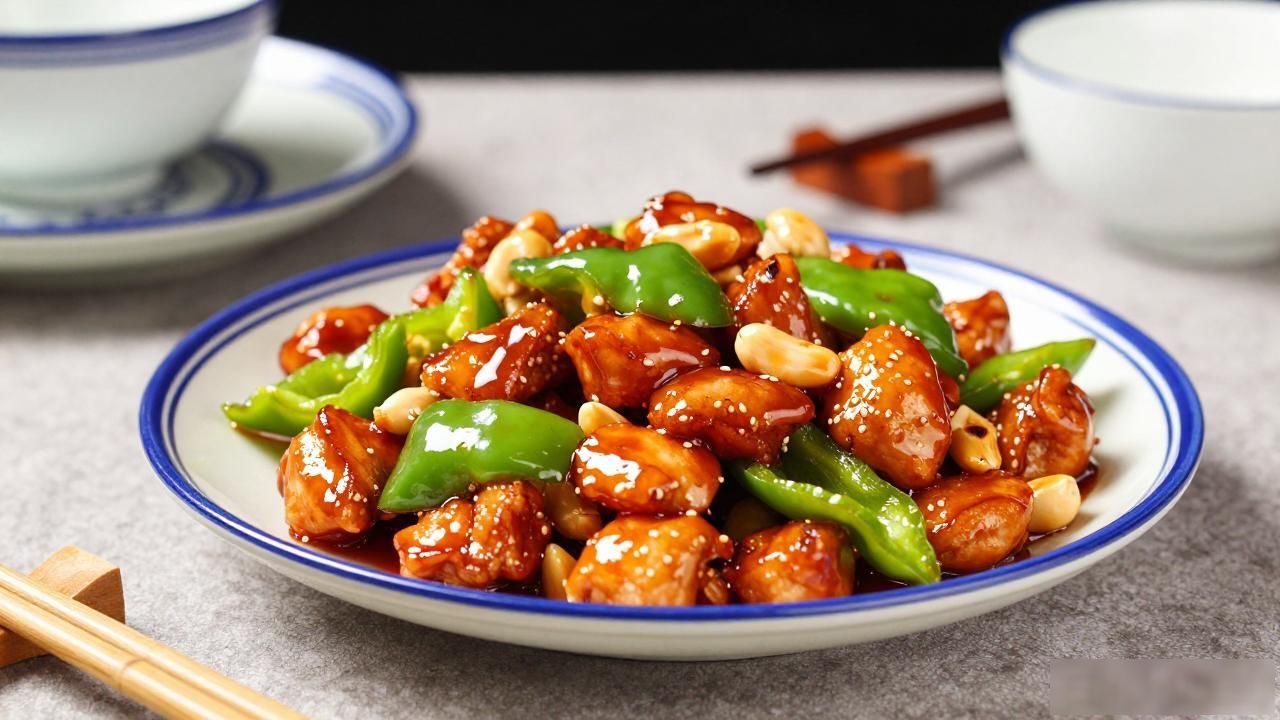
Balance is equally crucial. Authentic Chinese cooking rarely overwhelms with a single flavor. Each dish plays with contrast — spicy and numbing, sour and sweet, crunchy and tender — creating layers that unfold as you eat. A properly made kung pao chicken should hit all these notes without tasting like any one ingredient dominates the plate.
Fresh ingredients make the difference between good and unforgettable. I’ve watched chefs in Changsha prepare dishes using herbs and vegetables harvested that morning from nearby farms. The crunch of a fresh water spinach stem or the brightness of cilantro picked hours ago transforms a simple stir-fry into something you’ll remember for weeks.
Finding genuine Chinese food around me was never about following guides or reading star ratings. It was about learning to read a street, watching where the crowds gather, and trusting the smells drifting from open kitchens. The next time you search for real Chinese food nearby,skip the tourist traps and follow your nose to wherever the steam is rising hottest. That’s where the magic happens, every single time.