
What makes Chinese food so special in Chinese culture? This is a question many people ask when they first discover that a single country produces more regional dishes than most of the world’s cuisine combined. The answer goes far beyond taste. Chinese food is deeply tied to philosophy, family bonds, and centuries-old traditions that shape how people think about life, health, and human connection.
How Yin and Yang Shape Every Meal

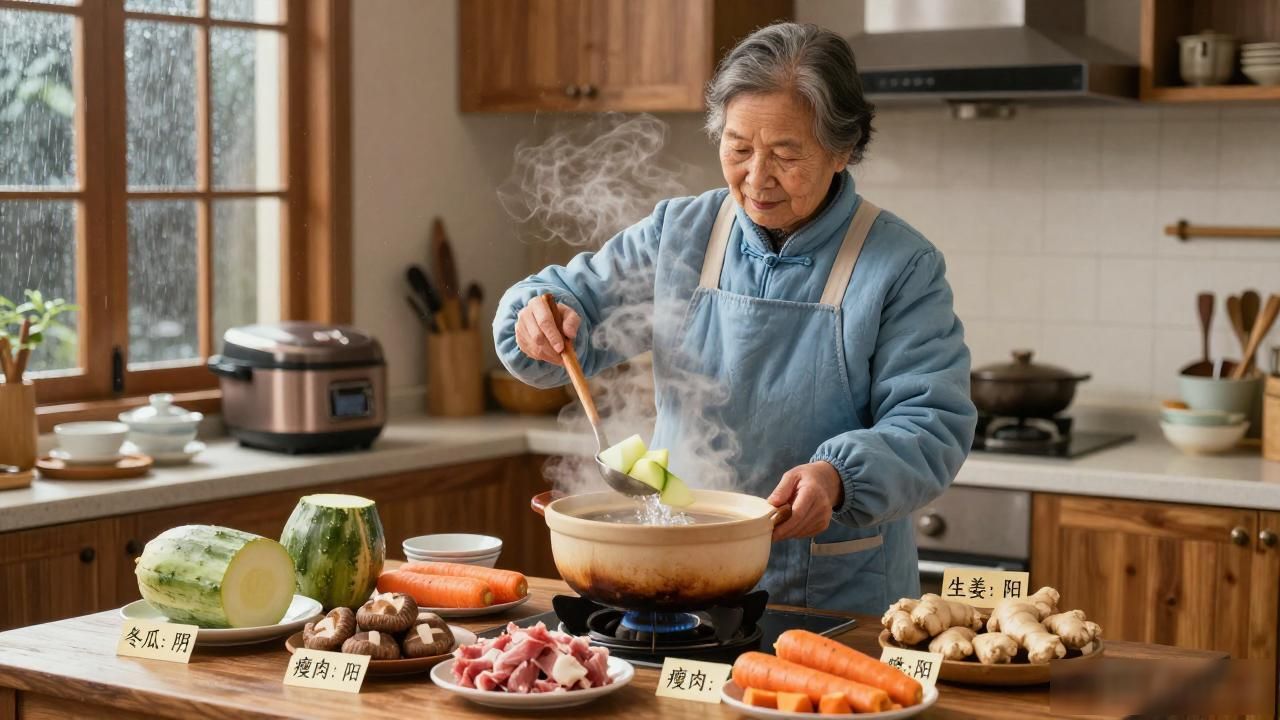
Chinese culinary tradition rests on principles older than most written languages. The concept of yin and yang shows up on every dinner table. Foods are classified by their energy properties — cooling or warming, heavy or light. A grandmother in Guangzhou will never serve winter melon soup in July; she knows that dish belongs to cold days,not humid ones.
This philosophy extends to cooking methods themselves. Stir-frying, steaming, and slow-braising aren’t just techniques chosen for convenience. Each method serves a purpose aligned with how food interacts with the body. Tofu, considered cooling in nature, gets paired with ginger and garlic to balance its properties. Spicy Sichuan dishes, which raise internal heat, are consumed alongside cooling herbal teas to maintain harmony.
Chinese people treat food as medicine and medicine as food. The boundary between these two worlds is almost nonexistent in daily life. When someone catches a cold, the remedy isn’t always found in a pharmacy. It might be a bowl of ginger congee prepared at home.
Why Regional Cuisines Reflect China’s Diversity
Walking through a Chinese market in one city and another reveals a staggering variety of ingredients and flavors. The rice-based diet of Guangdong contrasts sharply with the wheat-heavy world of northern China. Sichuan peppers numb the tongue while Cantonese cooking seeks the natural sweetness of every ingredient.
This diversity stems from geography as much as culture. China spans multiple climate zones and thousands of miles of coastline. Regional cuisines preserve local identity in a country that sometimes struggles with cultural homogeneity. A person from Harbin might visit Shanghai and immediately notice how different the flavors feel. The same is true in reverse.
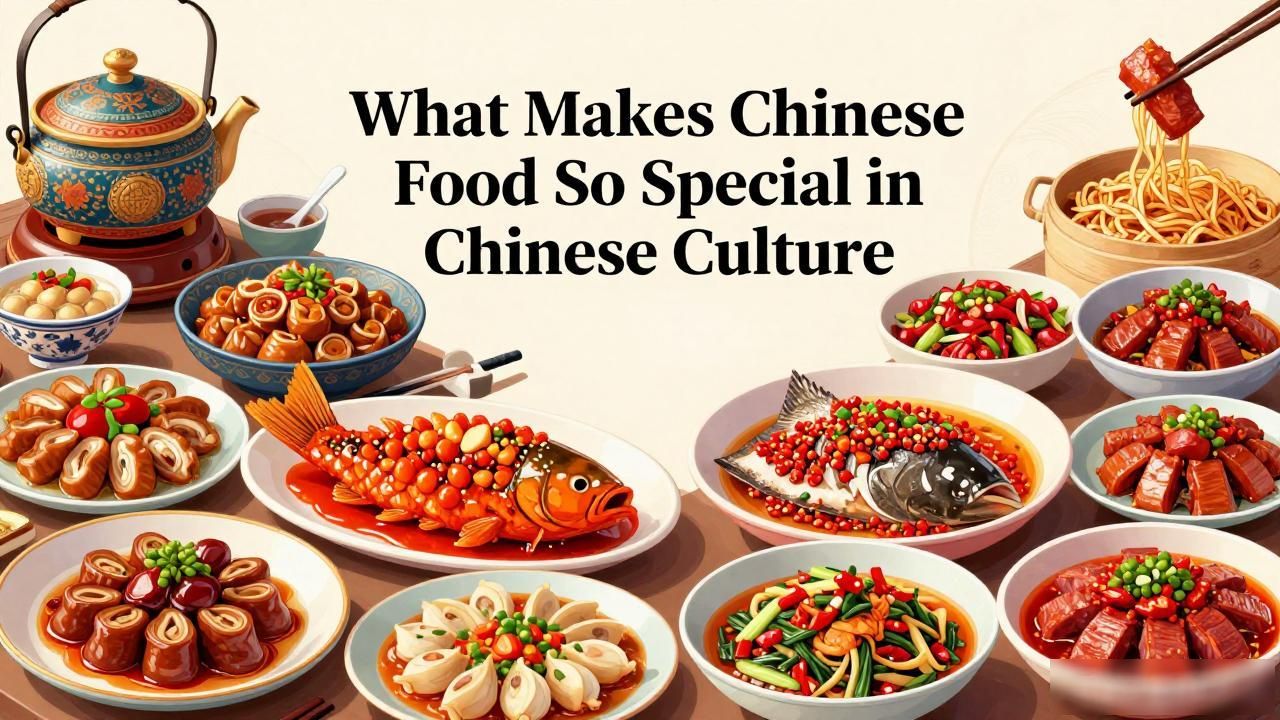
Every province carries its own culinary stories. Shandong cuisine, one of the oldest traditions, influenced imperial court cooking for centuries. Hunan food carries the fiery spirit of a landlocked, humid region where strong flavors were historically needed to combat dampness. These dishes are not recipes — they are living histories of the places that created them.
Food also tells stories of migration and exchange. The popularity of noodles across China traces back to interactions along the Silk Road. Tomatoes, now essential to many Chinese sauces, arrived from the Americas during the Ming dynasty. What makes Chinese food unique is its ability to absorb external influences and make them feel entirely native.