
What Makes Chongqing Hot Pot Special?
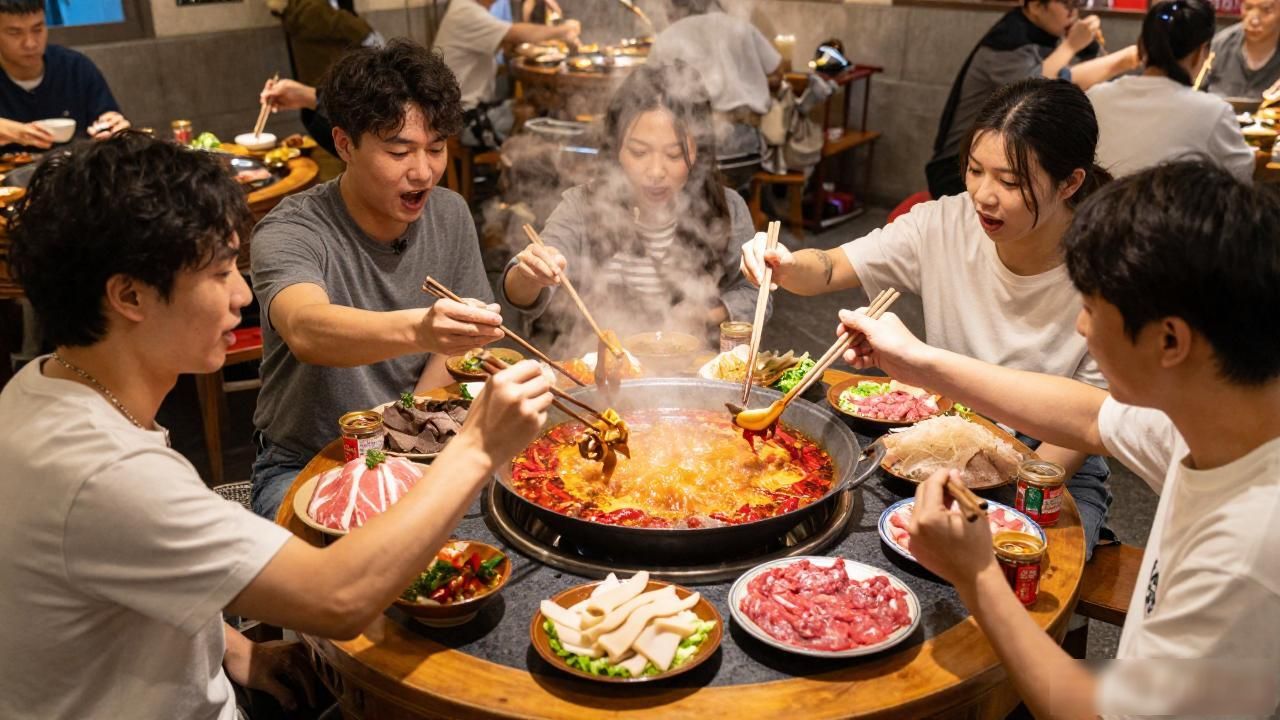
Stepping into a Chongqing hot pot restaurant is an experience that hits you immediately — the smell alone tells the story. That sharp, numbing fragrance of Sichuan peppercorns wafts through the air before you even sit down. Hot pot in Chongqing is not just food; it is a cultural institution that has shaped the identity of this mountain city for over a century.
The secret behind the magic lies in the broth. Traditional Chongqing hot pot uses beef tallow as its base, loaded with dried chili peppers and the infamous Sichuan peppercorn. When these ingredients simmer together for hours, they create a deep, rich liquid that coats every piece of food you drop into it. The result is a complex flavor profile — spicy, numbing, savory, and deeply satisfying all at once.

Visitors often describe their first experience as thrilling rather than comfortable. That intentional discomfort is part of the charm. The heat builds gradually, warming your body from the inside out,while the tingling sensation from the peppercorns creates an entirely different kind of excitement on your tongue.
The Soul of Chongqing Hot Pot: Numbing Spice
The magic ingredient that sets this cuisine apart is the hua jiao — the Sichuan peppercorn. Without it, you would simply have spicy hot pot, which exists in many forms across China. But with it, you get something irreplaceable. The numbing sensation, called ma, is what transforms a meal into a memory.
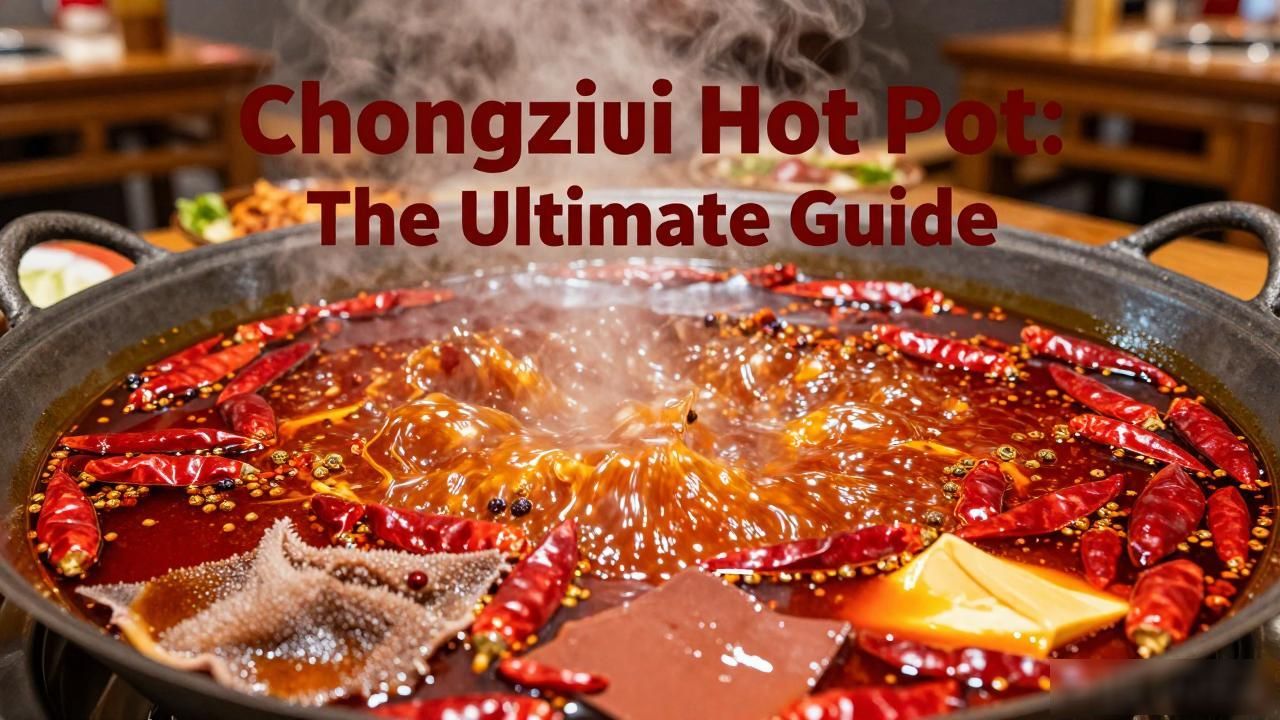
This particular pepper creates a trembling, buzzing feeling across your lips and tongue. It might sound strange to foreigners, but locals swear they cannot eat hot pot without it. The combination of la (heat) and ma (numbness) working together produces what the Chinese call mala — the dual sensation that defines the entire Chongqing dining experience.
Restaurants typically offer different spice levels, from mild to fiery. Choosing the mild version is a safe starting point, but experienced diners know the real adventure begins at medium or above. Order a mild broth if you are nervous, but do not skip the challenge entirely. The full experience deserves the courage to try.
Where and How to Eat Like a Local
Walking down the streets of Chongqing, you will notice hot pot restaurants on nearly every corner. Some occupy sleek multi-story buildings with elegant decor. Others hide in narrow alleyways beneath apartment blocks, serving customers from plastic stools. The best spots often look nothing like what guidebooks promise.
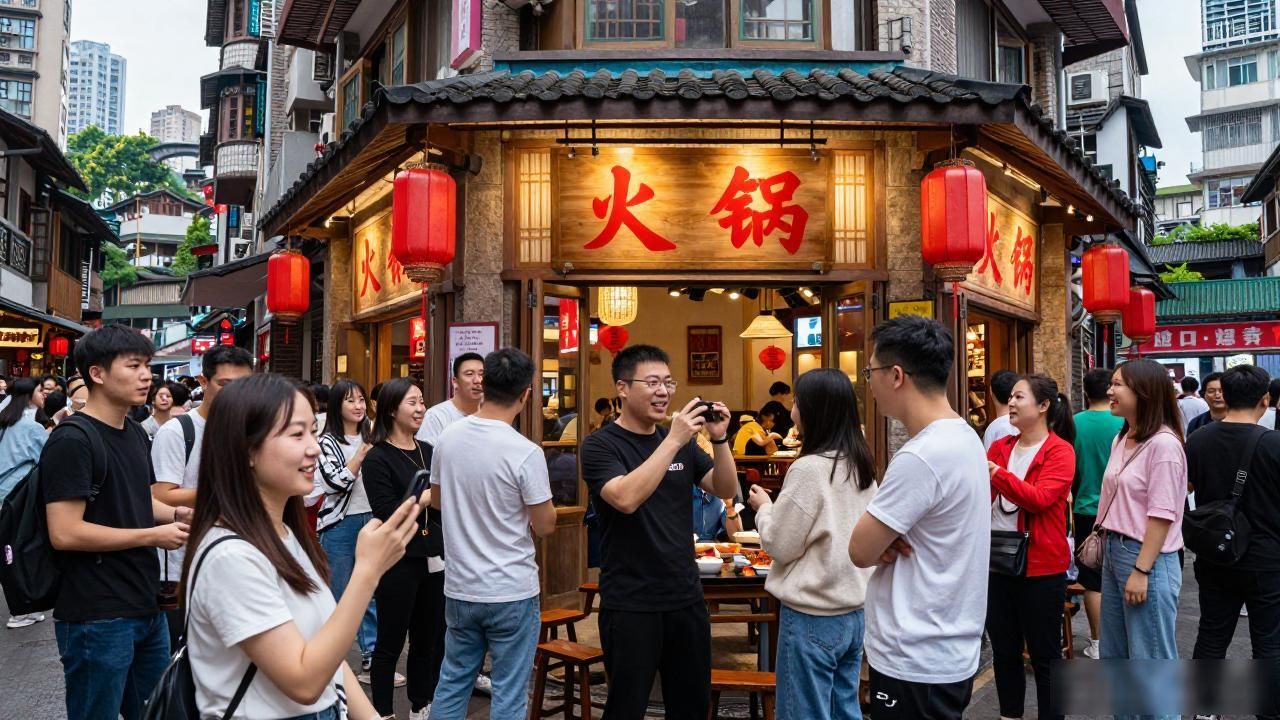
Locals gravitate toward places where the line stretches out the door. These restaurants may not have English menus or friendly staff who speak another language, but the long queues prove something invaluable — the food is worth waiting for. Do not be afraid to follow a crowd. It is one of the most reliable ways to find authentic experiences anywhere in China.
Popular ingredients to try include thin-sliced beef, tripe, duck intestines, and lotus root. Vegetarians should look for tofu, mushrooms, and various leafy greens. Each ingredient changes texture and flavor as it cooks in the bubbling broth. The longer you leave something in, the more intense the taste becomes.
Hot pot in Chongqing is about more than surviving the spice. It is about community, conversation, and the joy of sharing something extraordinary with people around you. Come hungry, stay curious, and let the heat guide you.