
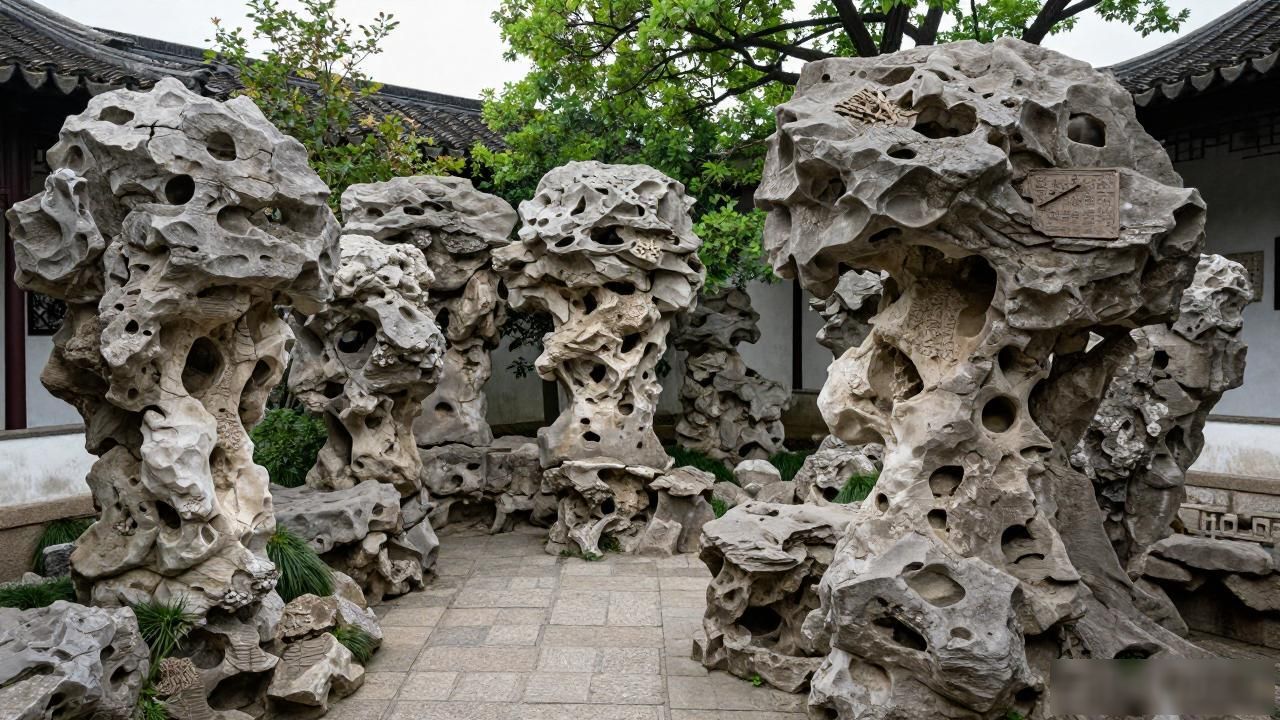
Suzhou Gardens rockeries are the soul of classical Chinese garden design, transforming mere piles of stone into miniature mountains that tell stories of nature, philosophy, and artistic mastery. These intricate rock formations are not decorative afterthoughts but the very backbone of garden composition, guiding visitors through carefully choreographed journeys across imagined landscapes. Understanding what makes these rockeries remarkable reveals why they have inspired gardeners and designers worldwide for over a thousand years.
Why Are Suzhou Gardens Rockeries So Famous
The fame of Suzhou rockeries rests on their ability to compress vast mountain ranges into garden-scale compositions. Master stonemasons spent years selecting, carving, and positioning individual stones to capture the essence of famous peaks like Huangshan or Kuaiji. The result is a landscape that feels grander than its physical boundaries allow, creating an illusion of infinite depth within walled courtyards.

Meteoric stones, locally known as taihu stones, dominate these gardens for good reason. Their naturally eroded surfaces, riddled with holes and crevices, evoke images of ancient mountains worn smooth by wind and water over millennia. Each stone carries unique textures and contours that catch light differently throughout the day, shifting from warm gold at dawn to moody charcoal at dusk.
The philosophy behind these arrangements stems from Daoist ideals of harmony between humanity and nature. Rather than imposing geometric order on stone, artisans worked with each rock’s natural character, placing them to suggest cliffs, caves, and ridges. This approach created spaces where visitors could virtually climb mountains, discover hidden pavilions, and contemplate the transient beauty of clouds drifting between stone peaks.
How to Appreciate the Rockeries in Suzhou Gardens
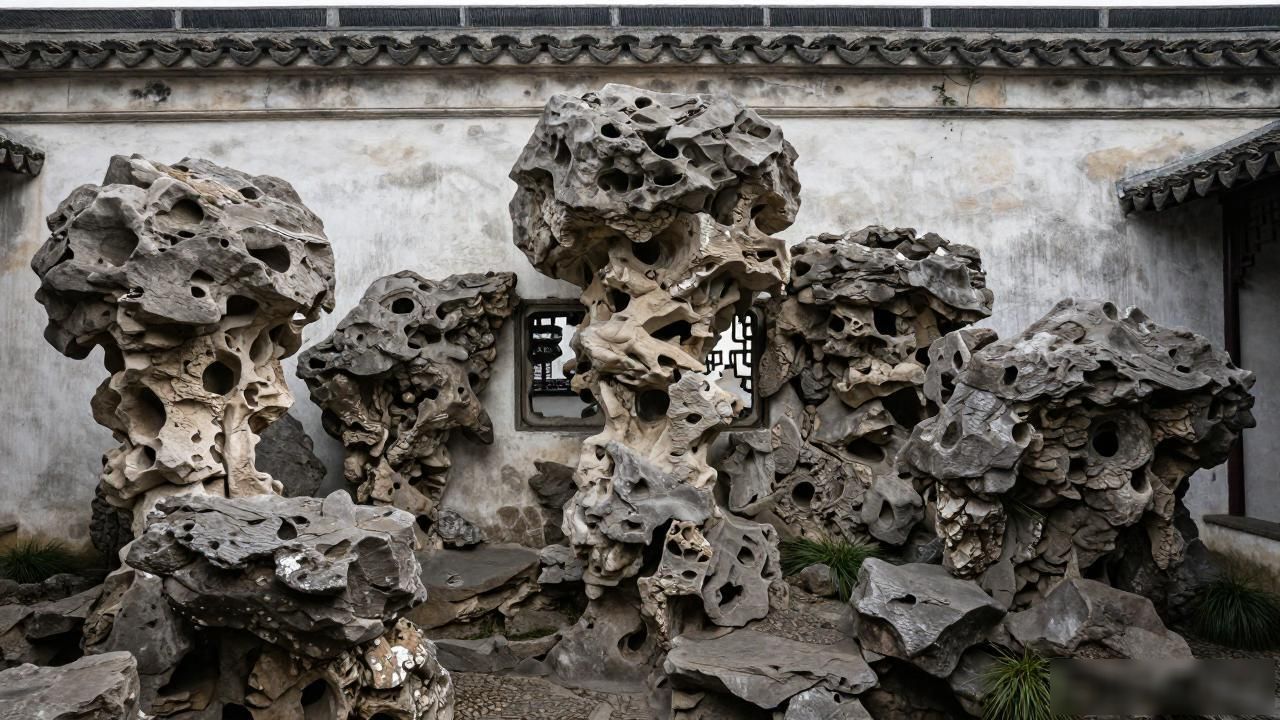
Walk through the Humble Administrator’s Garden and you will immediately notice how rockeries frame every vista like living paintings. The largest formation here spans over two hundred square meters,constructed from more than two thousand individual stones. No two perspectives offer the same view, ensuring that each circuit reveals something unexpected around the next bend or through an arched doorway.
The Lingering Garden presents a different challenge in appreciation. Its celebrated rockery rises nearly ten meters high yet covers barely a hundred square feet of ground. This vertical ambition demonstrates how masters used weight distribution and interlocking techniques to create seemingly impossible overhanging formations. Stone bridges connect peaks that appear defying gravity, while narrow passages invite visitors to experience the sensation of emerging from mountain caves.
Seasonal variations dramatically alter how rockeries reveal themselves. Spring mosses soften harsh edges, summer rain darkens surfaces to deep black, autumn chrysanthemums nestle in crevices, and winter snow transforms gray masses into minimalist sculptures. Each season demands different attention points, rewarding repeat visitors with fresh discoveries long after the initial romance fades.
Where to Find the Best Examples
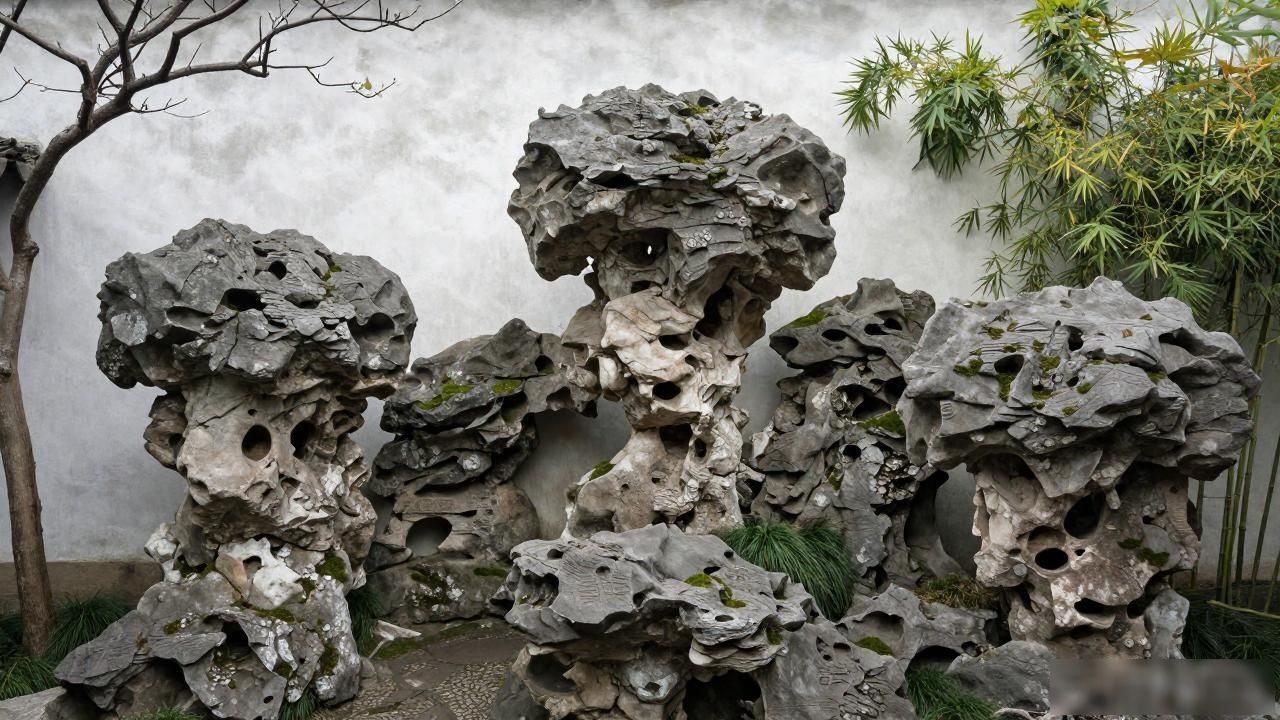
The Master of Nets Garden offers perhaps the most concentrated concentration of rockery art within Suzhou’s limited space. Despite occupying only four acres, its eleven rock formations demonstrate techniques found nowhere else. The Cloud-Capped Peak, a single meteoric stone standing five meters tall, represents the pinnacle of literati stone appreciation, celebrated in poems and paintings since the Song Dynasty.
Going beyond Suzhou city walls, the Tiger Hill area contains rockeries that predate the garden tradition by centuries. Cliff-side carvings and cave systems modified for viewing create an open-air museum experience that contextualizes later garden innovations. The Flying Fish Ridge rockery, with its undulating form suggesting a creature emerging from water, demonstrates how rockery masters borrowed from marine imagery as readily as terrestrial landscapes.
For travelers seeking solitude among ancient stones, the Small Wild Goose Lake garden escaped modern tourism’s rush. Its rockeries integrate seamlessly with surrounding wetlands, offering reflections that double the visual impact of every formation. Early morning visits here provide moments of pure contemplation, where the only sounds are water lapping against stone and birds calling from hidden perches.