
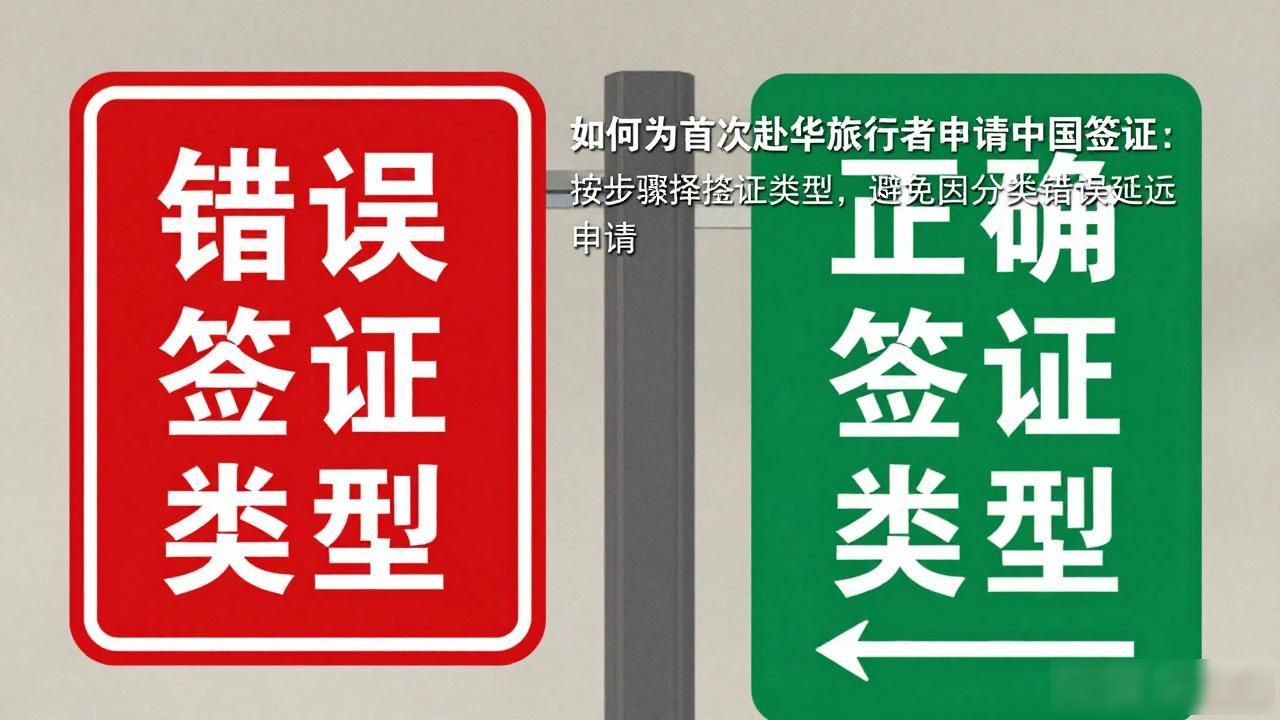
Applying for a China visa can seem overwhelming at first, but understanding the process makes it much simpler. Whether you’re planning a business trip, visiting family, or exploring China’s incredible landmarks, getting the right visa is your first step. This guide walks you through everything you need to know about the China visa application process, from determining which visa type you need to submitting your documents and picking up your passport.
Which China Visa Do I Need
Choosing the correct visa category is the most important decision in your application. Tourist visas, marked as L visas, cover sightseeing and visiting friends. Business travelers typically need a Z visa for employment or an M visa for commercial activities. Students heading to Chinese universities require an X visa, while those joining family members long-term should look into a Q or S visa depending on their relationship.

The visa you select directly affects your documentation requirements and processing time. A tourist visa usually needs fewer documents than a work visa, which requires additional paperwork from your employer. Misclassifying your visa type is one of the most common mistakes applicants make, and it can lead to delays or even denial. Double-check the purpose of your visit and match it with the appropriate visa category before proceeding.
Many travelers wonder whether they can enter China visa-free. Some nationalities qualify for transit without a visa when passing through certain cities for short stays. However, if your trip involves staying more than a few hours or traveling beyond the designated transit zone, you will need a proper visa. Check the latest regulations based on your nationality before making travel plans.
What Documents Do I Need to Prepare
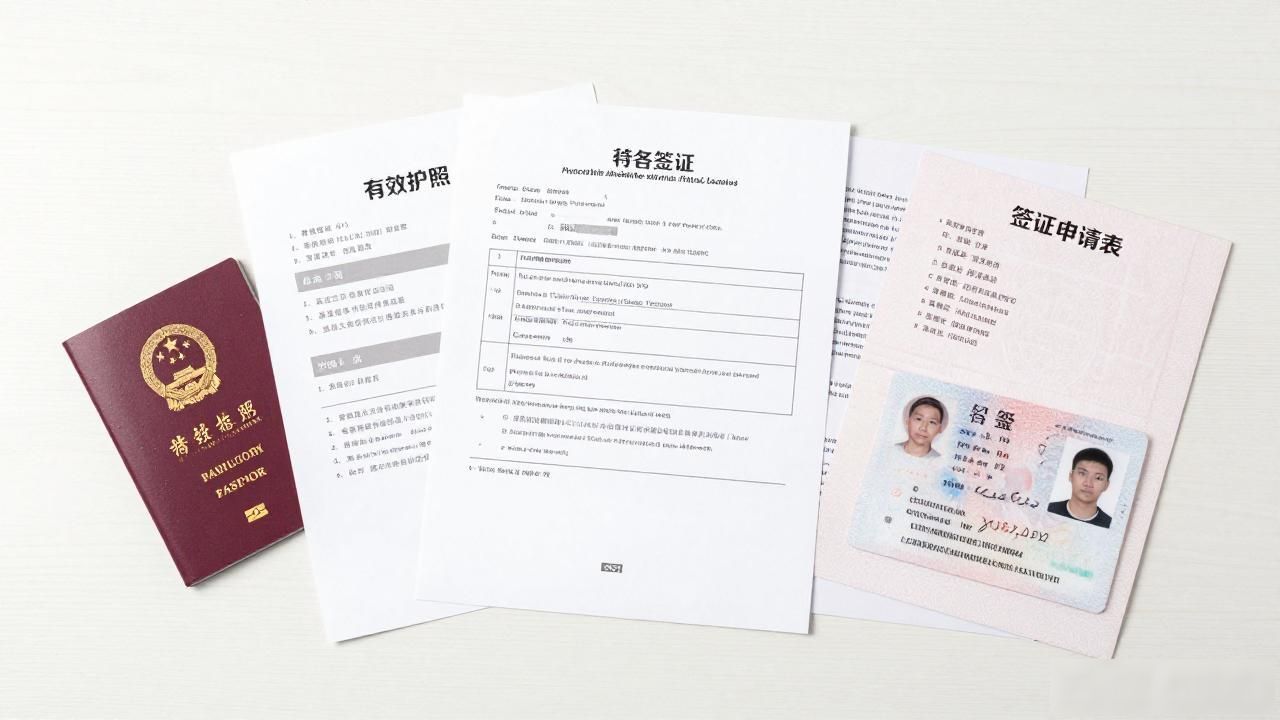
Gathering the right documents upfront saves time and prevents headaches later. A valid passport with at least six months of remaining validity and two blank pages is non-negotiable. You will also need a completed visa application form, which can often be filled out online before your appointment. A recent passport-sized photo meeting specific requirements is another must-have.
Additional documents depend on your visa type and purpose of visit. Tourist applicants should bring their flight itinerary and hotel reservations. Business visitors need an invitation letter from a Chinese company. Family reunion applicants require proof of relationship and an invitation from their relative in China. Keep copies of everything you submit, just in case.
Processing times vary depending on where you apply and how busy the embassy or consulate is. Standard processing usually takes four working days, but expedited options are available for urgent travel plans. Plan ahead and submit your application at least two to three weeks before your intended departure date to avoid last-minute stress and potential complications.
What Happens After You Submit Your Application

Once you submit your application, the review process begins. Consular officers examine your documents carefully, checking for completeness and authenticity. During this period, your passport remains with the embassy or consulate, so make sure you have an alternative travel document if needed. You will receive a pickup slip with instructions on when and where to collect your processed passport.
If additional information is requested, respond promptly. Delays in providing extra documents can slow down the entire process significantly. In rare cases, applications may be rejected due to incomplete paperwork or discrepancies in the information provided. Understanding the reason for rejection helps you correct the issues and reapply successfully.
After receiving your visa,carefully check that all details are correct, including your name, passport number, visa validity dates, and entry type. Any errors should be reported immediately to the consulate before you travel. A visa with incorrect information can cause serious problems at border control and potentially prevent you from entering China altogether.