
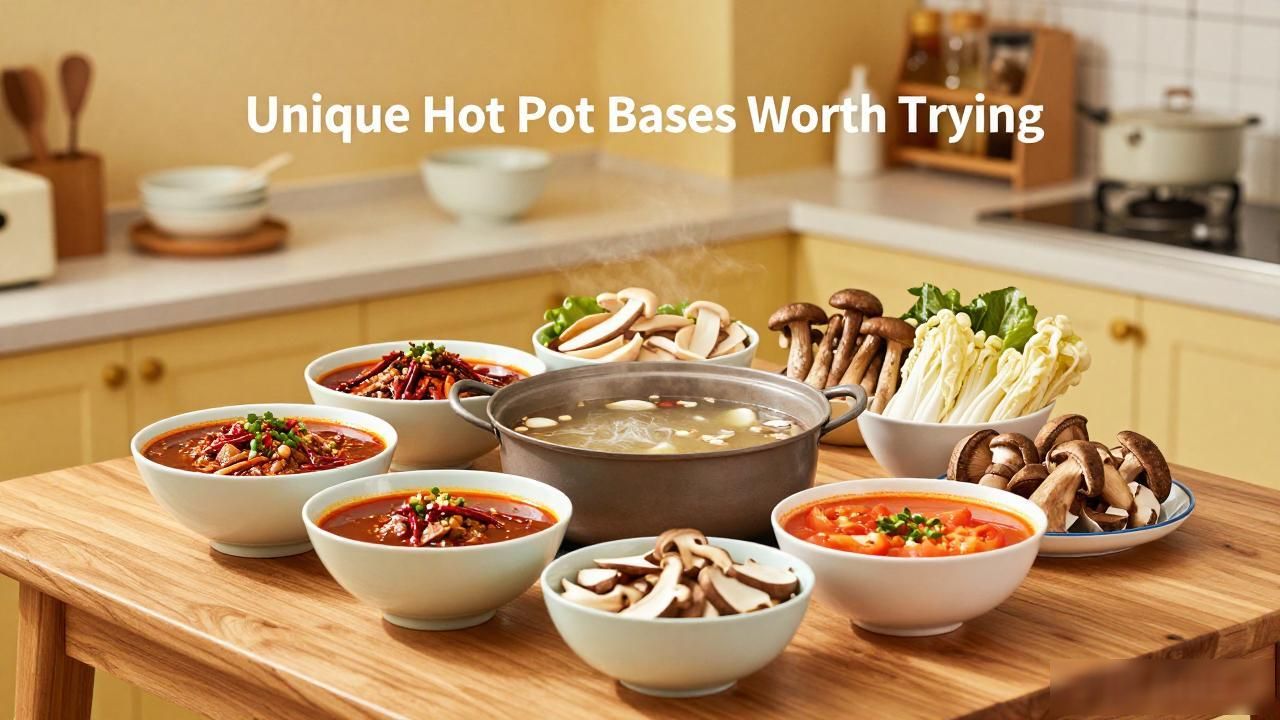
Hot pot is more than just boiling food in broth. The magic really lies in the base. Across Asia and beyond, countless regional styles create completely different flavor experiences. Some are fiery and numbing, others are rich and earthy,and a few are surprisingly light. Understanding these bases opens up a whole new world of hot pot appreciation.
What Makes Hot Pot Bases Unique
Sichuan hot pot base stands as one of the most iconic choices worldwide. It relies heavily on Sichuan peppercorns combined with dried chili peppers, garlic, ginger, and fermented soybean paste. The result is a broth that numbs your lips before it burns them. This distinctive mala sensation is impossible to replicate with ordinary spice blends.

Tibetan and Qiang minority groups have preserved their own versions using yak butter and Himalayan salt. These bases feel hearty and primal, designed for high-altitude living where warmth matters more than subtlety. Foreigners discovering this style often describe it as something between soup and comfort food in liquid form.
Chongqing style takes the Sichuan formula and pushes it further. Extra beef tallow creates a thick, glossy surface on top of the broth. The fat locks in heat and carries flavors deeper into every ingredient you dip. Many restaurants claim their tallow recipe has been passed down for generations.
How Are Different Bases Made Traditionally
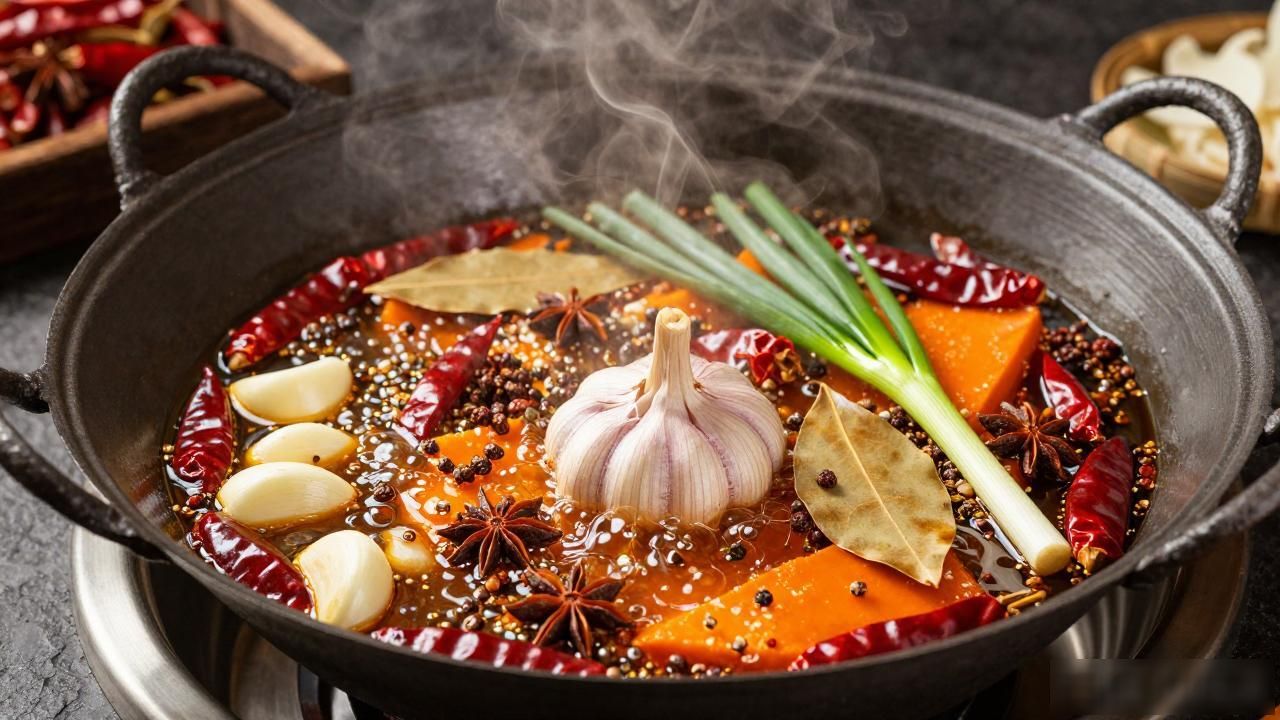
Fried aromatics form the foundation of almost every quality hot pot base. Cooks slowly sauté garlic, scallions, and spices in oil until everything releases its essential oils. This process takes patience and cannot be rushed. A properly fried base smells incomparably richer than anything stir-fried quickly.
Some bases involve fermentation, which adds another layer of complexity. Douchi, or fermented black beans, contributes a salty umami depth found nowhere else. In Guangdong-style hot pot, dried tangerine peel occasionally appears, bringing brightness that cuts through heavy meats beautifully.
Rice wine and Shaoxing wine often appear in southern Chinese bases. They deglaze the cooking vessel and lift aromatic compounds into the broth. Without alcohol, many of those subtle flavors would remain trapped in the solid ingredients. A splash of wine changes everything about how the base performs.
Where to Find the Best Unique Bases
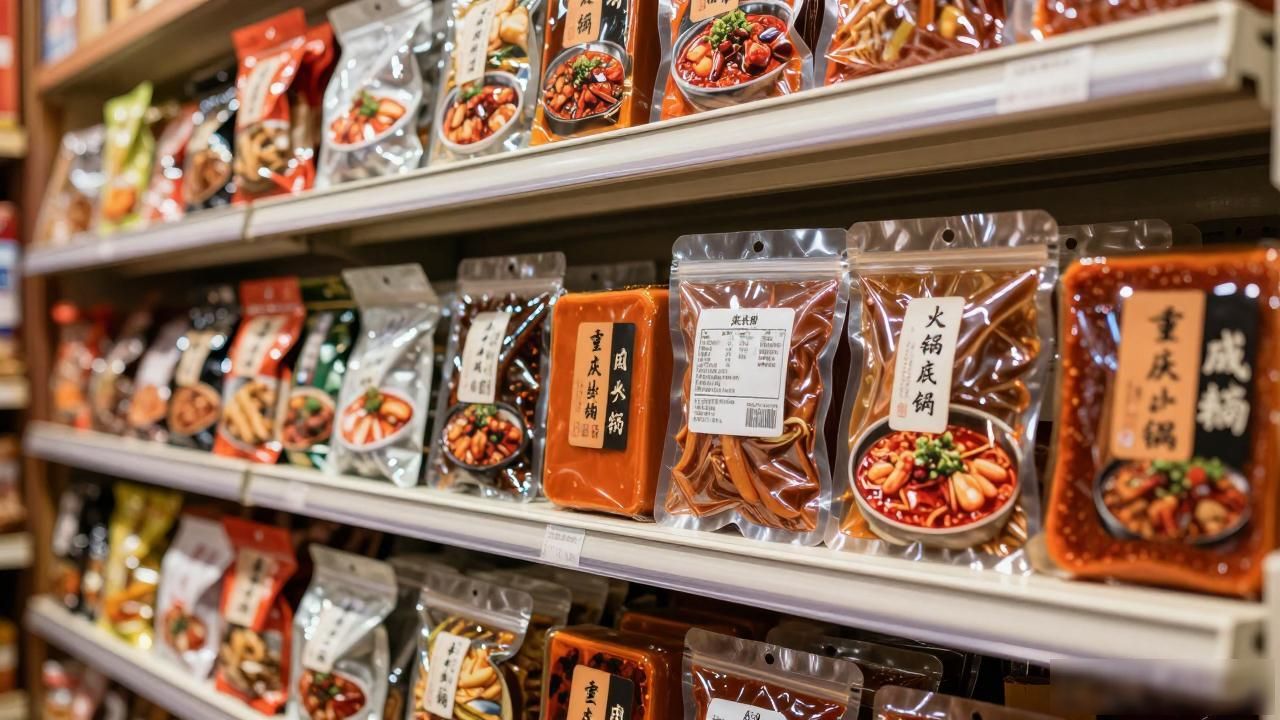
Specialty Asian grocery stores now carry packaged hot pot bases from regional manufacturers. Brands from Chengdu, Chongqing, and Guangzhou ship internationally and offer authentic preparations. Checking labels for ingredient lists reveals quality differences between mass-produced and artisanal versions.
Restaurant authenticity varies widely. Some places pride themselves on hand-making bases daily, while others simply dissolve instant cubes in water. Looking for visible tallow separation on the broth surface usually signals a traditional preparation method worth trusting.
Traveling to southern China remains the ultimate experience. Street vendors in Chengdu boil giant pots of their signature base outside narrow alleys. The steam rising into evening air carries aromas that no packaged product can match. Trying these bases firsthand reshapes your entire understanding of what hot pot can be.