
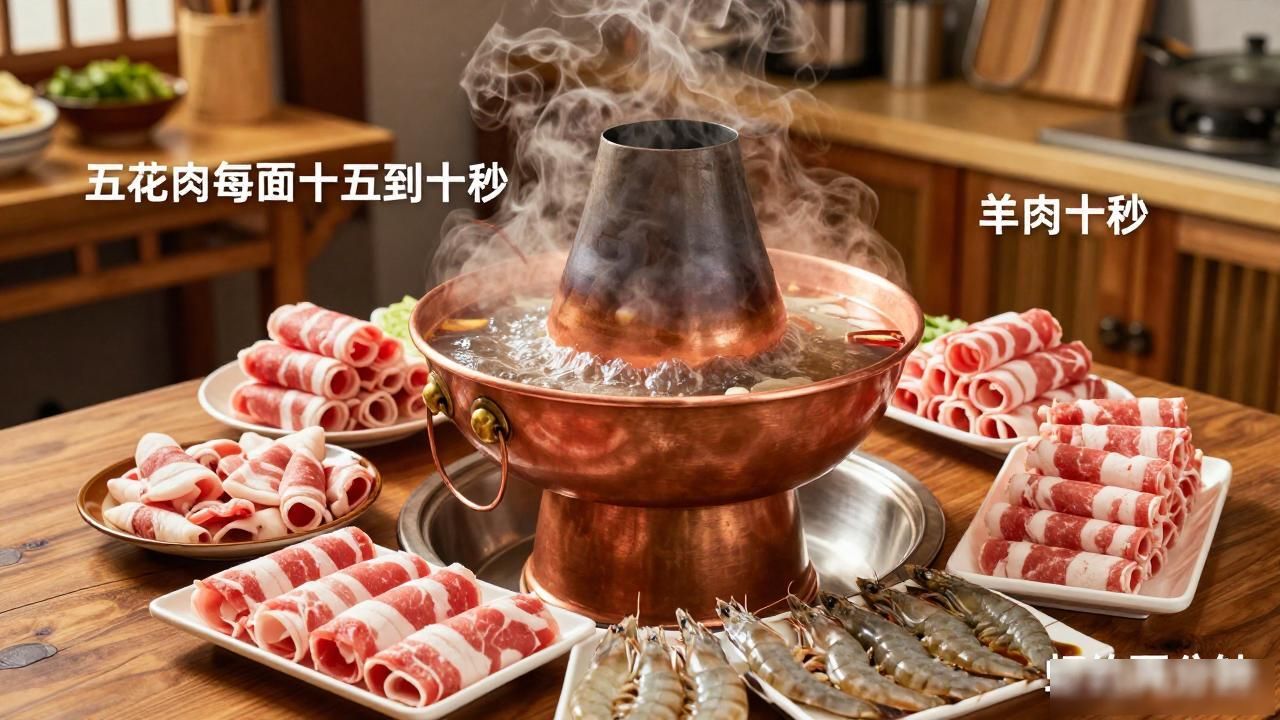
Hot pot is more than a meal — it is a ritual. A bubbling pot sits at the center of the table, surrounded by plates of raw ingredients waiting to be cooked. People from all walks of life gather around this shared pot,cooking their food together and building connection through the simple act of sharing a meal. Understanding hot pot cooking methods is essential for anyone who wants to enjoy this delicious dining experience properly.
How to Cook Ingredients in Hot Pot
The key to great hot pot lies in timing. Each ingredient demands a specific cooking duration, and getting this wrong can turn a fine meal into a disappointment. Thinly sliced beef should only sit in the boiling broth for a few seconds — maybe five to ten. Watch the meat change color from bright red to a warm brown, and remove it immediately. Overcooked beef becomes tough and chewy, ruining the whole experience.

Pork belly requires slightly more time. Give it fifteen to twenty seconds per side, allowing the fat to render while keeping the meat tender. Lambs love a gentle poach — ten seconds is enough. Shrimp needs about two minutes until the shell turns pink and opaque. The golden rule is simple: when in doubt, cook less and check often.
Vegetables follow their own timeline. Leafy greens like spinach or bok choy need only thirty seconds. Mushrooms benefit from a longer simmer of one to two minutes, developing a deeper umami flavor. Root vegetables such as daikon radish or lotus root require patience — three to five minutes lets them soften while holding their shape. Tofu skins and various processed items usually cook within one to two minutes.
Which Broth and Dipping Sauce Should You Choose
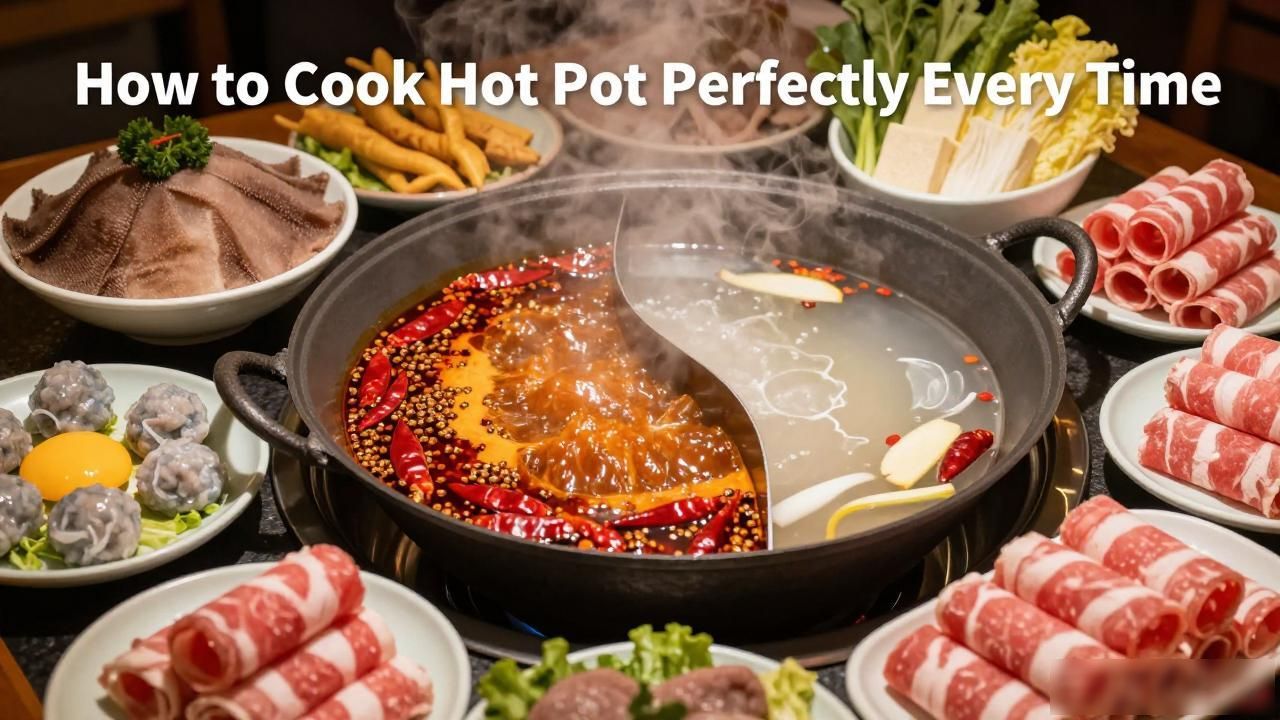
Broth selection shapes the entire character of your hot pot meal. The classic choice remains a split pot — half spicy, half mild. Sichuan broth delivers heat through generous amounts of doubanjiang, dried chilies, and Sichuan peppercorns, creating that signature numbing sensation. The clear broth side offers a gentle canvas perfect for delicate ingredients like fish slices and leafy vegetables.
Other popular broth varieties include tomato broth, which adds sweetness and acidity, and mushroom broth, favored by those seeking a savory depth without any spice. Don’t overlook the power of bone broth — rich with collagen and minerals, it creates an incredibly satisfying base that makes the final soup almost worth drinking on its own.
Dipping sauces are where personal expression shines. The most common approach combines sesame paste with Chinese black vinegar, fresh garlic, cilantro, and a dash of chili oil. Peanut sauce offers a thicker, nuttier alternative. For those who prefer lighter flavors, soy sauce mixed with rice vinegar and scallions works beautifully. Build your sauce gradually, tasting as you go, until it matches your preference perfectly.
What Makes Hot Pot Cooking Special
Beyond the technical aspects, hot pot represents something deeper in Asian culinary culture. The method itself encourages mindfulness — you must pay attention to each ingredient, respect the broth, and cooperate with others at the table. There is no rushing through hot pot. The slow rhythm of cooking and sharing creates natural conversation and connection between everyone present.
Modern adaptations have made hot pot accessible worldwide. Individual portable burners let you recreate the experience at home with minimal equipment. Pre-made broth bases eliminate the guesswork for beginners. Frozen ingredient packages from Asian supermarkets contain everything needed for a complete meal. The barrier to entry has never been lower, yet the depth of the tradition remains fully intact. Whether you prefer the fiery intensity of Chongqing hot pot or the gentle warmth of Taiwanese style, the method remains beautifully simple — throw ingredients into boiling broth, wait the right amount of time, dip, eat, repeat.