
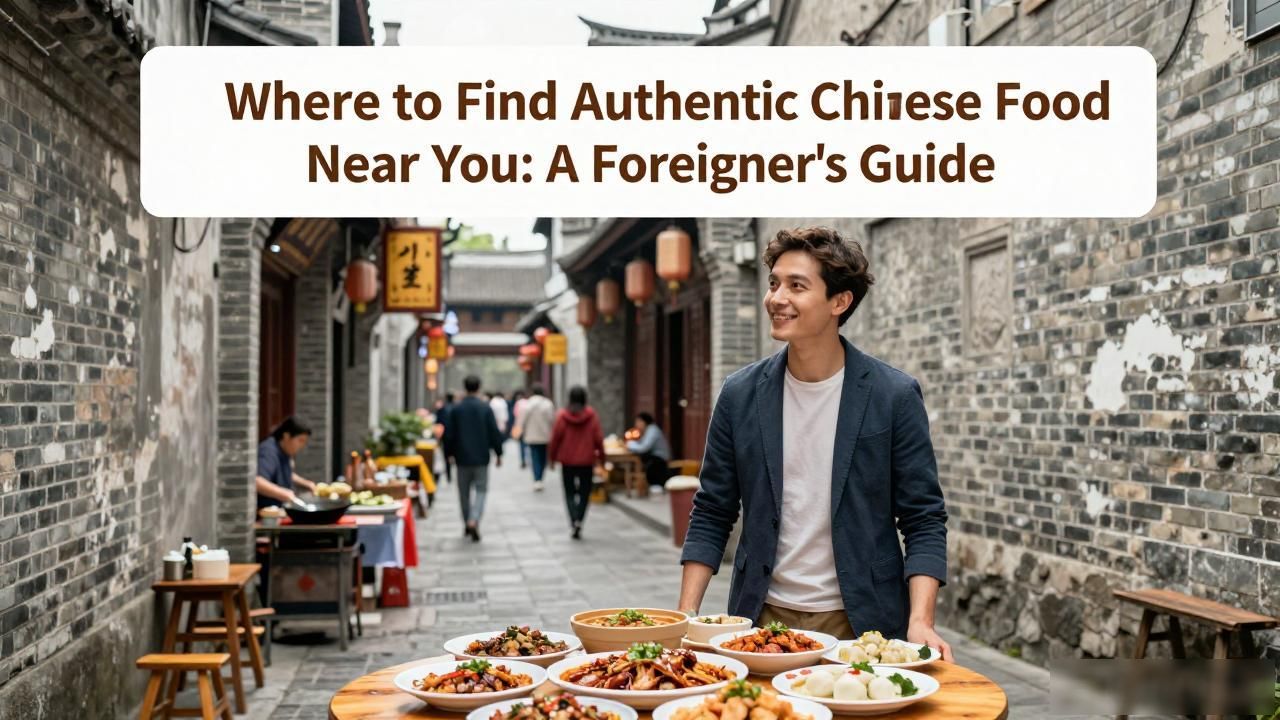
A lot of foreigners complain about Chinese restaurants in their area. They order sweet and sour pork and get something that tastes like candy. They ask for dumplings and receive flat, tasteless pockets of dough. The real issue is knowing what authentic Chinese food actually looks like. This guide will help you find the genuine article and order like a local.
How Do I Spot Real Chinese Restaurants
Walk past the bright red neon signs and the plastic menu displays on the sidewalk. Those usually belong to takeout joints that adapted their recipes for local palates decades ago. Look for places where you can see a kitchen through the window. Hear the wok singing. Watch steam billow out of woks being tossed over high flames.

Chinese food is not one thing. It changes dramatically from province to province. A restaurant specializing in Sichuan food will be completely different from one serving Cantonese dim sum. If the menu has only five pages and offers lo mein as the first option under noodles, keep walking. Authentic places usually have menus in Chinese only, with some photos for tourists.
Check what time people actually eat there. Real Chinese restaurants fill up at 6pm on weekdays. That means the food is fresh and cooked to order. Empty at dinner time usually means they rely on frozen pre-cooked meals heated up in microwaves.
What Dishes Should You Order
Kung Pao chicken on American menus is smothered in thick brown sauce with extra peanuts. Real Kung Pao from Sichuan is dry-fried, spicy, with a kick of Sichuan peppercorns that numbs your lips. You want to feel that tingle. Try mapo tofu instead. Silky tofu swimming in a chili-bean sauce with ground pork. That is the heart of Chengdu cooking.
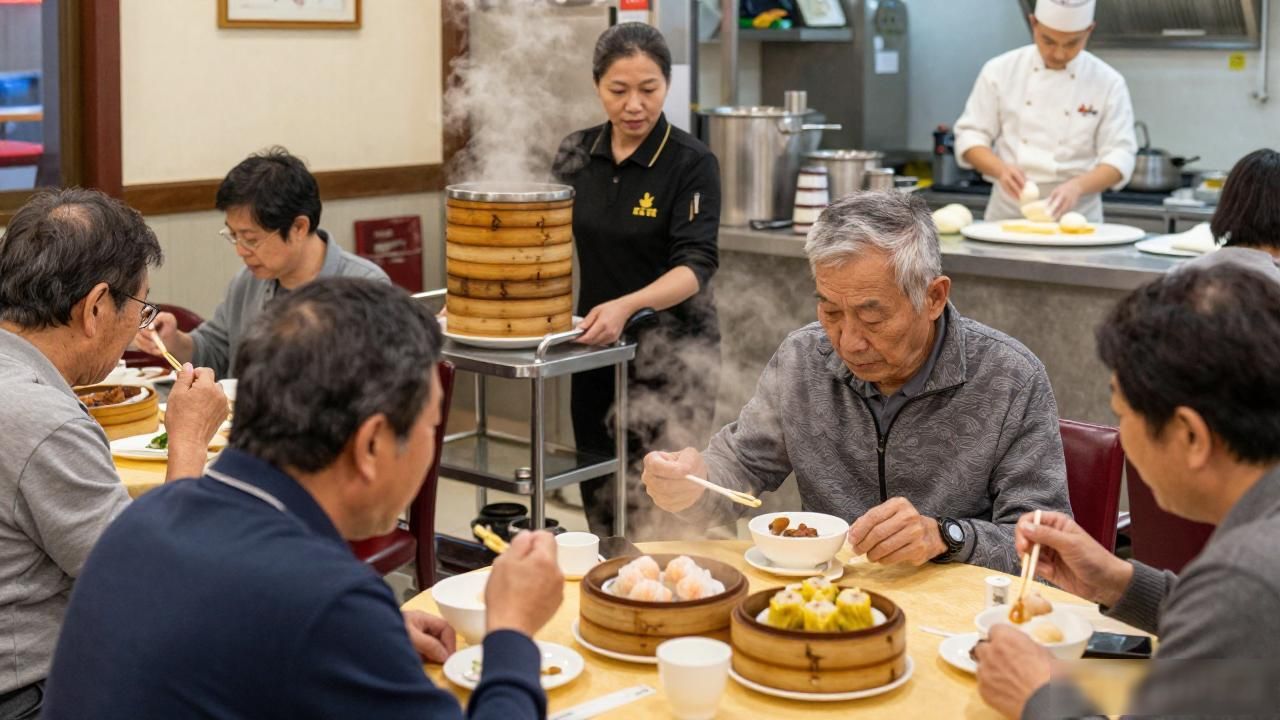
Dim sum restaurants serve real stuff if they have elderly Chinese people eating there. Order shumai and har gow. The best ones fold the dumpling skins by hand, thin as paper but strong enough to hold the filling. Listen for the clatter of bamboo steamers being carried around on carts. That sound means freshness.
Hot pot is probably the most social Chinese meal you can try. Pick a place where broth boils at your table. Raw ingredients sit on plates right in front of you. Slide the beef, the mushrooms, the lotus root into the bubbling broth yourself. This interactive style connects you directly to how Chinese families actually eat together.
Why Does Everything Taste Different
Chinese cooking depends on heat control, fresh ingredients, and balance. A proper stir-fry happens in seconds over incredible flame. The vegetables stay crisp. Meat stays tender. Everything arrives at the table sizzling. Western kitchens often cook at lower temperatures for longer, which turns stir-fries into steamed mush.
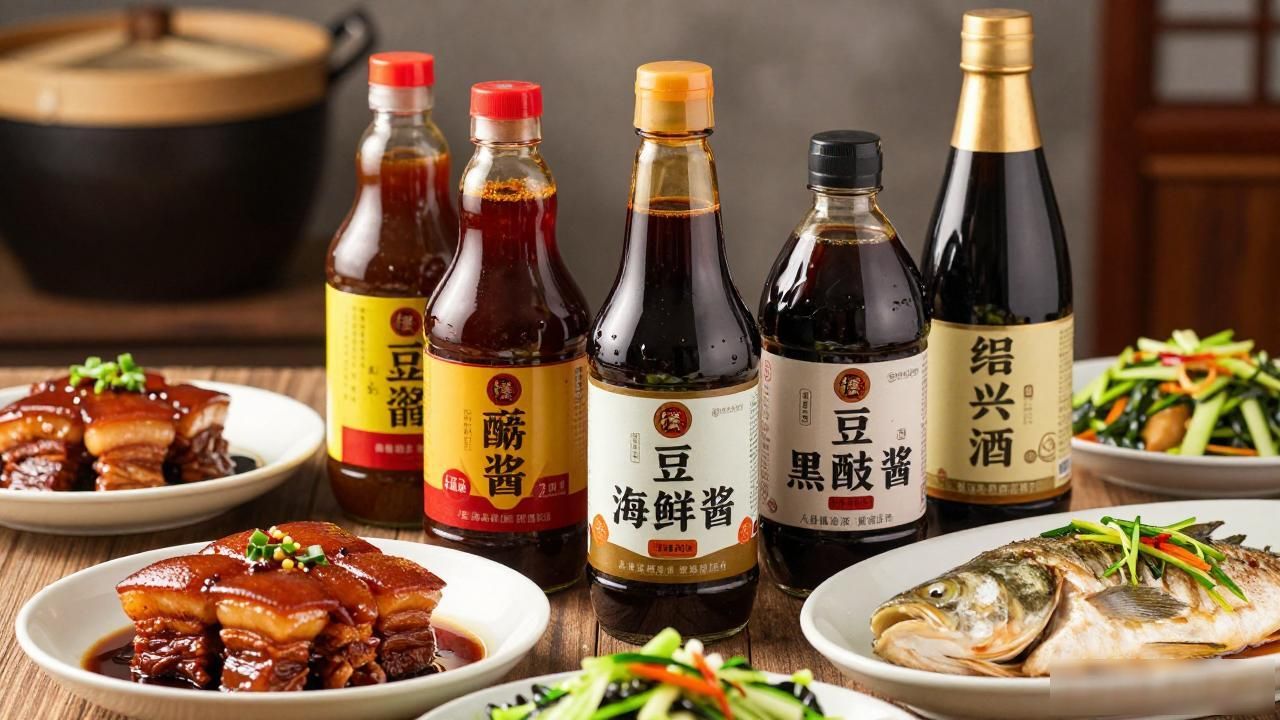
Sauce philosophy differs too. Chinese sauces are built from fermentation. Doubanjiang, hoisin, black bean sauce, Shaoxing wine. These create layers of umami that ketchup and sugar never will. When you bite into properly prepared food,you should taste complexity, not just salt and sweetness.
Visit Chinatown on a Sunday morning. Follow the locals to breakfast spots where they sip soy milk and eat youtiao, those fried dough sticks. That simple meal represents centuries of culinary tradition. The bread is pulled, twisted, and fried at exactly the right temperature. Nothing complicated about it. Everything perfect.
Finding genuine Chinese food requires looking beyond the obvious signs. It means walking into small places with no English on the door. Ordering things you cannot pronounce. Trusting that the steam rising from the kitchen holds the truth your taste buds are searching for.