
The Palace Museum in Beijing, also known as the Forbidden City, houses one of the world’s greatest collections of Chinese imperial artifacts. Over a million objects fill its ancient halls, ranging from golden ceremonial vessels to delicate porcelain and jade carvings. For visitors wandering through its red walls and yellow roofs, the sheer volume of treasures can feel overwhelming. Yet certain pieces stand out, capturing centuries of craftsmanship, power, and artistic devotion.
What Are the Most Famous Palace Museum Treasures

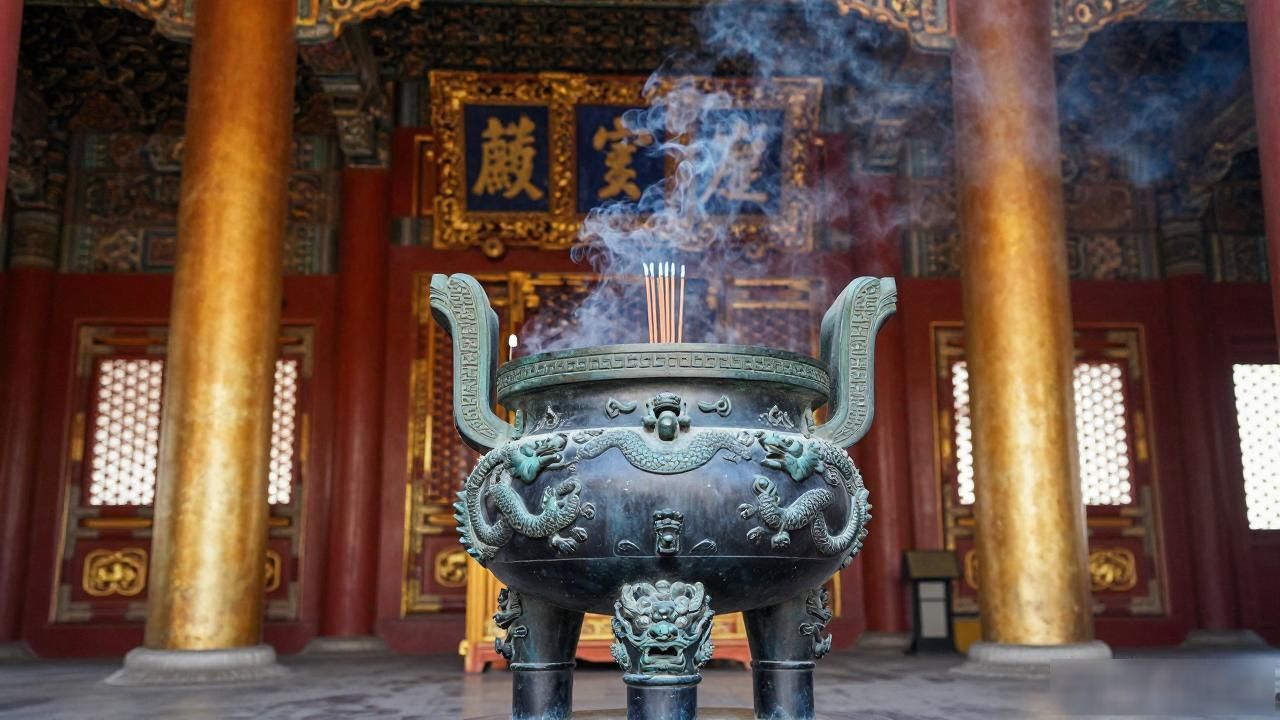
The Ming and Qing Dynasty Bronze Incense Burner sits in the Hall of Supreme Harmony, its surface covered in intricate dragon motifs. It was designed to burn precious sandalwood during imperial ceremonies, and the smoke rising from its openings was meant to symbolize prayers reaching the heavens. Another celebrated piece is the enamel cloisonné vase, its cobalt blue background studded with vibrant floral patterns. Each detail required months of labor by master artisans.
The Jade Dragon Seal, carved from a single piece of white jade, served as the imperial seal bearing the characters meaning “Mandate of Heaven.” Its surface bears subtle weathering that tells the story of countless dynasties. The collection also includes Emperor Qianlong’s personal study artifacts, including jade brushes and inkstones so finely carved they seem almost translucent.
Which Palace Museum Treasures Reveal Imperial Daily Life
Beyond grand ceremonial objects, many treasures offer intimate glimpses into the private world of Chinese emperors. The Gold Thread Embroidered Robe of Emperor Yongzheng displays thousands of individual stitches forming clouds, dragons, and phoenixes across silk fabric. Worn during important court events,it weighed nearly four kilograms. The imperial kitchen preserved enormous silver bowls used during banquets, some large enough to hold hundreds of servings.
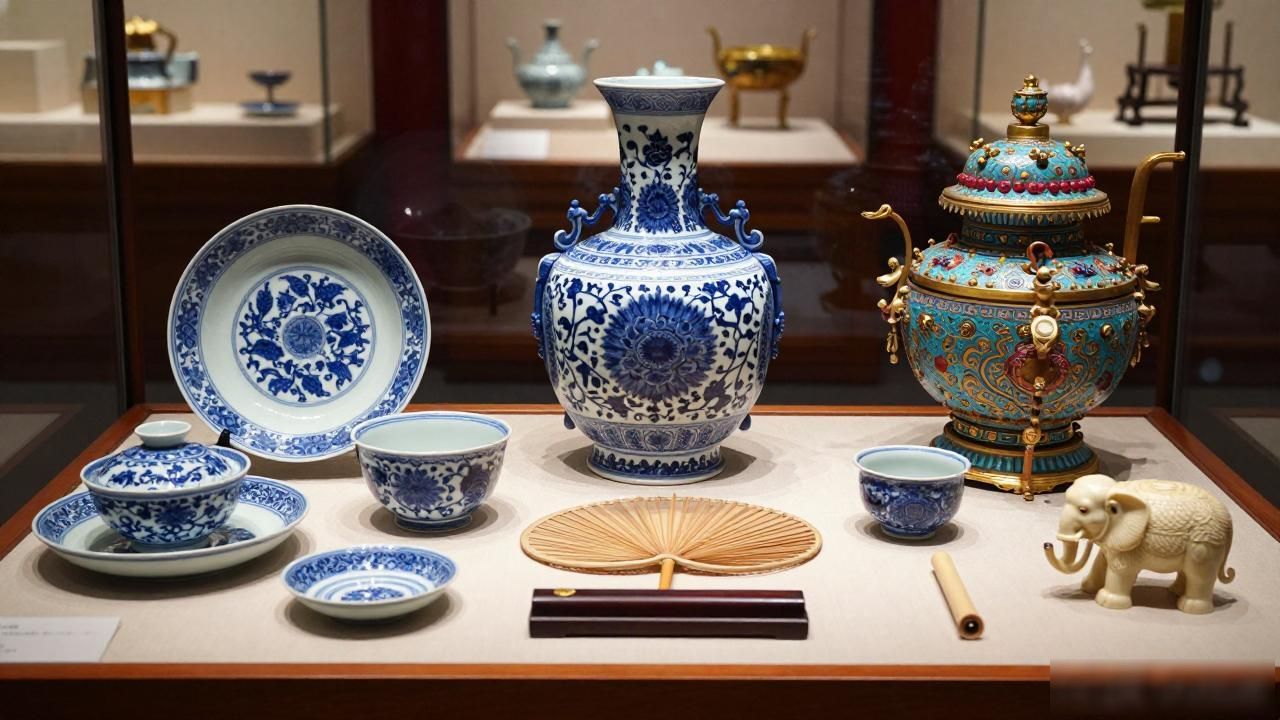
The porcelain tableware collection reveals how emperors dined, with pieces painted in understated blue and white contrasting sharply with the opulent enamel works. Even seemingly simple items like bamboo-handled fans or carved ivory paperweights carried immense symbolic value. These objects remind us that imperial luxury extended far beyond architecture into the smallest daily encounters. The Treasure Gallery on the eastern side of the complex showcases these personal items alongside scholarly instruments and seasonal gifts exchanged within the imperial household.