
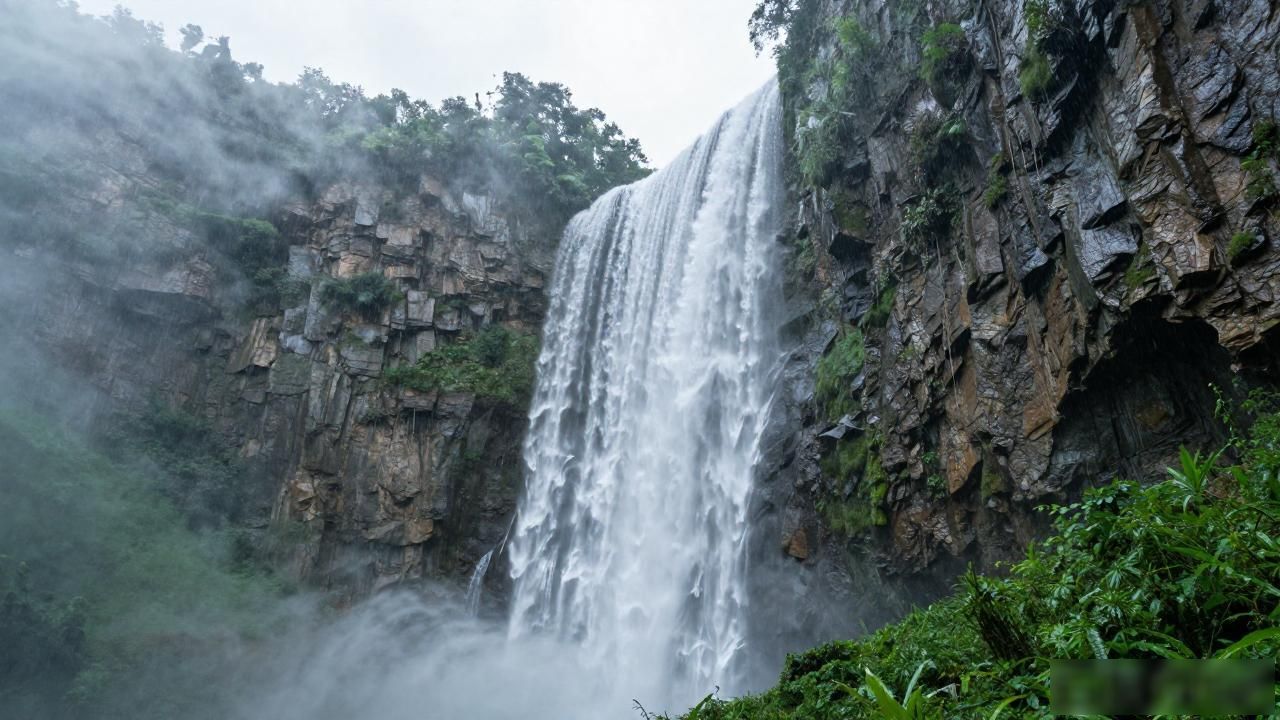
Where Do Zhangjiajie Waterfalls Live?
Zhangjiajie waterfalls are scattered throughout the mountain ranges of Hunan Province, waiting for travelers who dare to look beyond the famous glass bridge and aerial cable car. Most visitors rush through the national forest park to photograph the quartz-sandstone pillars rising from the mist, then leave without discovering that the real magic happens downstream—where water carves through ancient rock and creates dozens of hidden cascades most tourists never see.
The best Zhangjiajie waterfalls cluster in three areas: the Wulingyuan Scenic Area, the Tianmen Mountain region, and the lesser-known Yangjiajie Forest Park. Each zone offers something different—some waterfalls plunge hundreds of meters into crystal-clear pools surrounded by bamboo forests, while others form ribbon-like streams that cascade over moss-covered boulders in valleys where the humidity keeps the air thick enough to taste.

I spent three weeks photographing these waterfalls during monsoon season, and what struck me most was how they change depending on rainfall. During dry months, some become trickles, but heavy rain transforms them into roaring torrents that shake the ground beneath your feet. The Five-Bus Canyon waterfall near Wulingyuan exemplifies this drama—its 380-meter drop vanishes completely when drought hits but returns with violent fury after summer storms.
Which Waterfall Should You Visit First?
If you only have time for one Zhangjiajie waterfalls experience, choose Five-Bus Canyon or Baonuo Waterfall, both accessible via short hikes from the main scenic areas and offering dramatic views without requiring expert mountaineering skills. Five-Bus Canyon features a series of five interconnected waterfalls that flow like a serpent through the gorge,while Baonuo delivers a single thunderous drop into a pool so clear you can watch fish swim twenty meters below even during peak tourist season.
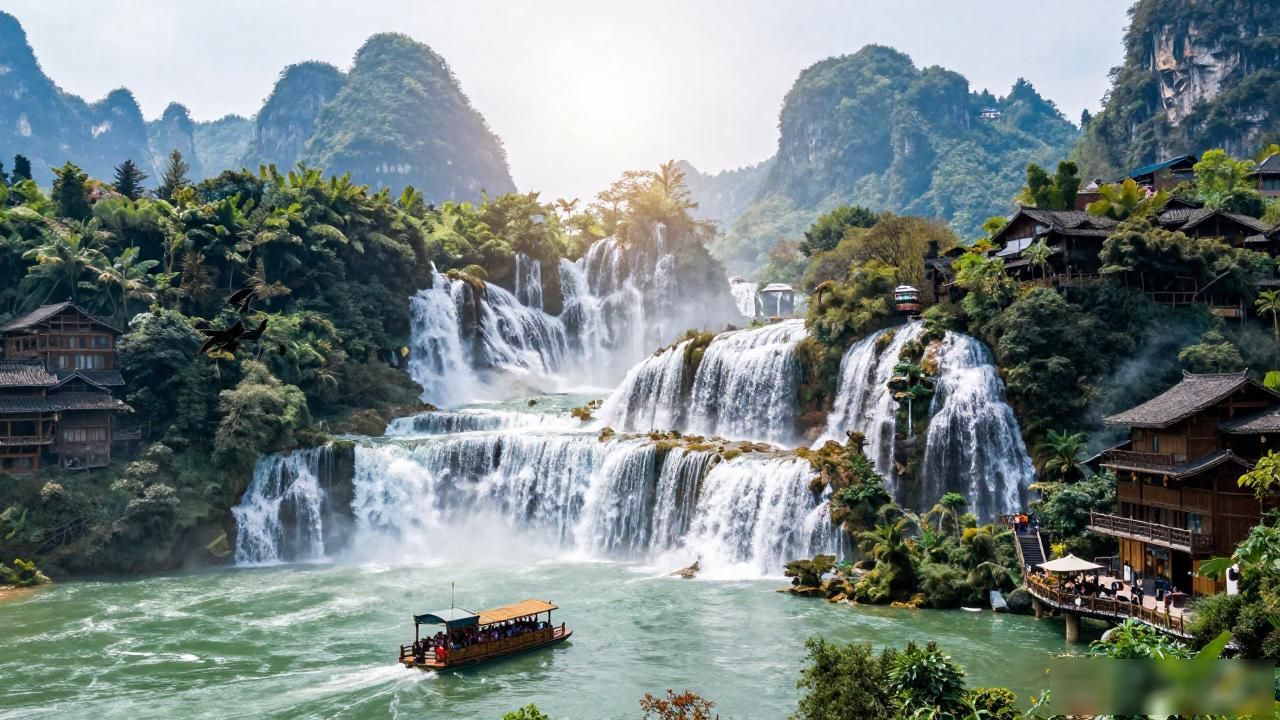
The journey to these waterfalls is part of the adventure. From Zhangjiajie city center, buses run every thirty minutes to Wulingyuan, then you transfer to shuttle boats that navigate the Yuanjiajie River toward the canyon trails. Along the way, you pass through villages where Tujia ethnic minority women sell bamboo baskets filled with wild mushrooms—perfect fuel for the steep climbs ahead.
For those seeking solitude, skip the crowded summer months and visit in late autumn when the ginkgo trees turn gold and the waterfalls slow to gentle flows perfect for swimming. The Golden Whip Stream waterfall near Yangjiajie becomes a serene ribbon in October, while the surrounding maple leaves create reflections that rival any Japanese temple garden.
What Secrets Hide Behind These Cascades?
Behind Zhangjiajie’s waterfalls lie stories that most guidebooks ignore. Local legends claim that the mountain spirits created these cascades to wash away the sins of greedy emperors who once tried to harvest the ancient trees growing along the riverbanks. While historians dismiss these tales as folklore, the ecological damage from logging campaigns during the 1950s left visible scars on cliff faces that still weep water decades later—a reminder that nature’s beauty often masks fragile balance.
More recently, the Chinese government’s 2021 zoning laws designated certain waterfall areas as protected habitats for the yellow-nosed macaque, a primate species found nowhere else on Earth. These clever monkeys have learned to exploit the waterfalls for cooling during heatwaves, often stealing sunscreen bottles from careless tourists who forget to close their bags.
Whether you’re chasing photographic perfection or simply seeking quiet moments beside rushing water, Zhangjiajie waterfalls offer something unexpected: mountains that breathe through their stone veins, reminding visitors that the world’s most breathtaking landscapes often hide waterfalls designed not for Instagram feeds but for souls hungry for wonder.