
Getting a SIM Card in China as a Foreign Visitor
China uses a different mobile network system than most countries, which can confuse first-time visitors. The key issue is that your phone needs to be unlocked and compatible with Chinese 4G/5G bands before you can simply swap in a local SIM card. Most travelers face two main options when arriving: buying a tourist SIM at the airport or arranging one through their hotel or a travel agency.
Airport kiosks are the easiest choice since they’re located right after immigration at major cities like Beijing, Shanghai, and Guangzhou. You will need your passport for registration because Chinese law requires all SIM cards to be tied to a real identity. The process takes about ten minutes if the queue is short, but during peak travel seasons you might wait longer. Staff at these counters speak basic English and can help you activate the card within minutes of payment.
Hotels and travel agencies offer a more relaxed alternative if airport lines feel overwhelming. Many mid-range and luxury hotels have partnerships with China Mobile or China Unicom where they can arrange everything for you before arrival. This option often includes a welcome call with troubleshooting support, which proves valuable when you first need to make a local call or set up mobile payments on WeChat and Alipay.
Which Network Provider Should You Choose
China has three major telecommunications companies, each with different strengths for foreign visitors. China Mobile covers the widest geographic area including remote villages and rural tourist destinations. If your itinerary involves trekking to places like Guilin or Yunnan province, China Mobile gives you the best chance of staying connected throughout your journey. Their 4G and 5G networks reach areas where competitors sometimes drop signal.
China Unicom stands out in urban areas with competitive pricing and straightforward tourist packages. Their SIM cards work seamlessly with international phones and include decent data allowances for social media, maps, and translation apps. The company partners with several global airlines and travel platforms, making it easy to purchase a package online before you even board your flight. Many travelers appreciate the option of having everything delivered to their hotel upon arrival.
China Telecom offers budget-friendly plans but has weaker coverage outside major metropolitan areas. For city-focused trips where you stay in Shanghai, Hangzhou, or Shenzhen, this could save you money without sacrificing essential connectivity. The company’s customer service is less English-friendly compared to the other two providers,so you should be prepared with a translation app or a Chinese-speaking companion if issues arise during activation.

Understanding Pricing and Data Allowances
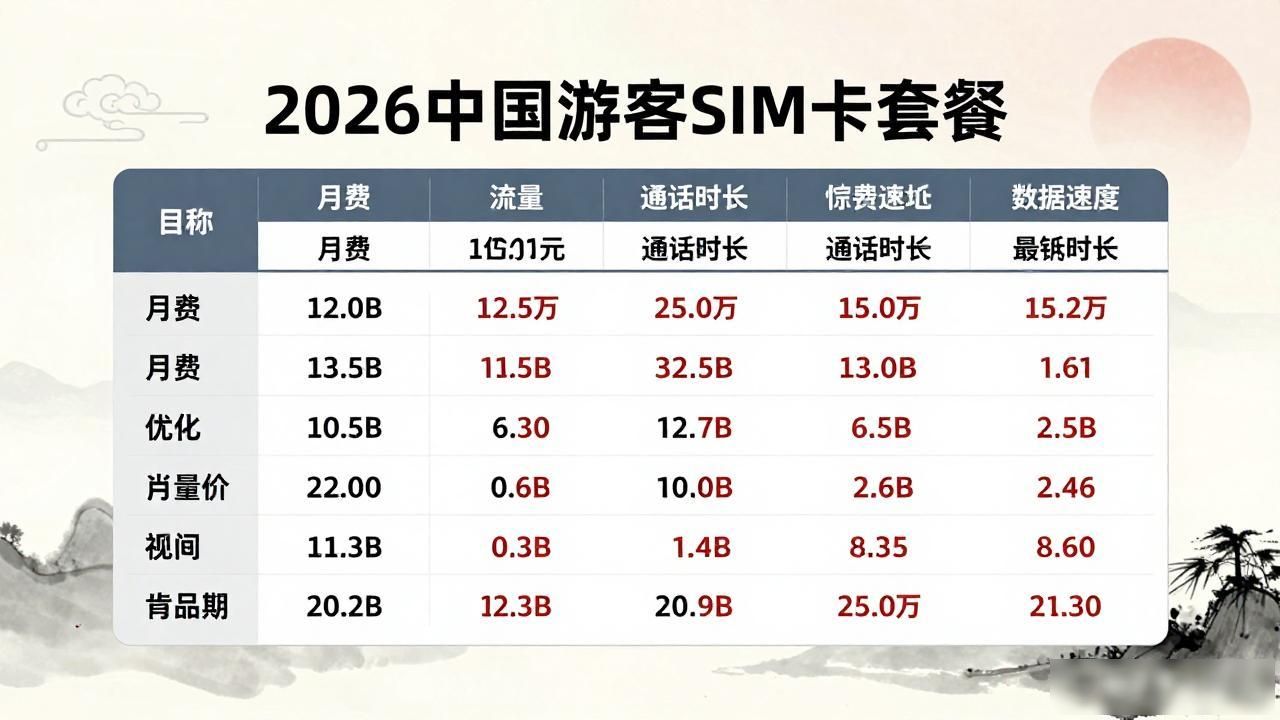
Tourist SIM packages in China vary significantly based on duration, data limits, and included features. A typical seven-day plan costs between fifty and one hundred yuan and includes several gigabytes of high-speed data plus unlimited calls to local numbers. These packages usually come with some international calling credit, which helps when contacting your embassy or booking return flights.
Longer stays benefit from thirty-day plans that offer better value per day and sometimes include roaming credits for neighboring countries like Hong Kong or Macau. If you plan to visit both mainland China and special administrative regions, check whether your SIM works across borders before purchasing to avoid unexpected charges. Most major providers now offer seamless roaming packages specifically designed for cross-border travelers.
Payment methods for tourist SIM cards are increasingly flexible. Credit cards work at airport kiosks and major retail stores, while mobile payments through Alipay or WeChat Pay are accepted at most official stores. Cash remains useful at smaller kiosks and some hotel concierge desks, so carrying both options ensures you can complete your purchase regardless of the location.
Setting Up Mobile Payments and Essential Apps
Having a working Chinese SIM card unlocks access to mobile payment systems that most locals use daily. WeChat Pay and Alipay dominate the market for everything from street food to luxury shopping, and both require a verified Chinese phone number for registration. Set up your payment accounts immediately after activation to avoid missing out on convenient transactions throughout your trip.
QR code payments have replaced cash and cards in many situations across China. From subway tickets to hotel check-ins, scanning a code takes seconds and eliminates the need to carry physical money. Tourists who learn this system early find their travel experience dramatically smoother and more enjoyable. Some merchants still accept cash, but you should not rely on this option when visiting popular destinations where digital payments are standard practice.
Download the necessary translation and navigation apps before arrival since these tools work hand in hand with your mobile connectivity. Baidu Maps serves as the Chinese equivalent of Google Maps and works reliably with a local SIM card. WeChat includes built-in translation features that help when reading menus or understanding signs in unfamiliar cities. Having these apps installed before you land ensures you can navigate China confidently from the moment you exit the airport.
This guide covers everything foreign visitors need to know about staying connected while exploring China. Remember to bring an unlocked phone, carry your passport, and set up mobile payments early to maximize your travel experience. Safe travels!