
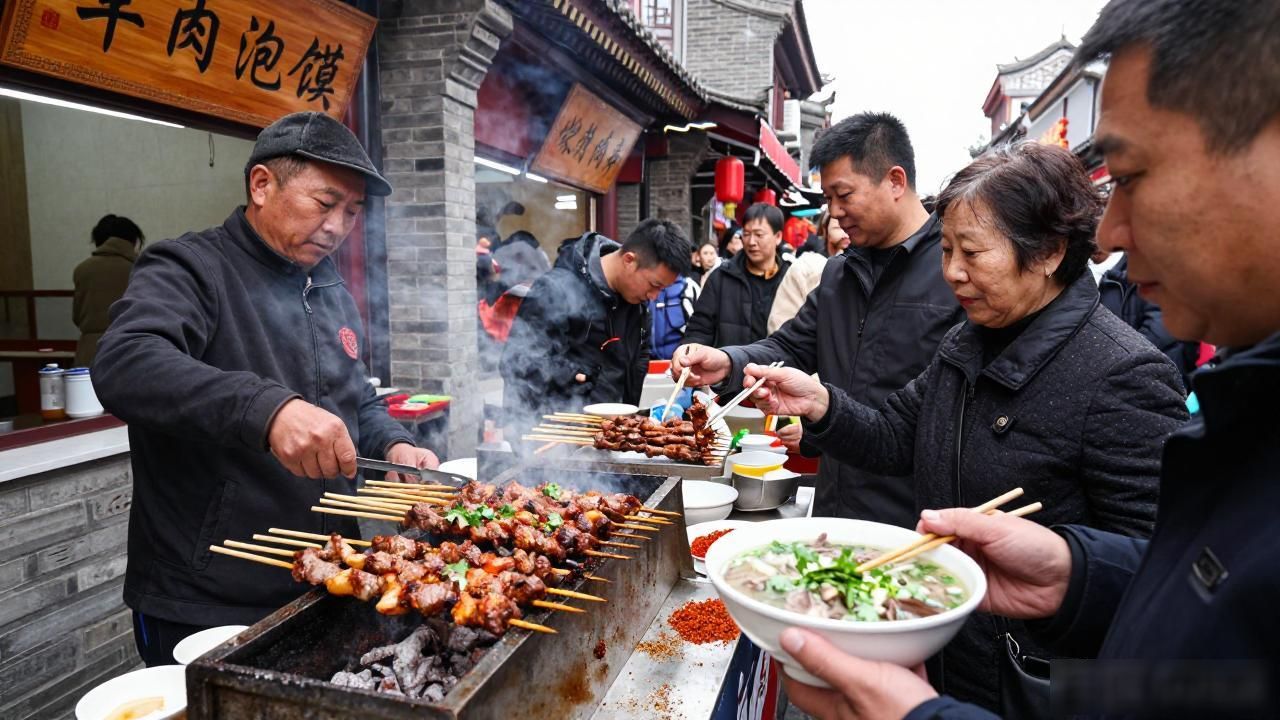
Walking through the old city walls of Xi’an feels like stepping back in time. This ancient capital, once the eastern terminus of the Silk Road, carries centuries of culinary traditions in every bite. The food here tells stories of trade routes, dynasties, and ordinary people who turned simple ingredients into something extraordinary. For travelers seeking genuine cultural experiences, Xi’an’s streets offer something no fine dining restaurant ever could.
What Makes Xi’an Food Different from Other Chinese Cuisines
Xi’an food stands apart from the softer,sweeter dishes you find in southern China. This is northern Chinese cuisine at its heart – bold, hearty, and unapologetically spicy. Wheat dominates here instead of rice, shaping everything from noodles to dumplings to flatbreads. The climate shaped these choices too. Cold winters demanded filling meals that could sustain workers through long days.

The city’s location along the Silk Road brought influences from Central Asia, the Middle East, and beyond. Muslims settled here generations ago, creating a unique fusion you won’t find anywhere else in China. Lamb replaces pork in many dishes. Cumin, coriander, and chili peppers arrived via ancient trade routes and became essential to the local palate.
Where to Find the Best Street Food in Xi’an
The Muslim Quarter, or Huimin Jie, remains the undisputed heart of Xi’an’s street food scene. Narrow alleys packed with vendors line the streets near the Great Mosque. The aromas hit you before you even see the stalls – sizzling lamb, frying dough, boiling broth. Come hungry and wear comfortable shoes. The crowds are real, especially during evening hours when locals and tourists collide.
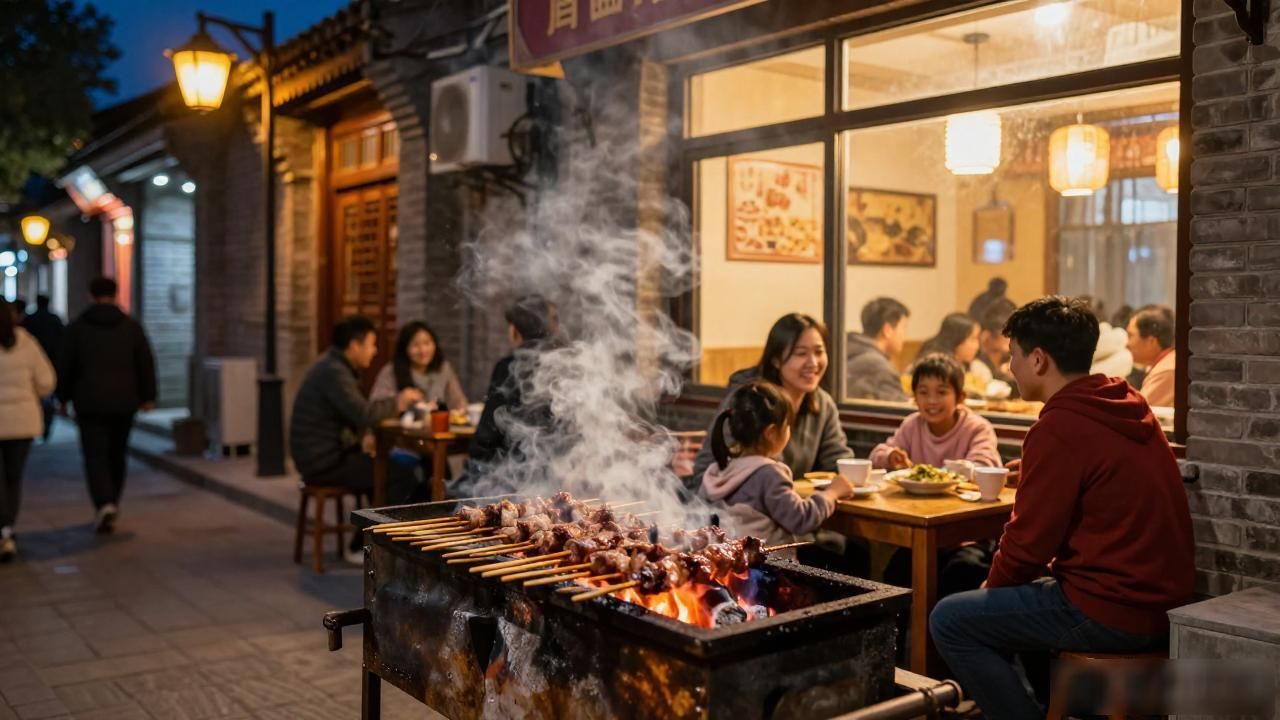
Beyond the Muslim Quarter, side streets hide smaller operations worth seeking out. Late-night noodle shops serve bowls that stay open until past midnight. Summer evenings bring vendors to neighborhood corners, grilling skewers over charcoal fires. These are places where young families gather after work, where students skip classes to grab quick bites between lectures.
Standing in line for five minutes to buy roujiamo – Chinese hamburgers stuffed with slow-cooked beef or pork – means joining a daily ritual unchanged for centuries. The bread comes crispy on the outside, soft within. The meat shreds easily, soaked in spiced broth. Locals eat standing up, often while checking phones or chatting with neighbors. This is not tourist theater. This is daily life, served on paper plates.
Understanding Xi’an Food Culture Through Eating
Western visitors often approach Xi’an food with expectations shaped by American-Chinese restaurants. Those expectations will disappoint and then surprise you. Here, food carries weight beyond nutrition. Meal times structure the day. Food choices signal belonging. Sharing dishes builds relationships that money cannot purchase.
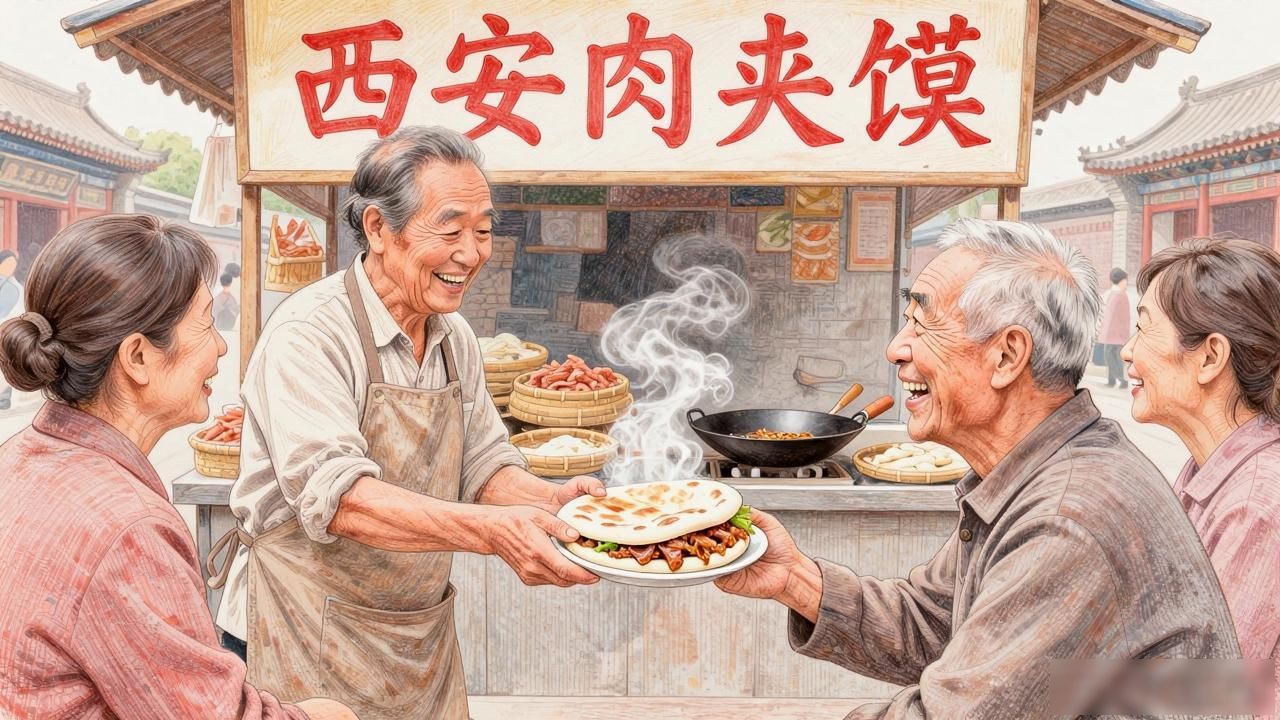
Street vendors know regular customers by name. They remember preferences, ask about family, and occasionally slip extra portions onto plates for loyal patrons. Eating becomes conversation. The language barrier melts away when someone slides across a steaming bowl and smiles. You eat what they eat. You taste what they have always tasted.
The best meals happen when you stop treating Xi’an food as an exotic adventure and start seeing it as invitation. Let the cumin-lamb skewers speak for themselves. Let the hand-pulled noodles demonstrate skill passed down through generations. Try everything, even the things you cannot pronounce. Regret comes far less often than delight in this city.
Food here represents resilience and openness – qualities forged through dynasties rising and falling, through wars and peace, through millennia of merchants passing through. Every bowl of yangrou paomo, every plate of liangpi, carries forward that spirit. Eating in Xi’an is participation in history, one delicious bite at a time.