
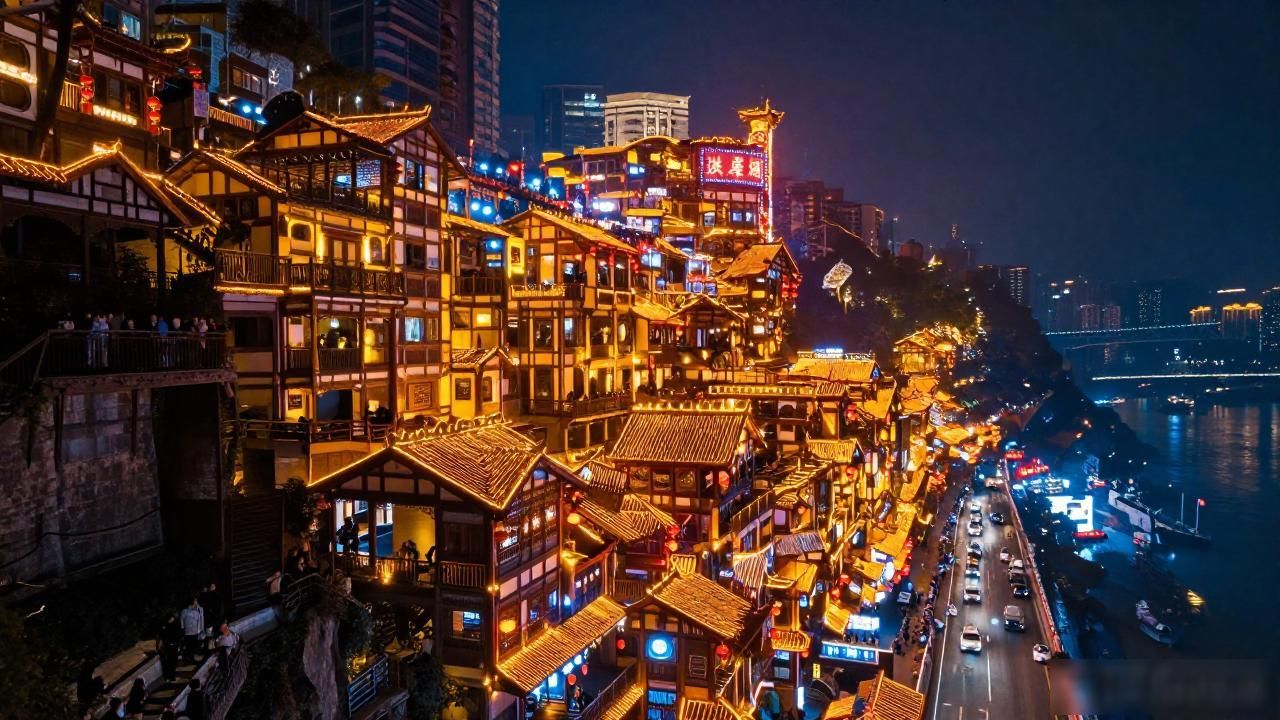
When people talk about Chongqing, they usually picture spicy hotpot, dizzying elevated highways, and a city that seems to defy every rule of urban planning. As a traveler who has spent years exploring this mountain city, I can tell you that Chongqing is not just a stopover for panda tours—it’s a destination in its own right. The city’s unique geography, where the Yangtze and Jialing rivers meet, creates a landscape you simply won’t find anywhere else in China. Let me walk you through the places that genuinely deserve your time.
What makes Chongqing’s attractions so special

The first thing you need to understand is that Chongqing’s attractions are deeply tied to its terrain. This is a city built on mountains, so many sights are literally stacked on top of each other. Hongya Cave, for example, looks like a glowing pagoda village clinging to a cliff face. You walk in on the ground floor, and by the time you reach the top, you’re actually on a main road that’s nine stories above the river. That kind of spatial confusion is part of the charm. The city’s famous light rail train passing through a residential building at Liziba is another perfect example—it’s not a gimmick, it’s just how the city works.
Which spots should be on your must-see list
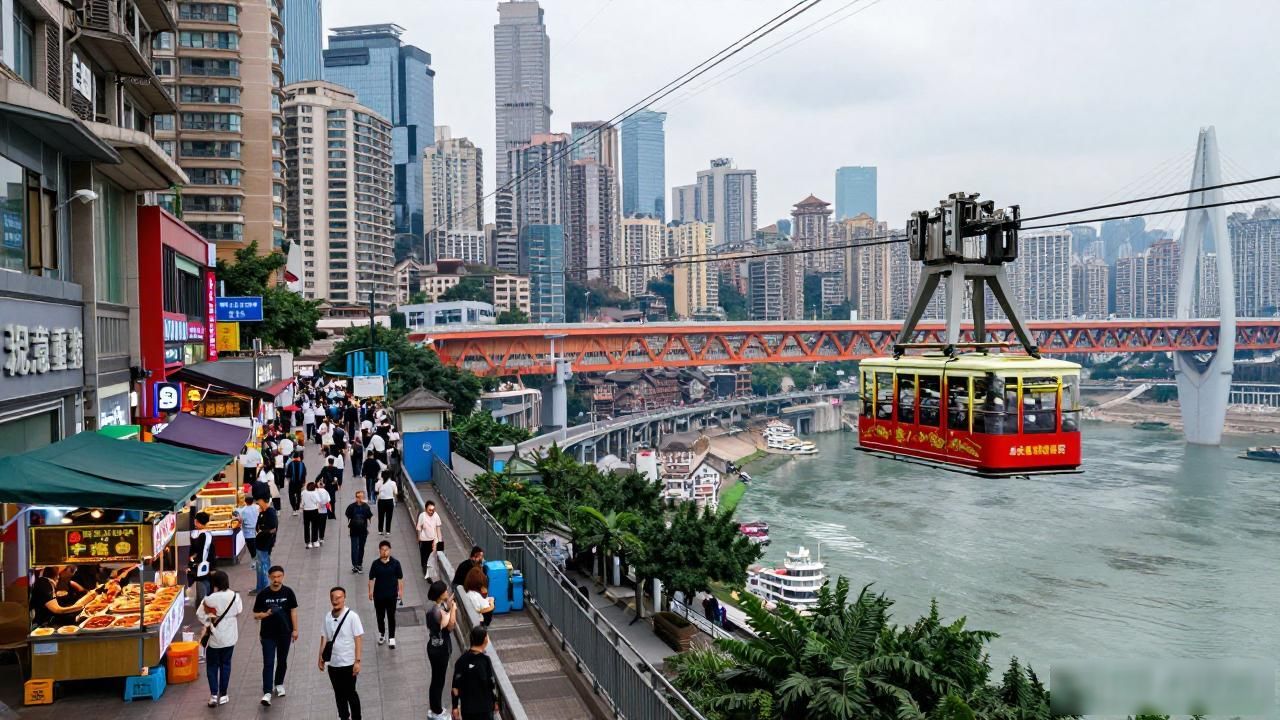
If you only have a few days, prioritize the ones that capture the city’s essence. Jiefangbei and the surrounding pedestrian street is the commercial heart, always buzzing with locals and street food vendors. Not far away, the Yangtze River Cableway gives you a bird’s-eye view of the river and the dense skyline—it’s a bit touristy, but the perspective is worth it. For something quieter, head to Ciqikou Ancient Town. Yes, it’s crowded on weekends, but early mornings reveal a slower, more authentic side of old Chongqing, with teahouses and stilt houses that have been there for generations. And don’t skip the Three Gorges Museum if you want context for the region’s history and the massive dam project that reshaped it.
How to plan your time wisely
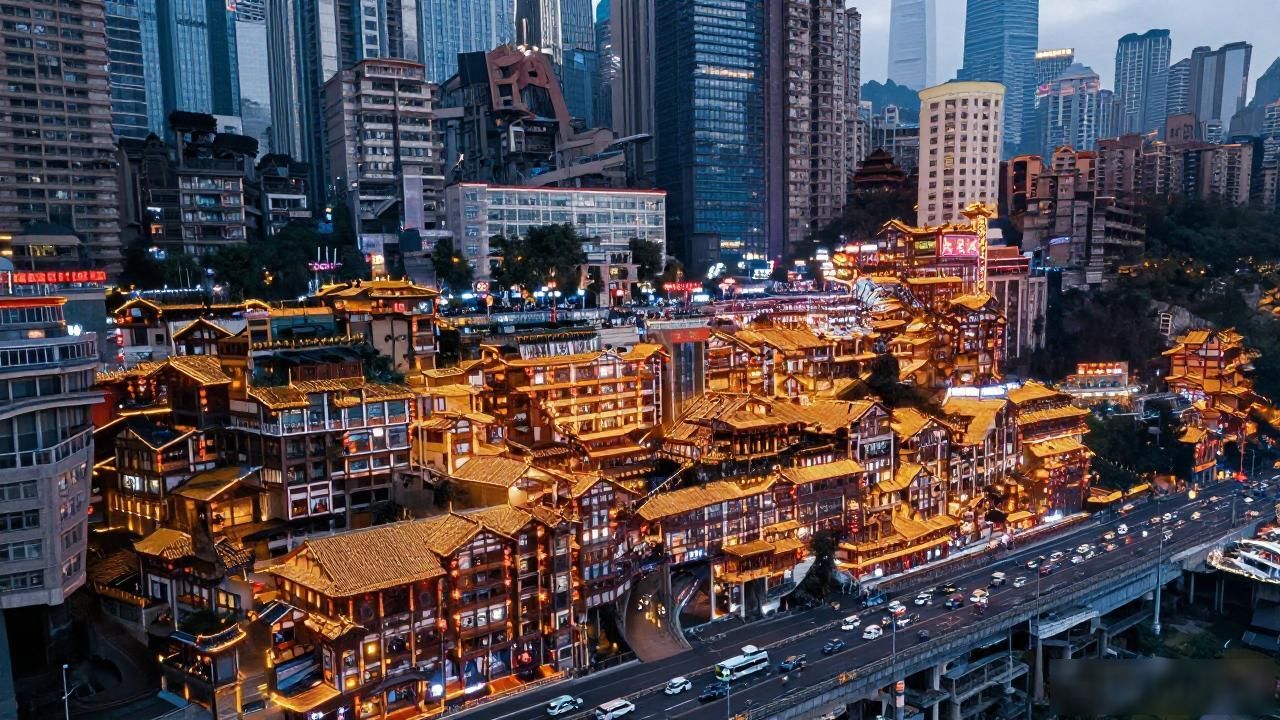
Chongqing is huge, and the distances between attractions can be deceiving. The city’s public transport is excellent, but walking is often faster than taking a taxi because of the hills and one-way streets. I’d suggest grouping your days by area: one day for the central districts like Jiefangbei and Hongya Cave, another for the cultural sites like Ciqikou and the museum,and a third for day trips to nearby spots like Dazu Rock Carvings, which are a UNESCO World Heritage site and absolutely stunning. Also, keep in mind that Chongqing’s weather can be foggy and humid, so bring comfortable shoes and a light rain jacket. The city’s night views are legendary, so make sure you catch the skyline from the Nanbin Road promenade after sunset—it’s a memory you’ll carry for a long time.
Chongqing rewards travelers who come with curiosity and a bit of patience. It’s not a city that reveals itself instantly, but once you get past the initial chaos, you’ll find a place full of character, warmth, and unforgettable sights. Plan well, walk a lot, and let this mountain city surprise you.