
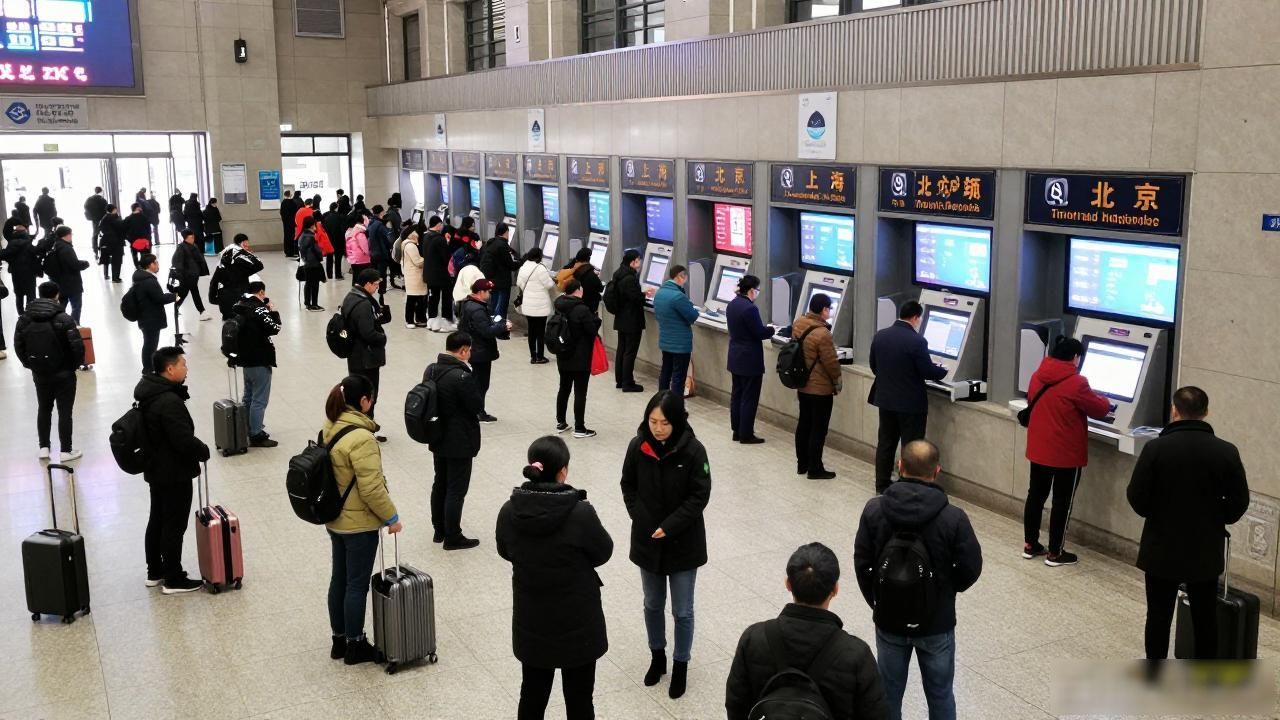
A trip across China becomes so much easier when you know how to use its transport network. China public transportation has grown into one of the most impressive systems in the world, and getting around is cheaper and faster than most visitors expect. I traveled through fourteen Chinese provinces last year using only trains, subways, and buses. What I learned might save you hours of confusion and a lot of money.
How do Chinese high speed trains work
China’s bullet train network stretches over 45000 kilometers. That is more than the rest of the world combined. You board at any major station with a passport and a ticket bought online through or Ctrip. The green and white trains leave on time and arrive on time. Seats are comfortable. There is power at every table. Luggage goes above your head or in large racks at each car entrance.

Buy tickets ahead if you travel during holidays. The Spring Festival period turns every station into a war zone. A normal weekday is quiet and easy. Staff at big stations speak some English. Small stations may have no English speakers at all. Write your destination in Chinese characters and show it to anyone nearby. This works everywhere.
Which metro systems are best for visitors
Every major Chinese city has a subway. Shanghai has seventeen lines. Beijing has twenty seven lines. The metro in Beijing covers most tourist spots. You ride from Tiananmen Square to the Forbidden City in four minutes. From there it is three stops to the Temple of Heaven. All signs are in English and Chinese. Station maps are clean and easy to read.
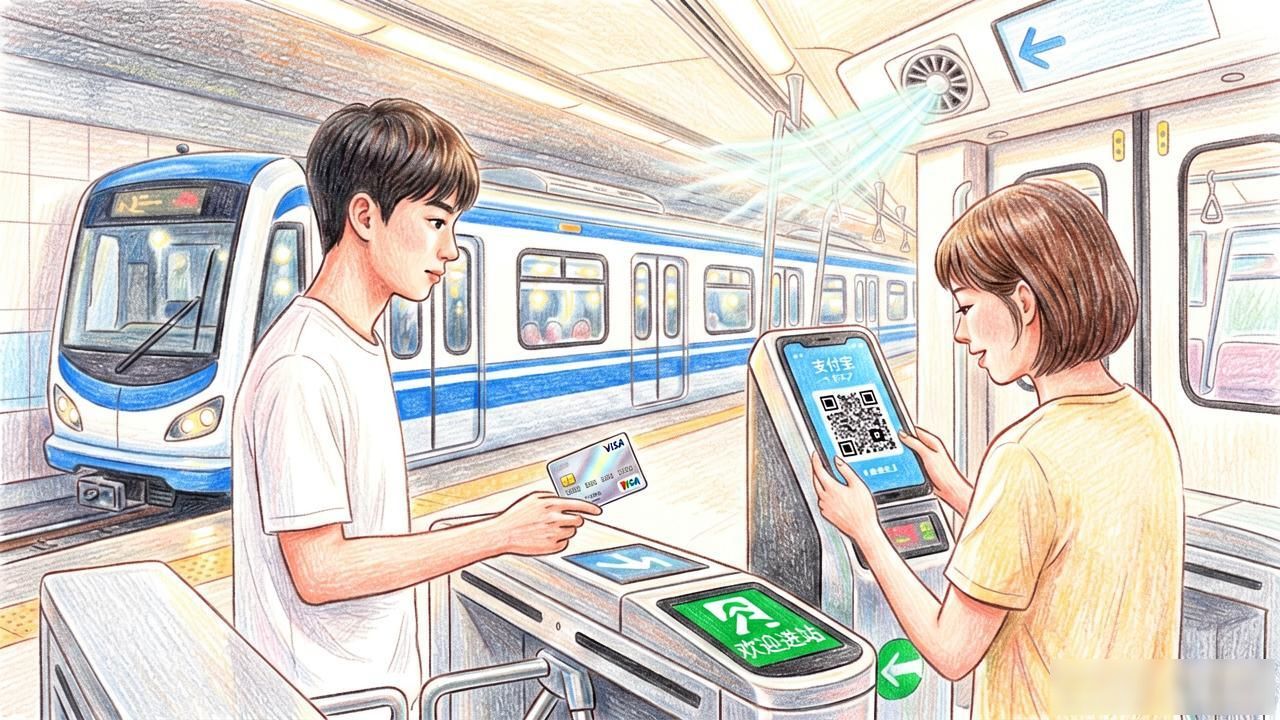
Payment is simple. Tap a Visa or Mastercard at the gate or scan the Alipay transit code after linking your card. You do not need to buy paper tickets anymore. Trains run every two to four minutes during rush hour. They run every five to eight minutes later in the day. The AC is strong even in summer.
Can foreigners use city buses in China
City buses are the cheapest way to travel inside any Chinese city. Fares range from one to three dollars. You pay with Alipay or by buying a transit card at any subway station. Drivers rarely speak English. Buses fill up fast during morning and evening commute times. Tourists usually stick to subways because they are cleaner and easier to navigate.

Still, buses show you a different side of Chinese cities. The view from the front seat passes through neighborhoods that subways never reach. Street vendors line the sidewalks. Old men play chess on folding tables. Children walk home from school. Riding a bus costs almost nothing and gives you a real sense of place. Download the bus tracking app BeforeYouGo or use Apple Maps if you are in a big city. Both show real time arrival data in English.
Public transportation in China rewards the curious traveler. Plan ahead, keep your phone charged,and keep an open mind. The system is built for speed, efficiency, and scale. Once you ride it, you will never look at Chinese travel the same way again.