
I stepped into Beijing’s Nanluoguxiang late at night, the kind of hour when the city truly wakes up for those who know where to look. Street vendors lined the narrow alley, their carts steaming in the cool autumn air. I had been living in China for three years by then, yet every corner still held a flavor I had never encountered before. That is what makes Chinese street food so endlessly fascinating. It is not just about filling your stomach. It is about tasting a culture that has been shaped by centuries of trade, migration, and regional diversity. Every city tells its own story through the food it sells from wooden carts and folding tables.
What Are Must-Try Chinese Street Foods

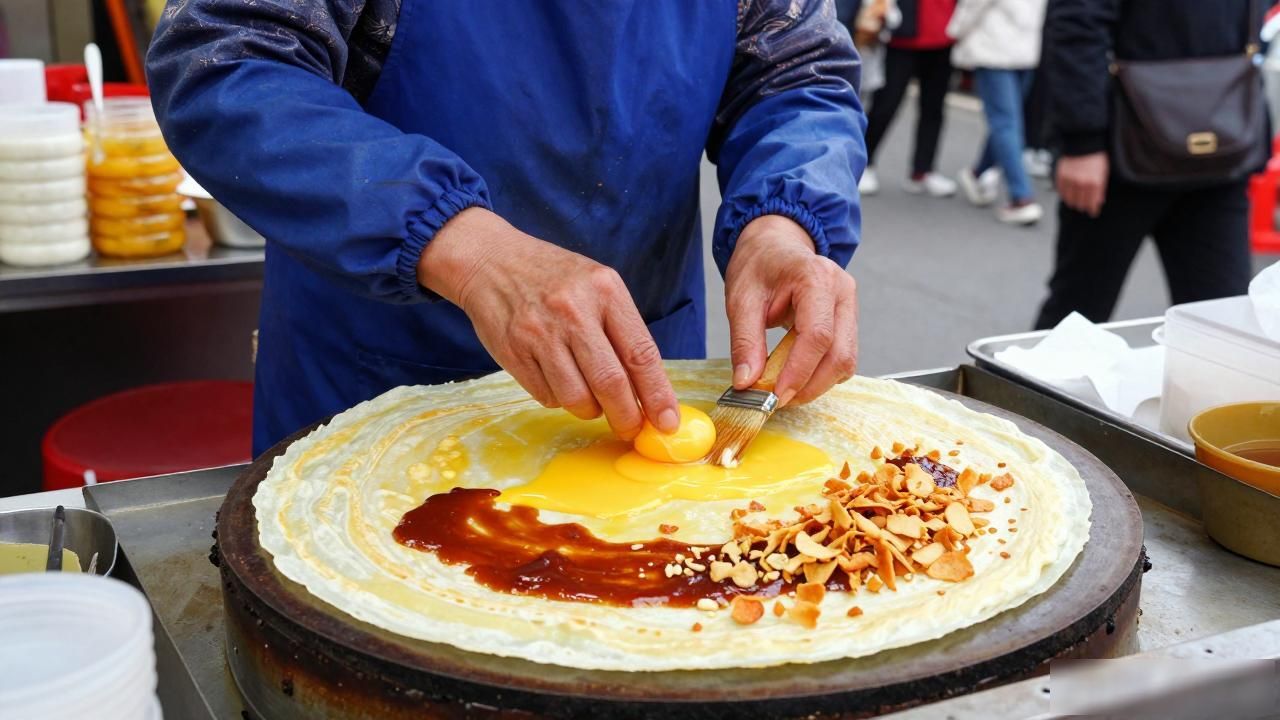
Jianbing remains my absolute favorite. This savory crepe,spread thin on a round griddle, transforms into something extraordinary with each bite. The vendor cracks an egg directly onto the hot surface, spreads it evenly, then brushes on a layer of sweet bean sauce and hoisin. Crushed crackers add crunch while fresh cilantro brings brightness. You fold everything together and hand it to you wrapped in paper. It costs about two yuan, less than thirty cents. This is street food at its most honest, serving real people real food without pretense.
Skewers deserve their own section entirely. We call them chuan’r in northern China, and grilling them over charcoal fires is almost a spiritual practice. Lamb chunks marinated in cumin and chili powder sizzle until the fat renders and edges char slightly. Chicken cartilage delivers a satisfying snap between tender bites. Even the tofu skins, folded and grilled, carry an incredible smoky depth. The key is watching how locals pick their skewers. They do not hesitate. They point, they wait, and they eat standing up right there at the cart.
Where to Find Authentic Chinese Street Food
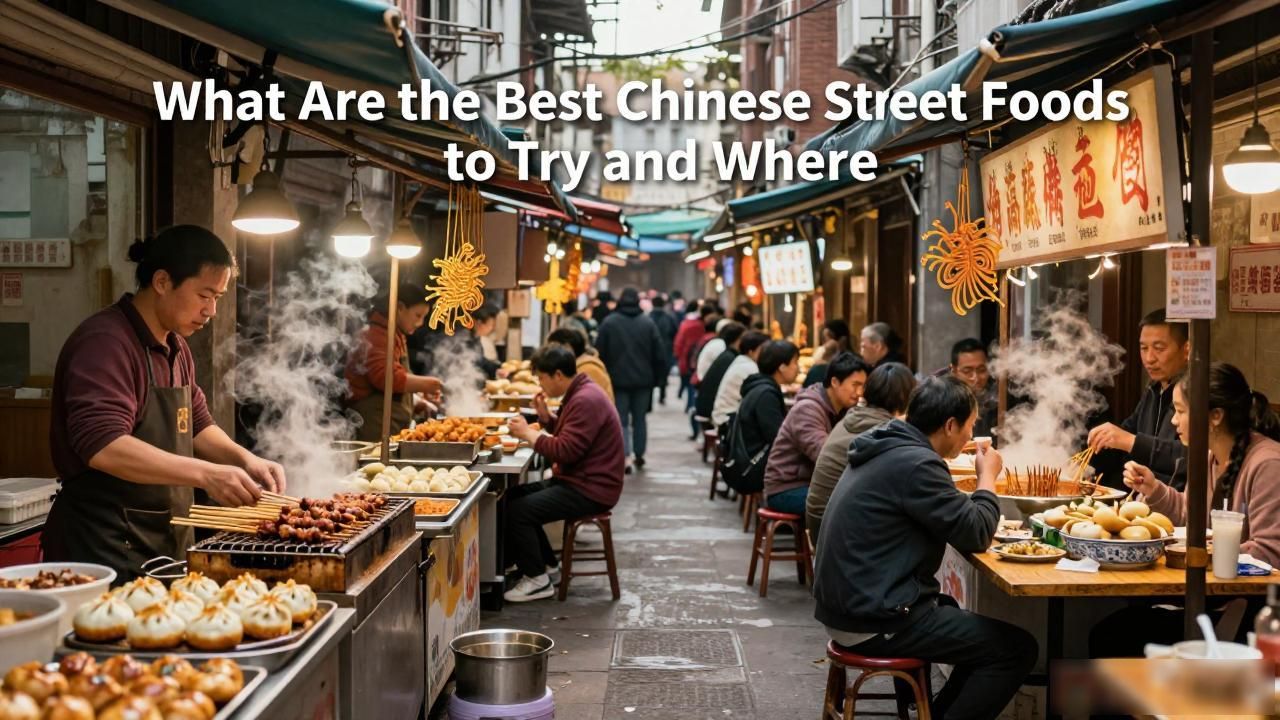
Do not expect polished restaurants or English menus when you hunt for the real stuff. The best stalls hide inside university districts, evening markets, and neighborhood alleys away from tourist traps. Shanghai’s Yuyuan Garden area gets crowded, but the surrounding old city streets around there still hold hidden gems. Chengdu and Chongqing turn street food into an art form with their bold spicy profiles. Xi’an specializes in flatbread sandwiches stuffed with seasoned meats. Each region brings something completely different to the table.
Look for crowds when you are deciding where to eat. A long line of locals means the food will be fresh and reasonably priced. Watch the cooking process closely. If the vendor flips everything quickly and keeps the cooking area organized, you can trust the quality. Prices stay remarkably low across the country. Most items range from one to ten yuan unless you are ordering premium ingredients like lobster or wagyu beef skewers.
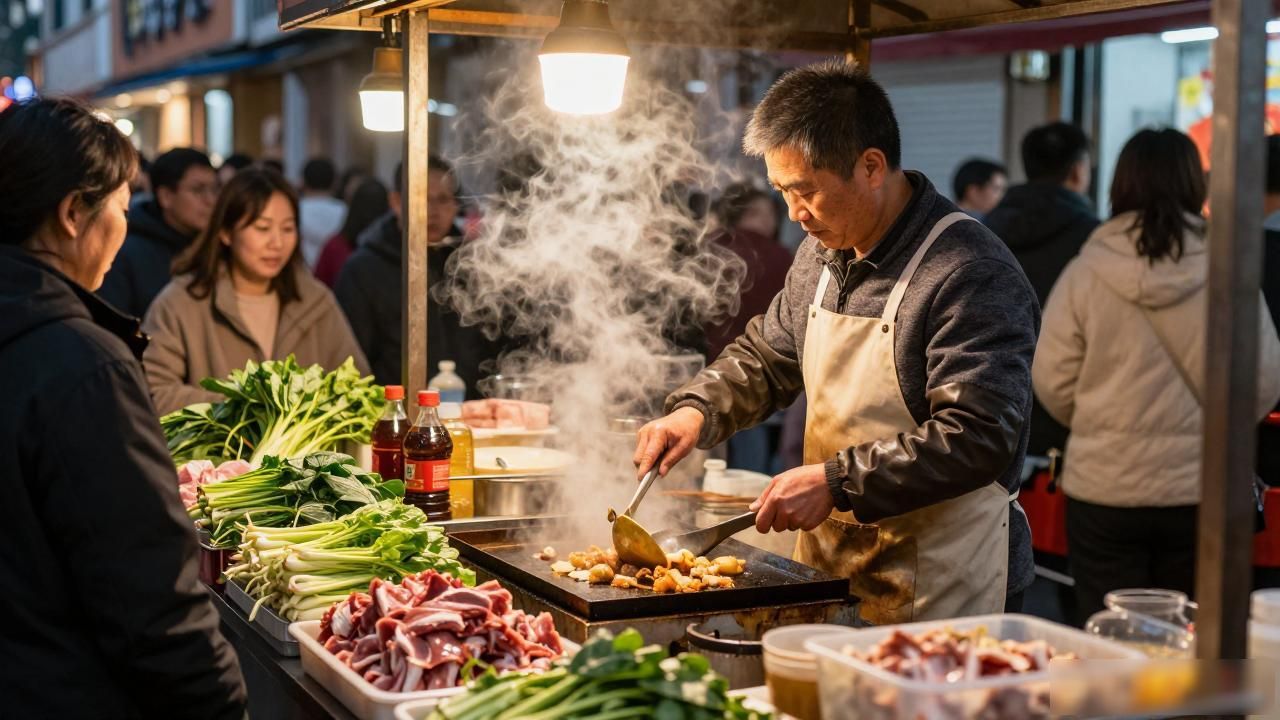
Street food safety concerns many foreign visitors, but the reality is often different from what people assume. Most stalls cook food fresh right in front of you at high temperatures that kill harmful bacteria. The real risk comes from unwashed vegetables or undercooked items left out too long in warm weather. Stick to foods that are grilled, fried, or boiled right before your eyes. Avoid pre-cut fruits displayed at room temperature during summer months. Bottled drinks and hot beverages remain safer choices than anything sitting in open containers.
Chinese street food offers an unparalleled window into daily life across this massive country. It rewards the curious eater with flavors that no restaurant can replicate and memories that linger far beyond any single meal.