
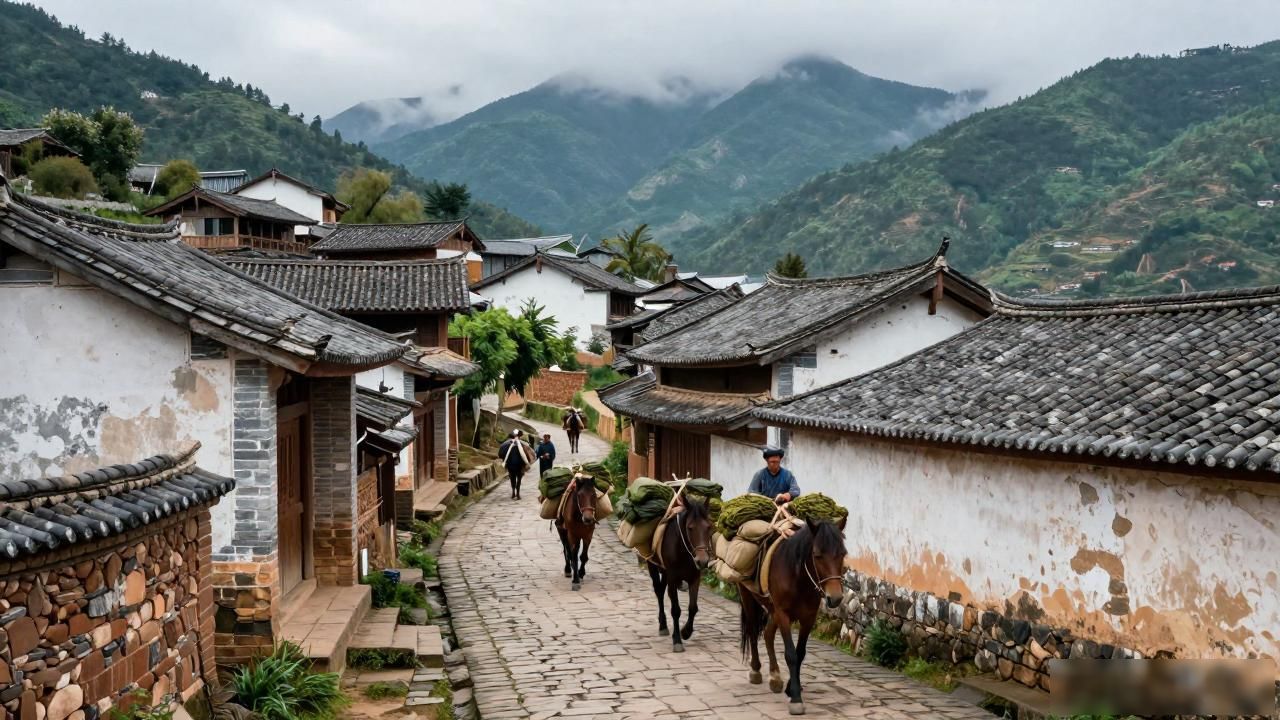
Deep in the misty mountains of Yunnan and Tibet lie quiet villages that once served as vital stops along the ancient Tea Horse Road. These stone-paved settlements are living relics of a trade network that connected China with Southeast and South Asia for over a thousand years. Today they draw travelers seeking something real far from crowded tourist traps. The villages offer a rare chance to step back in time and walk where merchants once trekked carrying bricks of tea and bundles of silk on the backs of hardy horses and mules.
What Is Tea Horse Road Village Like Today

Step into one of these villages and time seems to slow down. Cobblestone paths wind between weathered stone houses whose walls still bear the marks of centuries of wind and rain. Many homes belong to local ethnic communities such as the Naxi Bai and Tibetan people who have preserved traditions that predate modern civilization. Elderly villagers sit outside their doors weaving or drinking butter tea while children run through narrow alleys with barely a thought about smartphones or social media.
Local museums small and unassuming often hold surprising collections of ancient tools trade goods and photographs documenting the caravan era. Some villages have turned former caravan rest houses into family-run guesthouses where you can sleep on traditional kang beds and wake up to the sound of temple bells drifting through mountain valleys. The food is simple but unforgettable. You will taste Tibetan barleypancakes Yunnan wild mushroom stew and tea that has been aged for decades in clay pots.
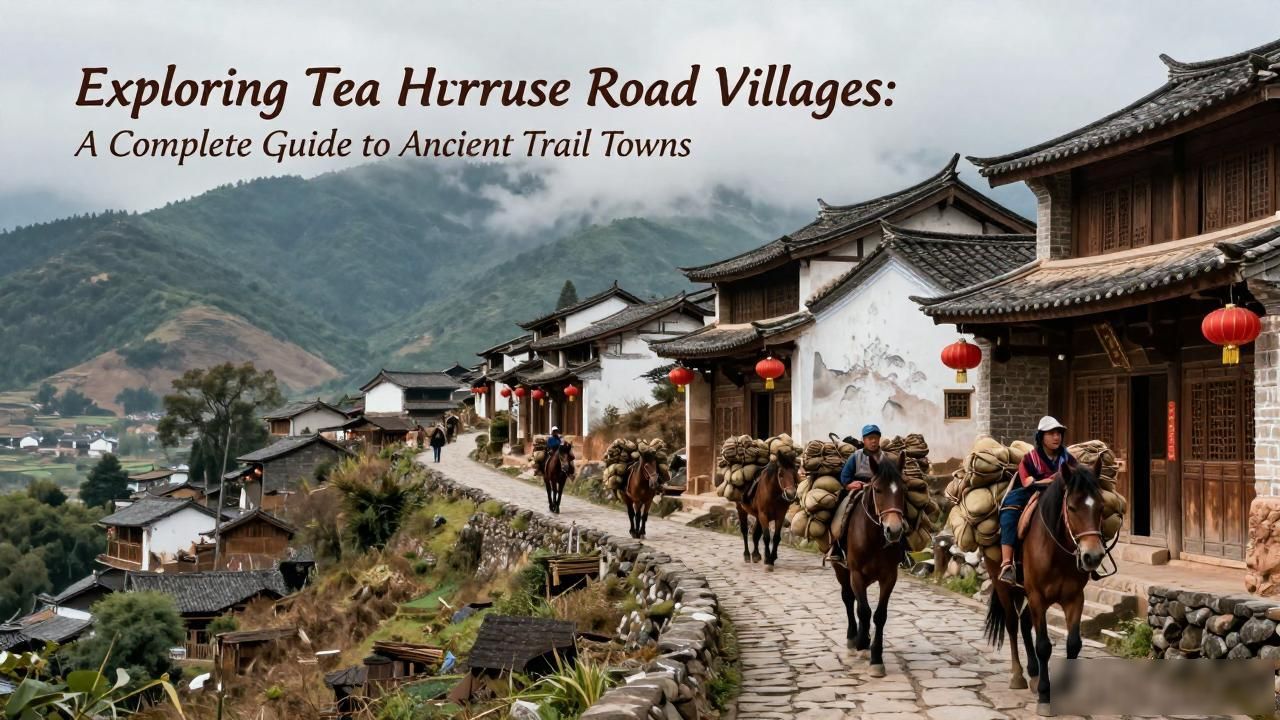
How to Visit Tea Horse Road Villages Effectively
Getting to these remote settlements requires patience and preparation. Most visitors fly into Kunming or Lijiang and then take longbus rides along winding mountain roads that can take six to ten hours depending on your destination. Roads have improved significantly in recent years but several villages remain accessible only by motorcycle or on foot. The best time to visit runs from April through October when the weather is relatively dry and temperatures stay mild even at higher altitudes.
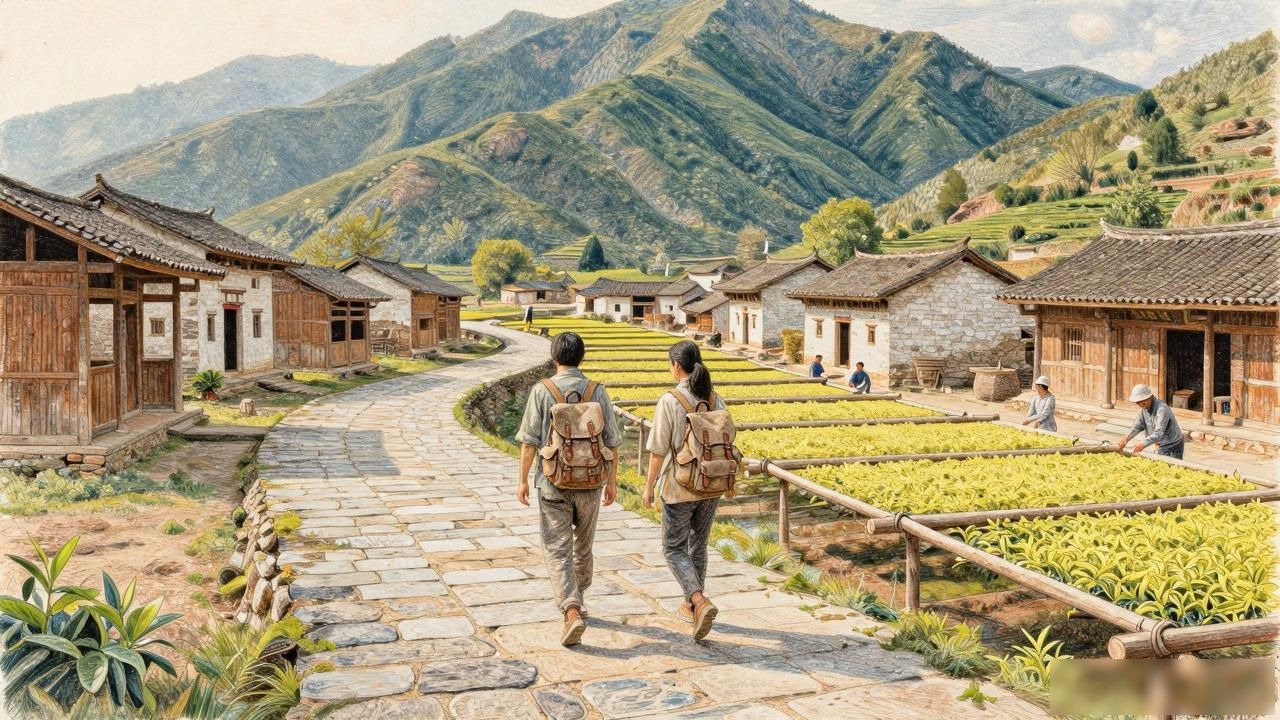
Many travelers choose to hike portions of the original trail rather than drive. Guided hikes typically last two to three days and pass through several villages offering a chance to stay with local families and learn about tea processing from people who remember how it used to be done before factories took over. Bringing cash is essential because most villages lack ATMs and credit card acceptance is nearly nonexistent. Hiring a local guide not only helps with navigation but also deepens your understanding of the history and culture surrounding you at every turn.