
Forbidden City secrets and mysteries
The Forbidden City has always fascinated visitors from around the world. Stepping into its golden-roofed halls feels like walking into a living storybook. But behind those towering red walls lie tales far more dramatic than any guide could capture in a short talk.
I spent years wandering through its courtyards, reading ancient records, and piecing together fragments of imperial life. What I discovered went far beyond the polished history textbooks. The real stories are messy, human, and often heartbreaking.
These hidden narratives reveal a palace where power was fragile, family bonds were complicated, and survival depended on cunning rather than courage. Every corridor, every forbidden gate, holds echoes of people who lived, loved, and died within these walls.
What really happened inside the imperial harem

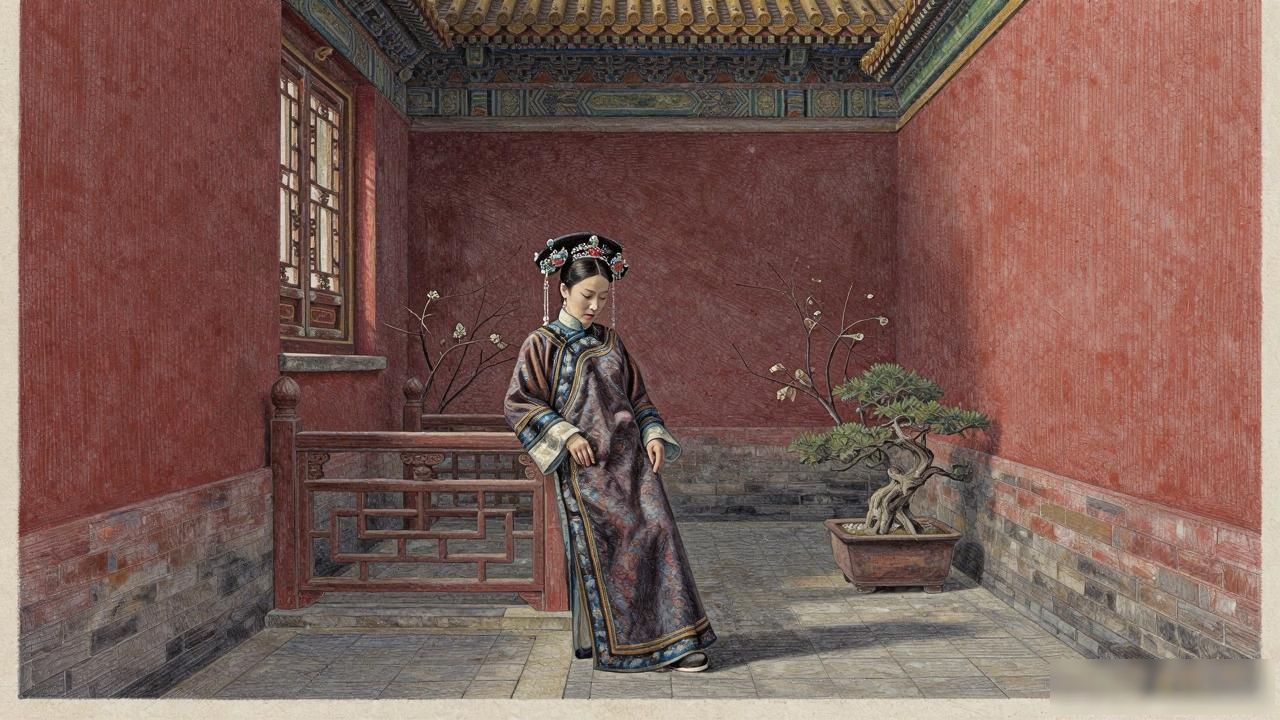
Most visitors never think about what life was like for the women confined within these walls. The imperial harem was not merely a collection of beautiful palaces. It was a battlefield where fertility meant everything.
Concubines entered the palace as young as twelve or thirteen. They came from families hoping to gain political influence through imperial favor. Those who failed to produce an heir faced a lonely existence,often ending their days in cold, isolated quarters.
Empress Dowager Cixi stands out as one of the most formidable figures to emerge from this closed world. She effectively ruled China for nearly half a century from behind palace curtains. Yet even she lived under constant surveillance, surrounded by rivals who would have destroyed her instantly.
The relationships between women in the harem were complex and intense. Some concubines formed genuine friendships that lasted decades. Others plotted and scheme relentlessly, knowing that a single misstep could mean execution or imprisonment in the most terrifying of ways.
Hidden meanings carved into every stone and beam
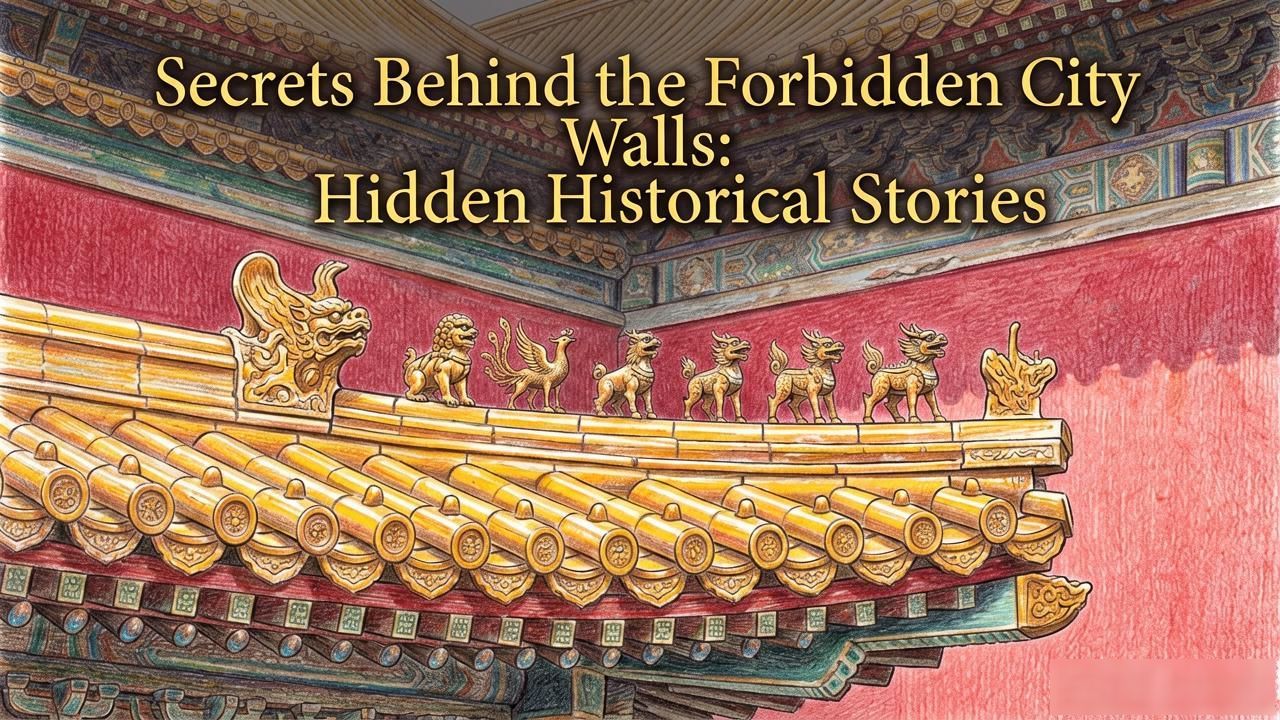
Architectural details throughout the Forbidden City carry deeper symbolism that most tourists completely miss. The number nine holds extraordinary significance in Chinese culture, representing ultimate imperial authority. You will notice this number repeated everywhere.
Roof ridges feature exactly nine mythical creatures on the most important buildings. Floor tiles are arranged in patterns of nine. Even the massive bronze doors are studded with nine rows of golden nails, each row containing nine nails. This deliberate numerical obsession reinforced the emperor divine connection to heaven itself.
Dragon motifs appear in thousands of places throughout the complex. But not all dragons are equal. The five clawed dragon represents the emperor alone. Imperial subjects using a five clawed dragon design faced severe punishment, sometimes even death. This visual hierarchy reminded everyone of their exact place within the rigid court system.
Hidden passages and secret rooms existed throughout the palace grounds. Emperors used these covert routes to move undetected, escape danger, or conduct private meetings away from watching eyes. The architectural grandeur served as both a symbol of power and a practical tool for maintaining control.
Untold tragedies of emperors who ruled but never truly lived
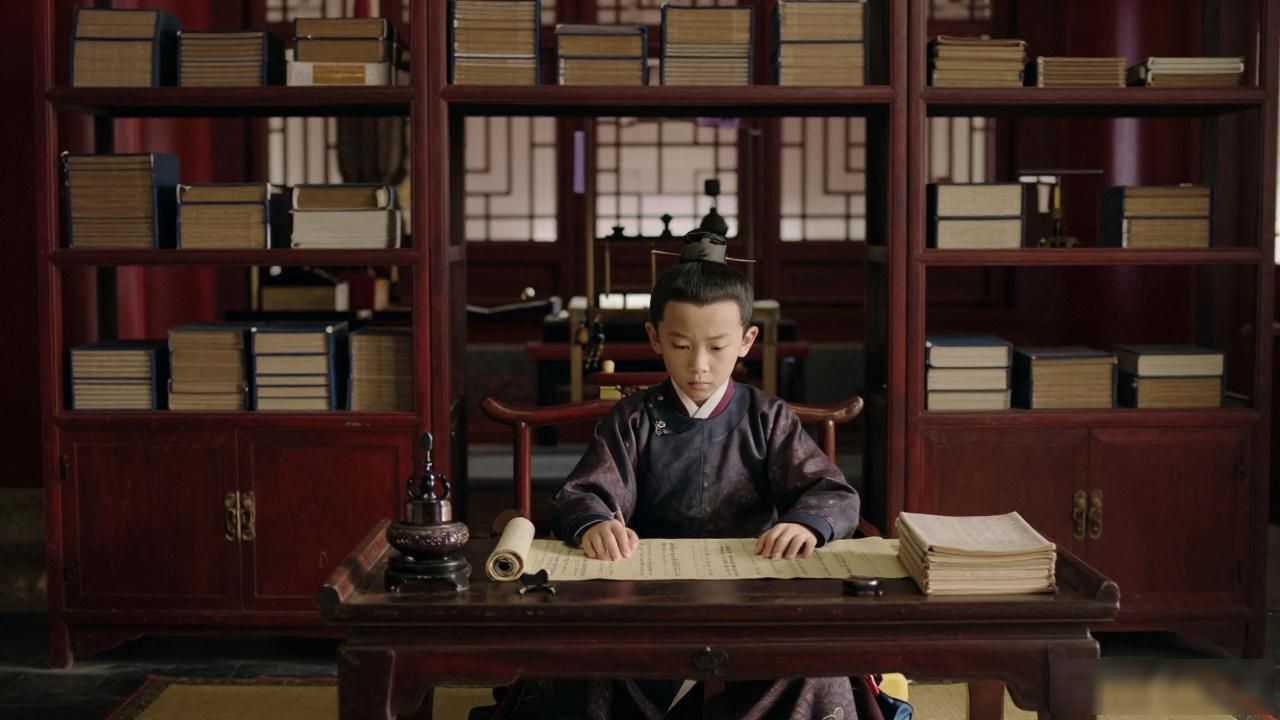
The emperors of the Ming and Qing dynasties held absolute power on paper, but their personal freedom was virtually nonexistent. From childhood, they were isolated from normal family life and trained rigorously in statecraft, philosophy, and military strategy.
Young Emperor Zhengde preferred hunting and military games to governing. His unconventional behavior worried ministers enormously. He once disguised himself as a merchant to explore the streets of Beijing freely, risking his life in the process. The strict protocols surrounding imperial conduct made such adventures incredibly dangerous.
Emperor Wanli of the Ming dynasty refused to hold court for decades. Modern historians debate whether this was political protest, depression, or simple rebellion against court constraints. Whatever the reason, his absence created power vacuums filled by eunuchs and ambitious officials.
The last emperor, Puyi, experienced the full tragic arc of imperial decline. Confined to the palace as a child emperor at age two, he later became a Japanese puppet ruler before spending years in reeducation camps. He died in 1967, having witnessed the complete transformation of China from empire to republic to communist state. His autobiography reveals a man who never truly had control over his own destiny, despite sitting on the Dragon Throne.