
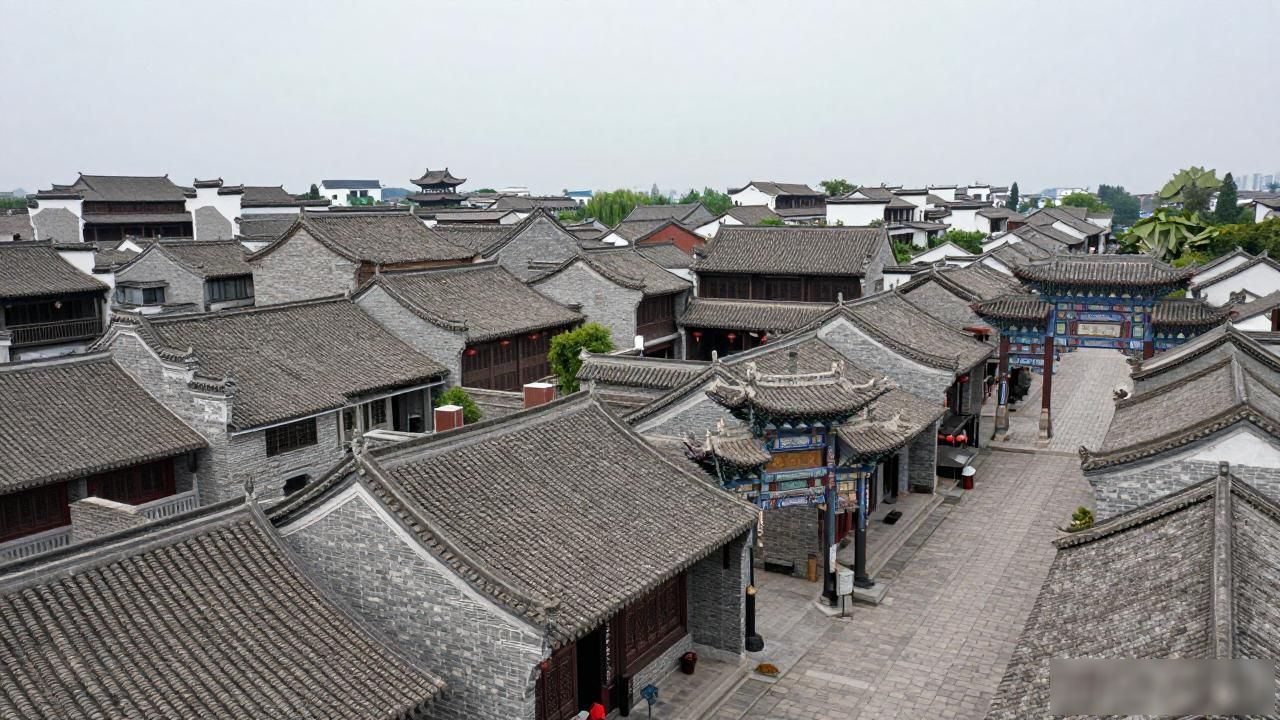
Exploring the old towns of China reveals a world where every stone, beam, and courtyard carries centuries of cultural memory. These are not mere remnants of the past — they are living testaments to an architectural philosophy that harmonized human habitation with nature, spirituality, and social order. For travelers and architecture enthusiasts, understanding what makes ancient Chinese buildings unique transforms a simple walk through narrow alleys into a profound encounter with one of the world’s oldest continuous building traditions.
Why Is Ancient Chinese Architecture So Different From the West?

Western architecture has always emphasized vertical ambition — towering cathedrals and skyscrapers reaching toward the sky. Chinese builders took an entirely different approach. Instead of defying gravity with height, they worked with it, spreading horizontally across the land in ways that felt conversational rather than confrontational with nature. A traditional Chinese complex might seem modest from the outside, but once you step inside, a series of courtyards unfolds one after another,each revealing a deeper layer of space and meaning.
At the heart of this architectural philosophy lies the concept of balance between heaven and humanity. Traditional Chinese buildings were never meant to dominate their surroundings. They were designed to blend into landscapes, follow natural contours, and respect the flow of wind and sunlight. This is why so many old towns sit nestled against hills or beside rivers — the geography dictated the layout, not the other way around. Feng shui principles guided nearly every structural decision, from the placement of doors to the orientation of entire villages.
The wooden framework system, known as dougong, represents another radical departure from Western masonry traditions. Interlocking wooden brackets transfer the weight of heavy tiled roofs without relying on load-bearing walls. This modular approach allowed buildings to flex during earthquakes — a practical necessity in seismically active regions — while also enabling rapid construction and repair. Unlike stone cathedrals that took generations to complete, Chinese wooden structures could be assembled and rebuilt within a single lifetime, creating a living continuity that few other architectural traditions can claim.
What Are the Most Distinctive Features You Can See Today?
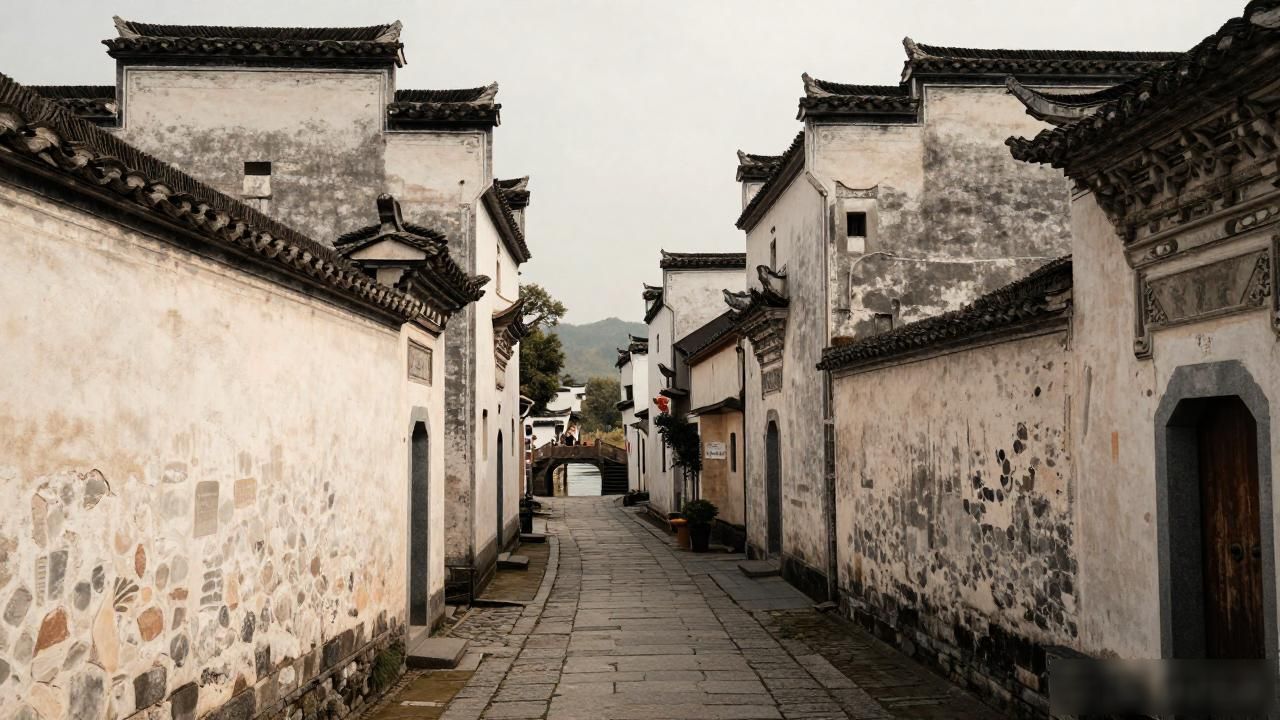
Every region of China developed its own architectural personality shaped by climate, available materials, and local customs. The water towns of Jiangnan — places like Zhouzang and Wuzhen — are instantly recognizable with their whitewashed walls, dark gray tile roofs, and narrow canals where wooden boats once served as the main transportation network. Buildings here cling to the water’s edge, their foundations partially submerged, creating倒影 that shift with the wind. These towns feel like scenes from classical Chinese paintings brought to life.
In southern Fujian province, the tulou compound buildings of the Hakka people represent perhaps the most extraordinary architectural achievement in Chinese history. These massive earthen fortresses, some housing over four hundred people, were built as communal defensive structures against bandits and rival clans. Their thick rammed-earth walls — sometimes over two meters thick — could withstand sieges, while the central open courtyard served as a shared gathering space for rituals and daily life.
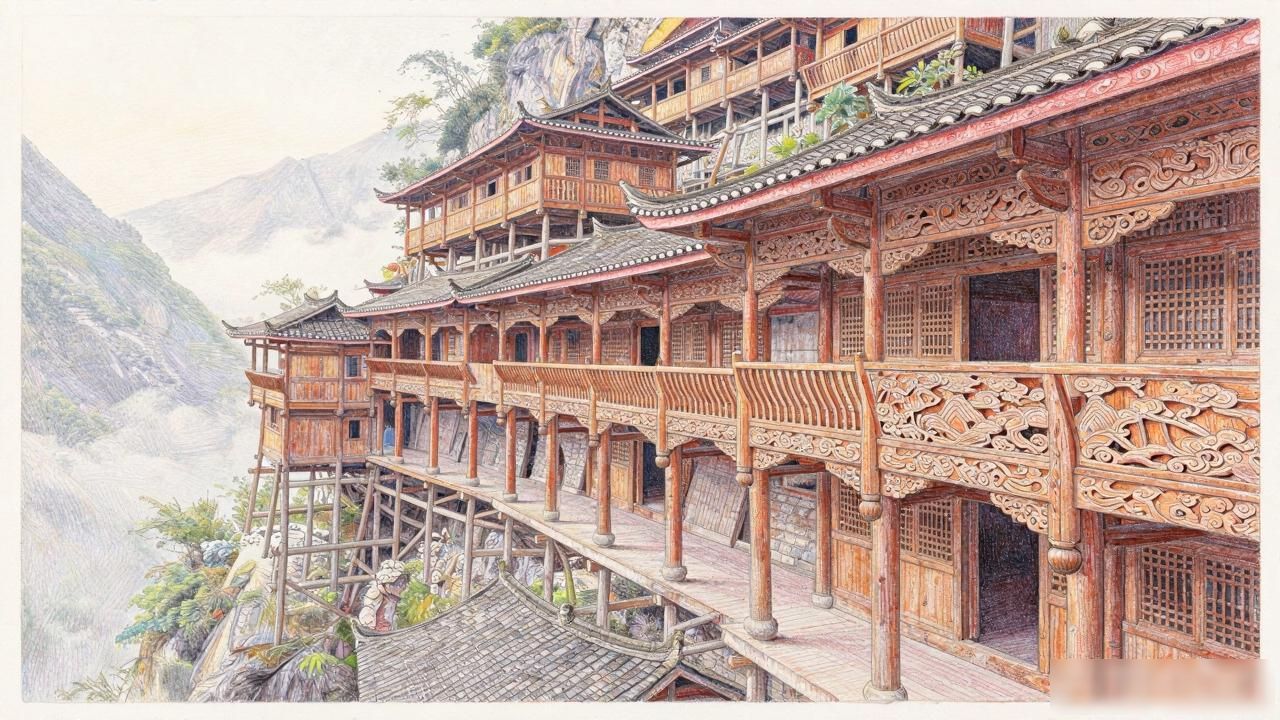
Mountain regions in Yunnan and Guizhou showcase stilt-house architecture adapted to steep terrain. Wooden structures raised on pillars create usable space beneath while protecting inhabitants from flooding and wild animals. These buildings often feature intricate carved decorations on eaves and window frames, telling folk tales and auspicious symbols that serve both aesthetic and spiritual purposes. The craftsmanship visible in even the most remote villages demonstrates a deep cultural commitment to beauty embedded within everyday construction.
Old town architecture in China remains one of the most rewarding subjects for anyone seeking to understand Chinese civilization beyond surface-level impressions. Walking through ancient streets, touching weathered wooden columns, and observing how generations of builders responded to the same environmental and cultural challenges offers genuine insight into a worldview that valued harmony over dominance. These structures have survived wars, natural disasters, and rapid modernization precisely because they embody principles that remain relevant — resilience through flexibility, beauty through restraint, and community through shared spatial experience.