
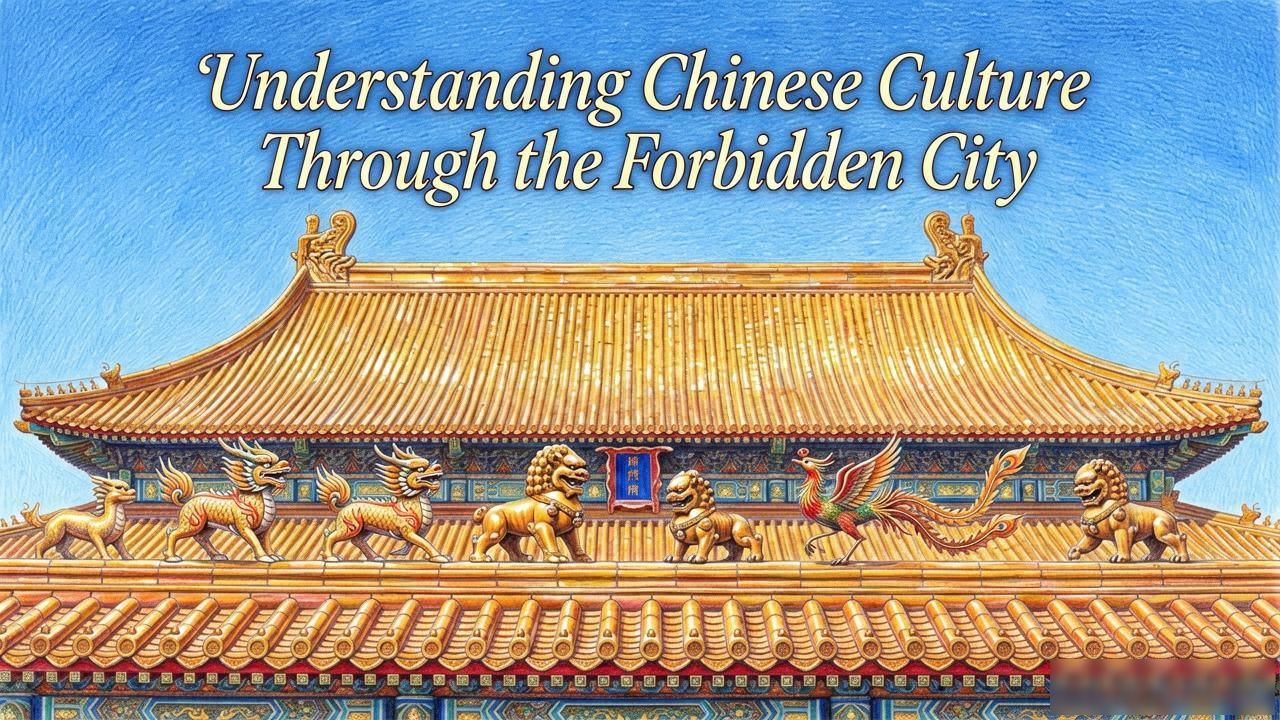
The Forbidden City, known as Zijin Cheng in Chinese, stands as one of the most magnificent architectural achievements in human history. Located in the heart of Beijing, this vast imperial palace complex served as the political and ceremonial center of China for nearly five centuries. For international visitors, stepping through its towering red gates means entering a living museum where Chinese culture comes alive through every carved beam, painted courtyard, and ceremonial artifact on display.
What Makes the Forbidden City Symbolic of Chinese Culture?
The complex was home to twenty-four emperors across the Ming and Qing dynasties, making it the political and cultural heart of imperial China for over 500 years. Every element of its design carries deep philosophical meaning rooted in Chinese cosmology and the ancient belief system of feng shui. The layout follows strict symmetry along a central north-south axis,reflecting the Confucian emphasis on order, hierarchy, and the emperor’s role as the Son of Heaven bridging the earthly and divine realms.

Roof decorations featuring mythical creatures are not merely ornamental. Each creature placed along the ridge lines serves as a spiritual guardian, believed to protect the buildings from fire and evil spirits. The color scheme tells its own story: golden yellow roofs were reserved exclusively for the emperor, while other structures used green or gray tiles. Red walls symbolize good fortune and happiness, creating the unmistakable visual identity that has made this place one of the most photographed cultural sites on Earth.
The sheer scale of the complex is equally meaningful. Covering 72 hectares with 980 surviving buildings and approximately 8,700 rooms, the Forbidden City was designed to project absolute imperial authority. No one outside the imperial family could even look toward the inner palace without permission. This physical grandeur was a constant reminder of the heavenly mandate that legitimized each ruler’s reign.
How Can Visitors Experience Authentic Chinese Traditions Here?
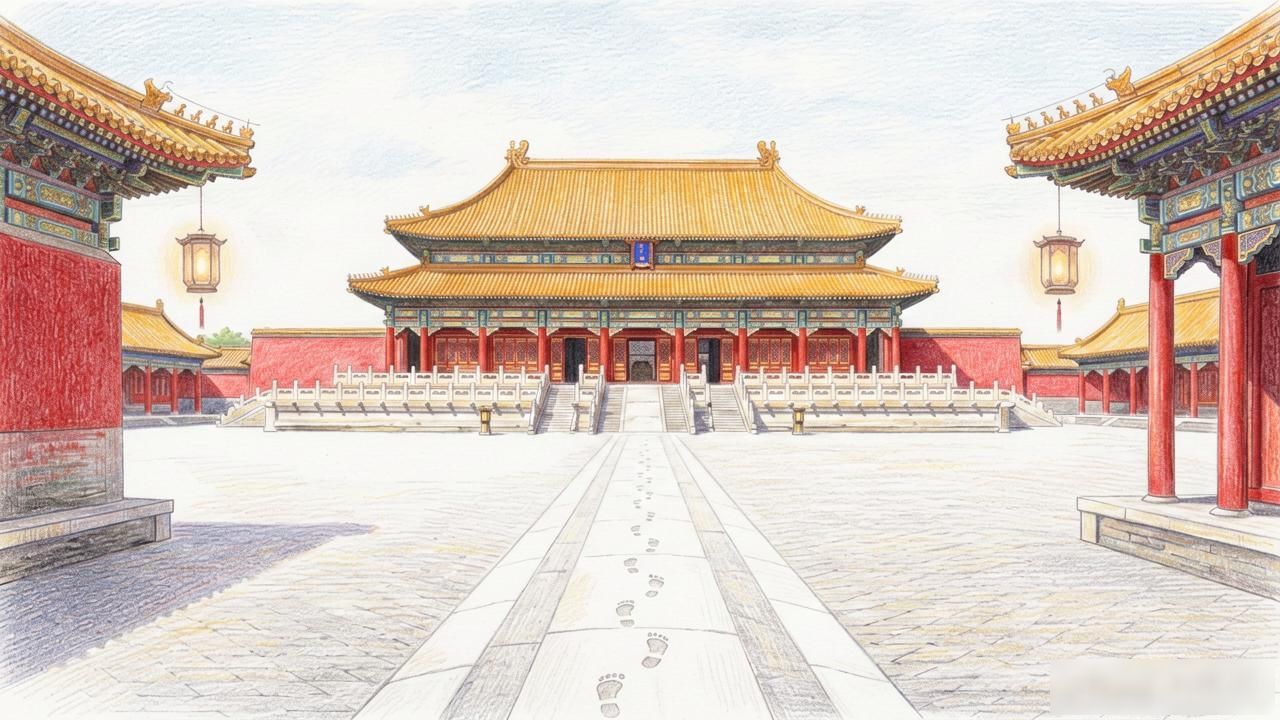
Walking through the courtyards today, you can still trace the footsteps of emperors who once conducted state rituals that shaped the nation’s destiny. The Hall of Supreme Harmony hosted coronations, birthday celebrations, and imperial edicts announced to the empire. These ceremonies followed elaborate protocols developed over centuries, each gesture and movement carrying symbolic weight connected to cosmic balance and dynastic legitimacy.
The palace museums house an extraordinary collection of cultural artifacts spanning thousands of years of Chinese civilization. Porcelain, jade sculptures, ancient texts, imperial robes, and ceremonial weapons offer tangible connections to artistic traditions that influenced neighboring countries throughout East Asia. The imperial collection represents the finest craftsmanship that Chinese artisans dedicated their lives to perfecting across generations.
Seasonal rhythms once dictated the emperor’s entire calendar, and traces of these traditions remain visible throughout the complex. Spring festivals honored agricultural prosperity, mid-autumn celebrations emphasized family reunion, and winter solstice ceremonies sought divine favor for the coming year. These ancient customs reveal how deeply intertwined Chinese culture remains with natural cycles and communal values that continue to shape modern Chinese society.
Why Does the Forbidden City Matter to Global Cultural Heritage?
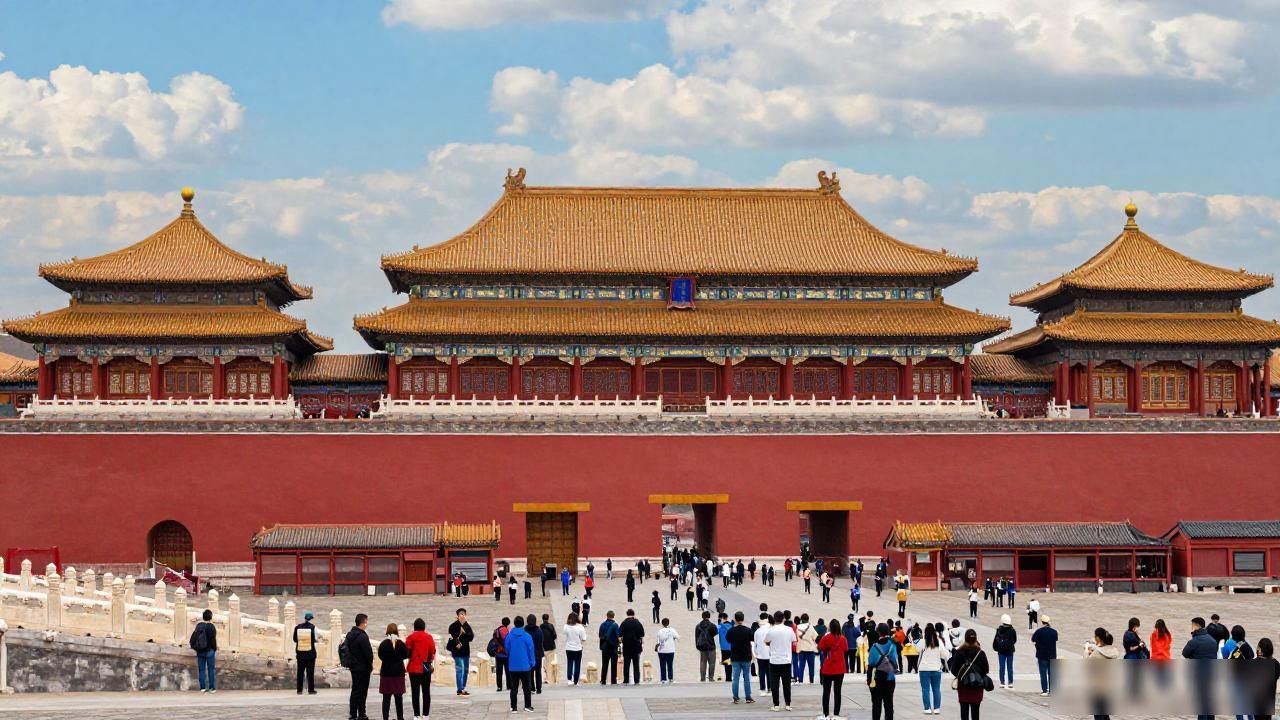
Recognized as a UNESCO World Heritage Site since 1987, the Forbidden City attracts millions of international visitors every year who come seeking understanding of Chinese civilization. Beyond its breathtaking architecture, the palace complex functions as an educational bridge connecting people worldwide to traditions that have influenced art, governance, philosophy, and daily life across continents for millennia.
Preserving this cultural treasure requires constant dedication. Restoration efforts blend traditional techniques passed down through generations with modern conservation science, ensuring that future visitors will continue experiencing the same awe that overwhelms travelers today. The ongoing maintenance of wooden structures, murals, and decorative elements demonstrates a profound respect for cultural continuity that extends far beyond national borders.
For anyone curious about Chinese culture, the Forbidden City offers an unparalleled window into a civilization that shaped much of world history. Its stories of power and humility, artistic brilliance and spiritual devotion, resilience and transformation continue to resonate with people from every corner of the globe seeking meaningful cultural connection.