
What Are the Best Off the Beaten Path Places in Yunnan
Most travelers to Yunnan end up in Lijiang or Dali after hearing about their ancient towns and bubble tea shops. The real magic of this province lies in the places that don’t appear on most guidebooks. I have spent the last six years returning to the same remote corners of Yunnan, and each time I discover something new waiting around the next mountain pass.
Xinping Zhuang and Miao Autonomous County sits deep in the south, bordering Vietnam. The red terraced fields here rival the famous ones in Yuanyang, but you will find fewer than a hundred foreign visitors there in an entire year. Local farmers still grow rice using methods passed down through ten generations. A homestay hosted by a Zhuang family offers steamed bamboo chicken and fermented tea that tastes like nothing you have ever tried before.
Another place that changed my perspective completely is Wenshan Province’s Maguan County. Stone forests jut from the ground like frozen waves, carved by wind and water over millions of years. The Hani people living in these valleys build their homes into the mountainside using rammed earth and timber. Their New Year festival features bull fighting, horse racing, and ancient ballad singing that has survived since before the Ming Dynasty.
How Do You Actually Reach These Remote Areas in Yunnan
Getting to these destinations requires patience and flexibility. Chinese domestic flights will only take you so far. From Kunming, you need a combination of long-distance buses and local minibuses that run infrequently but depart on schedule regardless of how many passengers fill the seats.

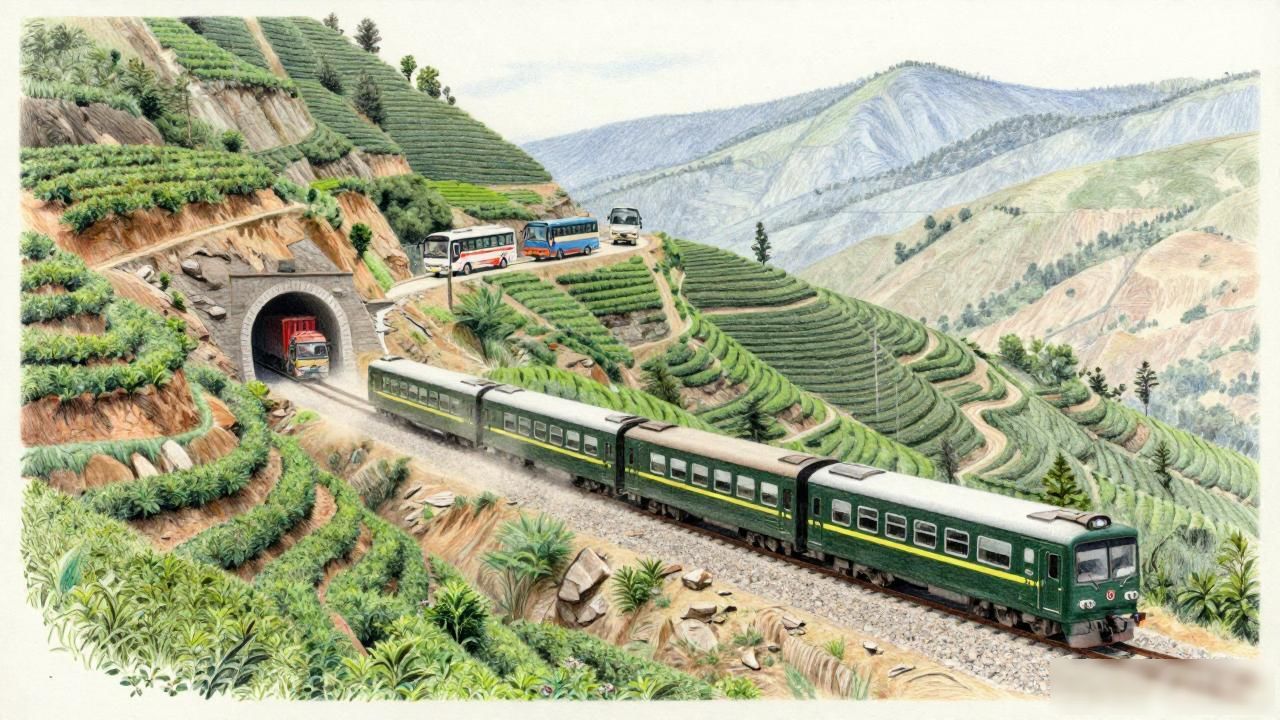
A train from Kunming to Puer takes about six hours through mountain tunnels. From Puer, a county bus winds upward into the tea mountains where Pu’er tea trees grow wild at elevations above fifteen hundred meters. The road narrows until you are following a truck uphill at twenty kilometers per hour, passing water buffalo crossing the asphalt one at a time.
Another reliable approach is to rent a driver in Kunming and negotiate a seven-day route through eastern Yunnan. A capable driver who speaks some English costs roughly three hundred yuan per day including fuel and accommodation. This method unlocks places like Honghe Prefecture’s Jinping County, where Miao villages cling to cliffs above the Red River, and the ancient tea horse road still carries trade goods between China and Southeast Asia.
Why Should You Travel Off the Beaten Path in Yunnan
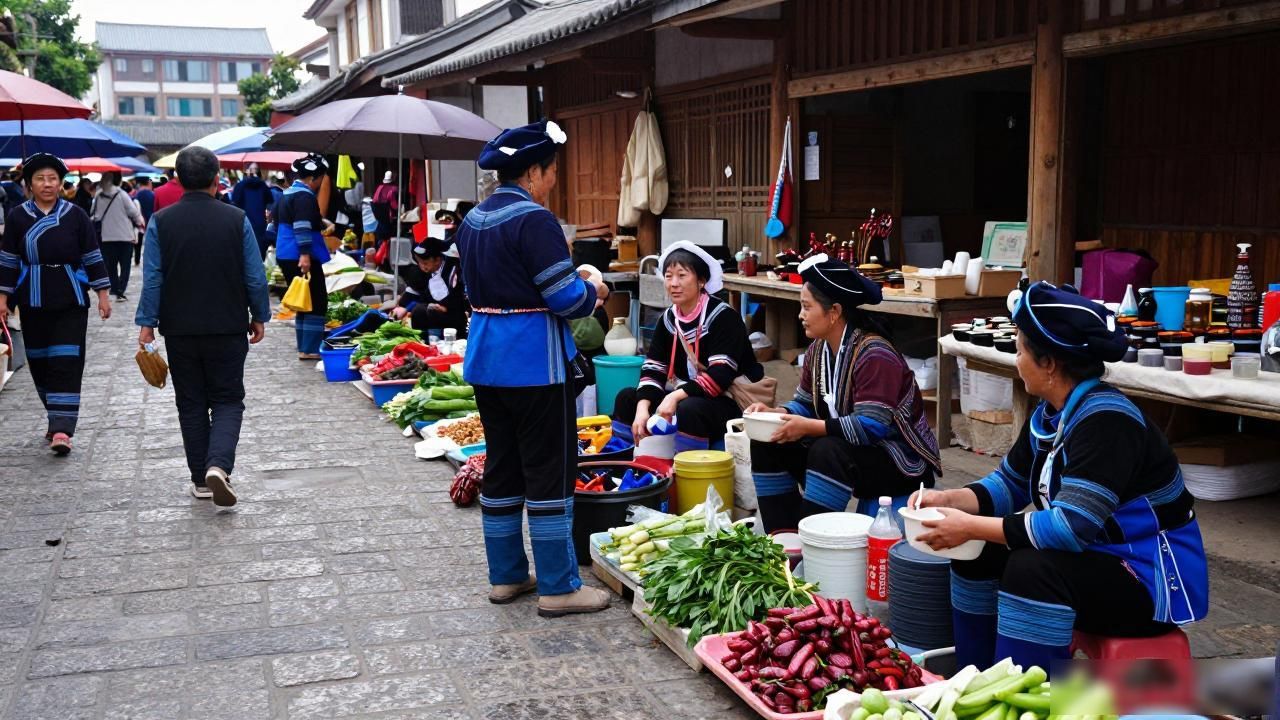
The tourist economy has turned many Chinese destinations into stages performing authenticity for camera phones. Yunnan still holds genuine moments for those willing to wander further. A morning market in a county town where every vendor speaks only Hmong or Bulang means you learn to communicate through gestures, smiles, and the universal language of bargaining over fresh vegetables.
These places remain affordable because they exist outside the tourism infrastructure. A room with hot water and a private bathroom in Maguan costs forty yuan per night. Street food runs two or three dollars for a meal that feeds two people. The absence of foreign prices means your budget stretches five times further than in Lijiang.
But the true value is human connection. In Xinping, an elderly Zhuang woman taught me to roll tobacco leaves into hand-rolled cigarettes while her grandchildren watched with enormous curiosity about this strange foreigner speaking broken Mandarin. No tour package can replicate that kind of exchange. Yunnan rewards the traveler who approaches it with humility and curiosity rather than a checklist of destinations.