
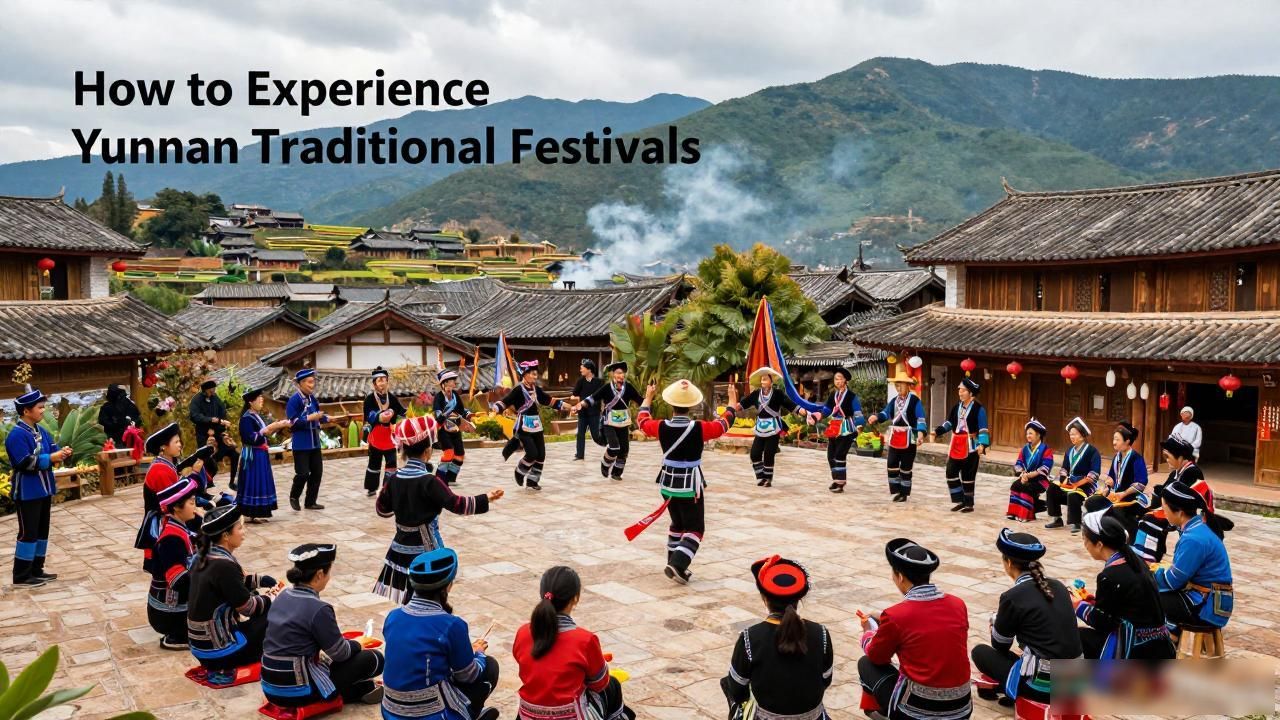
Yunnan province in southwest China is home to twenty-five recognized ethnic minorities, and each one brings its own calendar of vibrant celebrations throughout the year. If you are planning a trip to witness these festivals firsthand, knowing which ones matter most and when they happen can make all the difference between a mediocre visit and a truly unforgettable experience. This guide walks you through the most essential festivals, practical tips for attending, and the cultural depth behind each celebration so you can approach your journey with confidence and respect.
What Are the Must-Visit Yunnan Traditional Festivals
The Torch Festival stands out as one of the most spectacular events across multiple ethnic groups in Yunnan, particularly among the Yi and Hani people. Celebrated usually in June or July depending on the lunar calendar, it transforms entire villages into living flames. Elders light towering torches carved from pine, and young people carry them through streets while dancing and singing well into the night. The fire represents purification, good harvests, and protection against evil spirits. It is an event that sticks with visitors for years, and arriving early to secure a viewing spot near the main gathering area is essential since crowds swell quickly.

Duanwu Festival is another major celebration worth targeting if your itinerary aligns. While many associate this festival with dragon boat racing, the ethnic minority communities in Yunnan celebrate it with their own distinct flavors. In places like Honghe and Wenshan, local Miao and Zhuang communities organize horse racing competitions, face-painting rituals, and elaborate singing exchanges between neighboring villages. The ethnic minorities attach special meaning to Duanwu beyond the mainstream Han Chinese version, making it a rich cultural experience for travelers willing to venture beyond the usual tourist circuits.
Water Splashing Festival organized by the Dai people in Xishuangbanna during mid-April draws the largest crowds each year. Thousands of visitors gather in Jinghong to participate in the playful water fights that define this celebration of the Dai New Year. It might look like a simple water war at first glance, but the ritual has deep Buddhist roots symbolizing the washing away of misfortune and the welcoming of good fortune for the coming year. Dress in quick-dry clothing, protect your electronics, and be prepared to get thoroughly soaked.
When Is the Best Time to Visit Yunnan for Festivals
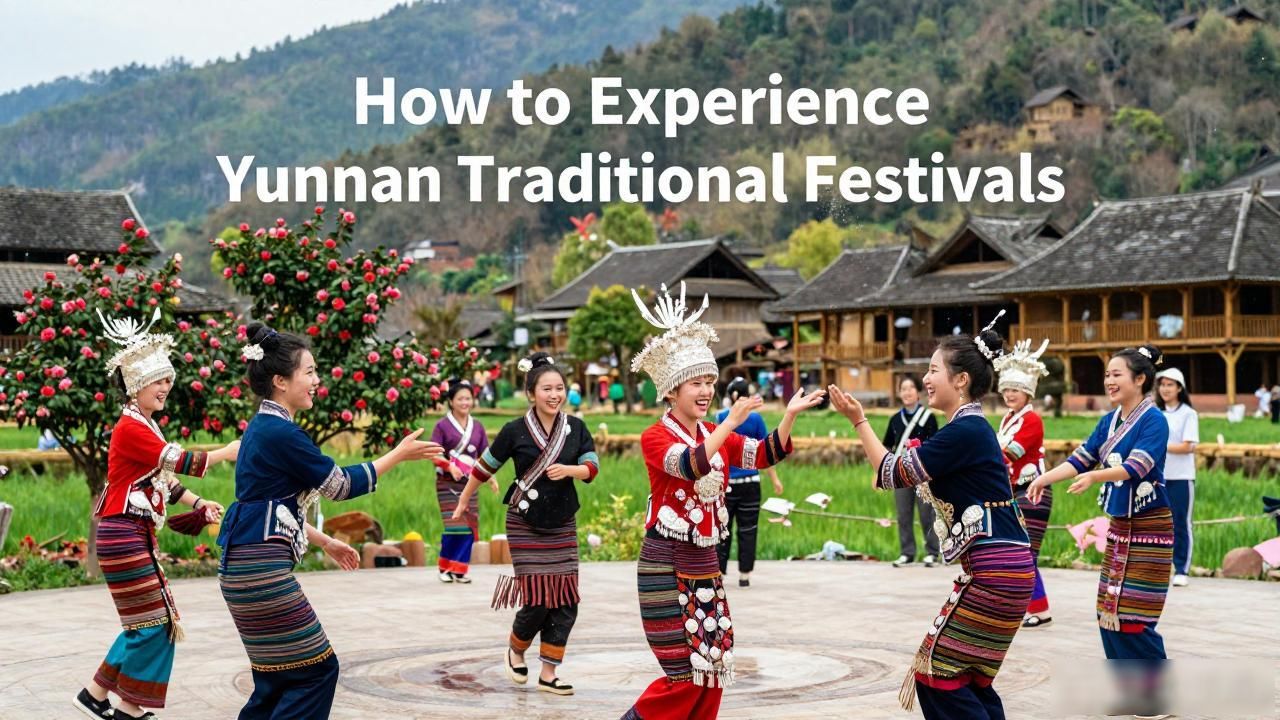
Festival timing in Yunnan depends heavily on the lunar calendar, which means dates shift each year on the Gregorian calendar. Planning ahead by checking the specific dates for your target festival is crucial because missing it by even a few days can mean waiting another full year. Spring brings the Water Splashing Festival in April, while summer hosts the Torch Festival around July. Autumn often features the Buluotuo Festival celebrated by the Zhuang community,and winter months see smaller but equally meaningful village-level celebrations.
Traveling during festival season means dealing with surging accommodation prices and limited room availability in popular destinations like Xishuangbanna and Lijiang. Booking your stay at least two months in advance is a wise move, especially for peak festival periods. Rural villages where smaller ethnic festivals take place may have very limited lodging options, so consider staying in nearby towns and commuting daily. Transportation also becomes constrained, so flexible scheduling and backup plans will save you considerable frustration.
How to Respectfully Participate in Yunnan Traditional Festivals
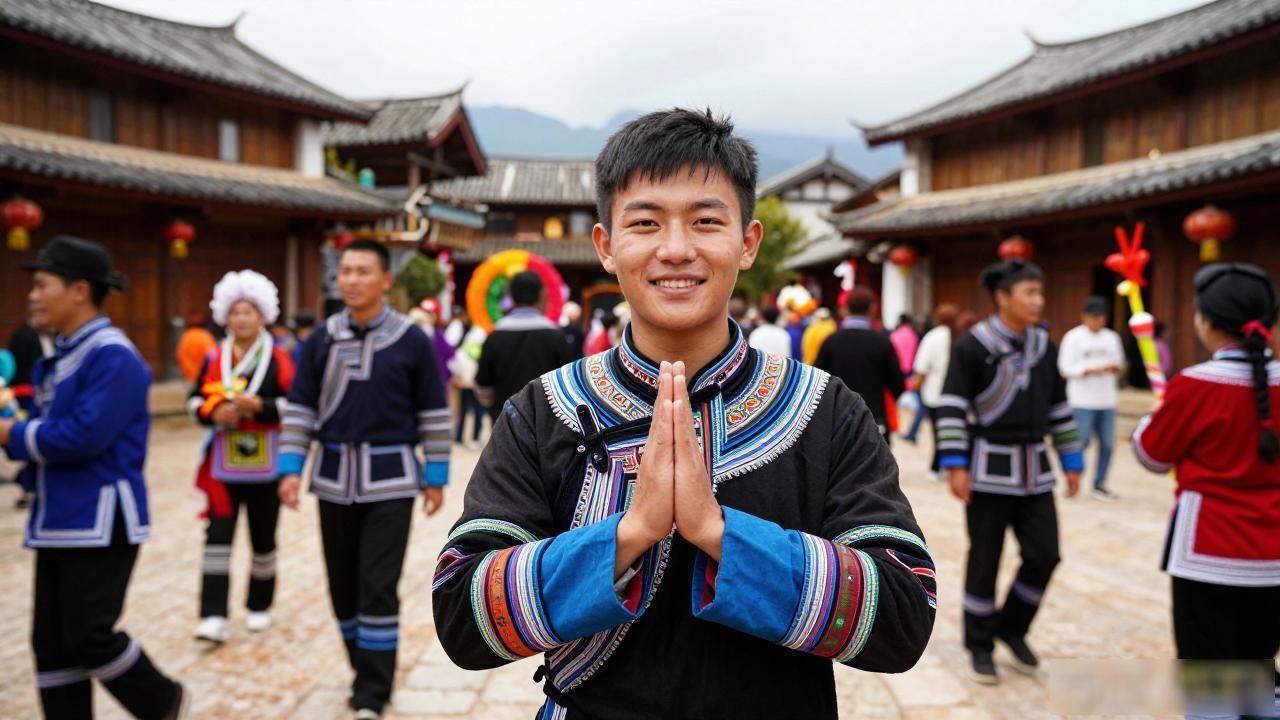
Approaching these festivals with genuine curiosity and cultural sensitivity transforms your experience from passive observation into meaningful engagement. Learning a few basic greetings in the local ethnic language goes a long way toward earning warmth and openness from hosts. Many ethnic communities welcome visitors who show sincere interest in their traditions, but they also notice quickly when someone treats their celebration as mere entertainment rather than a sacred cultural practice.
Photography etiquette deserves special attention since some rituals involve private spiritual moments that outsiders should not capture indiscriminately. Ask permission before taking portraits of individuals, and avoid photographing during sacred ceremonies unless explicitly invited to do so. Staying informed about specific dress codes and behavioral expectations before attending helps you avoid unintentional disrespect. Bringing small gifts like fruit or snacks when visiting village homes during festival days is a thoughtful gesture that reflects well on your character.