
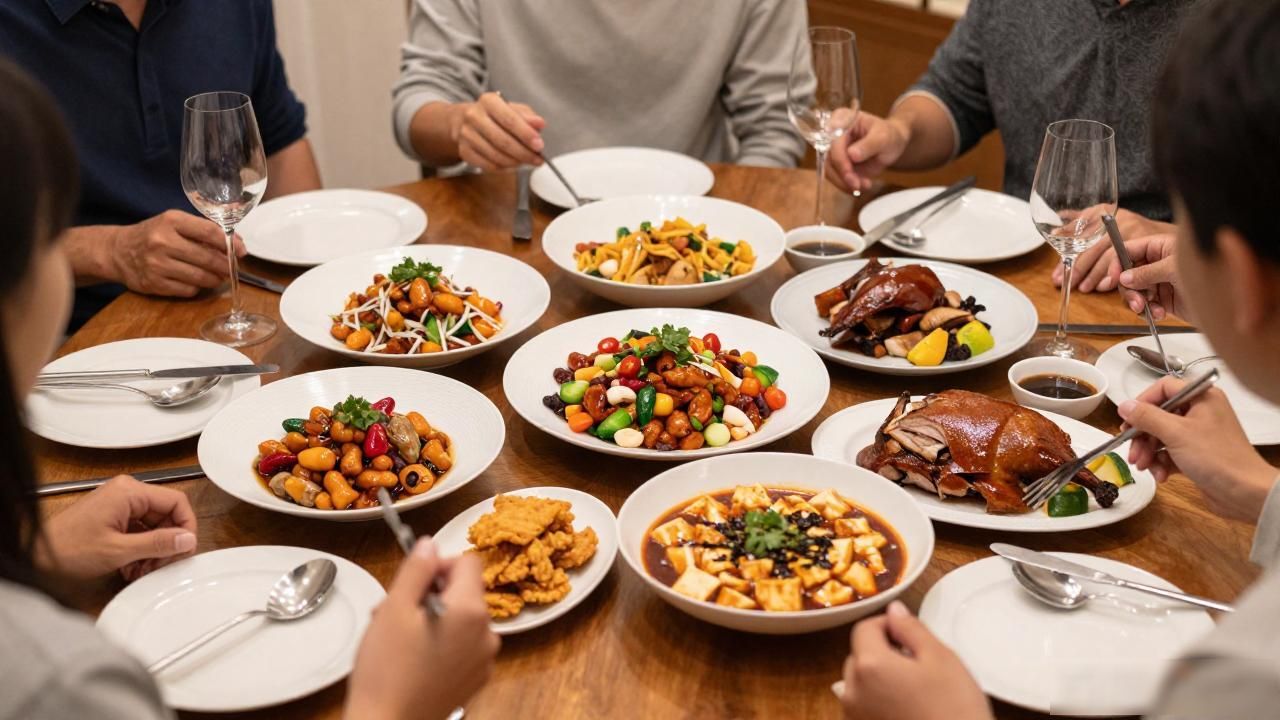
When I first arrived in China fifteen years ago, I thought I understood Chinese food from the takeout menus back home. What I discovered instead was a living, breathing civilization expressed through steam, fire, and shared plates. Food here is never just fuel. It is history, philosophy, family, and identity all wrapped into one conversation on a round table.
Why is Chinese food so popular around the world
The answer lies in something deeper than flavor alone. Chinese cuisine adapted to every corner of the globe because it carries flexibility built into its DNA. Stir-frying conserves fuel. Fermenting preserves without electricity. Rice, noodles,and dumplings travel well and feed crowds affordably.
But adaptability is not the whole story. The global appeal also comes from the way Chinese food refuses to be static. It absorbs local ingredients, honors seasonal rhythms, and treats the kitchen as a place of experimentation rather than rigid recipe following. That openness invites foreign palates to find familiar comfort while discovering something entirely new.

Restaurants abroad often simplify dishes for local tastes, yet even the most localized versions carry echoes of Chinese culinary logic. Balance between texture and temperature, contrast between soft and crisp, the emphasis on communal sharing rather than individual plated servings, these principles travel differently but remain recognizably Chinese.
How does food reflect Chinese culture
At my grandmother’s table in Yunnan, a single meal felt like a miniature philosophy lesson. The round table itself represents unity and harmony, concepts central to Confucian thought. Nobody eats until everyone is served. No one leaves until the elders have taken their first bite. These small rituals reinforce hierarchy, respect, and the belief that eating together binds people into a single body.
Food also mirrors China’s relationship with nature and medicine. Ingredients are not chosen solely for taste but for their warming or cooling properties. A cold evening calls for a hot pot loaded with ginger and chili. A summer afternoon might bring chilled cucumber with garlic and vinegar to balance the heat. This holistic view of food as medicine dates back thousands of years and remains practical in everyday life.
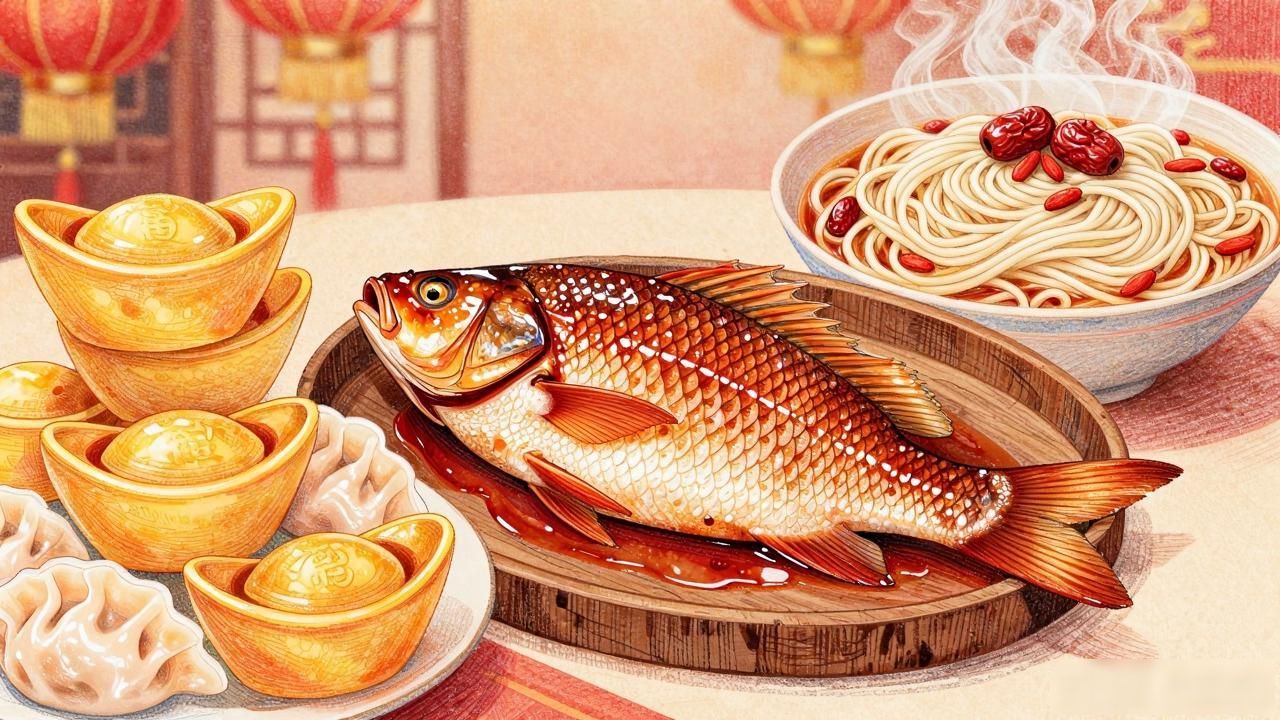
Symbolism runs through every festival meal. Dumplings shaped like ancient gold ingots represent wealth. Whole fish is served because the word for fish sounds like abundance in Chinese. Noodles at a birthday celebration are never cut, symbolizing a long uninterrupted life. These traditions turn ordinary meals into meaningful acts that connect the present to ancestral memory.
What are the regional differences in Chinese cuisine
Standing in a Guangzhou morning market, I watched vendors prepare dim sum with delicate precision. Twenty minutes later, I was in Sichuan eating beef drenched in numb Chili oil that made my lips tingle for an hour. The distance between these two meals spans geography, climate, and centuries of separate culinary evolution.
Northern China favors wheat over rice. Hand-pulled noodles, steamed buns, and potstickers dominate the diet, shaped by colder weather that makes growing wheat more practical than rice. The north also embraces bold, savory flavors with generous use of garlic and vinegar, reflecting historical trade routes and pastoral influences.
Southern regions paint a completely different picture. Cantonese cooking prizes freshness and subtle seasoning, allowing high-quality ingredients to speak for themselves. Seafood appears daily, and techniques like steaming and quick stir-frying preserve natural textures. In the humid southwest, Sichuan and Hunan cuisines thrive on bold heat and the characteristic mala numbing sensation that defines the region’s identity.
Central and eastern provinces each carry their own signatures. Shanghai cuisine leans sweet and braised, shaped by the city’s prosperity and French colonial influence. Fujian cooking introduces seafood soups and fermented flavors that echo the coastal lifestyle. These regional variations prove that calling something simply Chinese food obscures a reality far too rich to collapse into one category.
Eating through China means understanding that every region carries its own history, climate story, and cultural values on a plate. The food you encounter becomes a window into how people live, what they value, and how they maintain identity while constantly adapting. That is why Chinese cuisine resonates across borders. It speaks the language of place and people in flavors that demand attention and reward patience.