
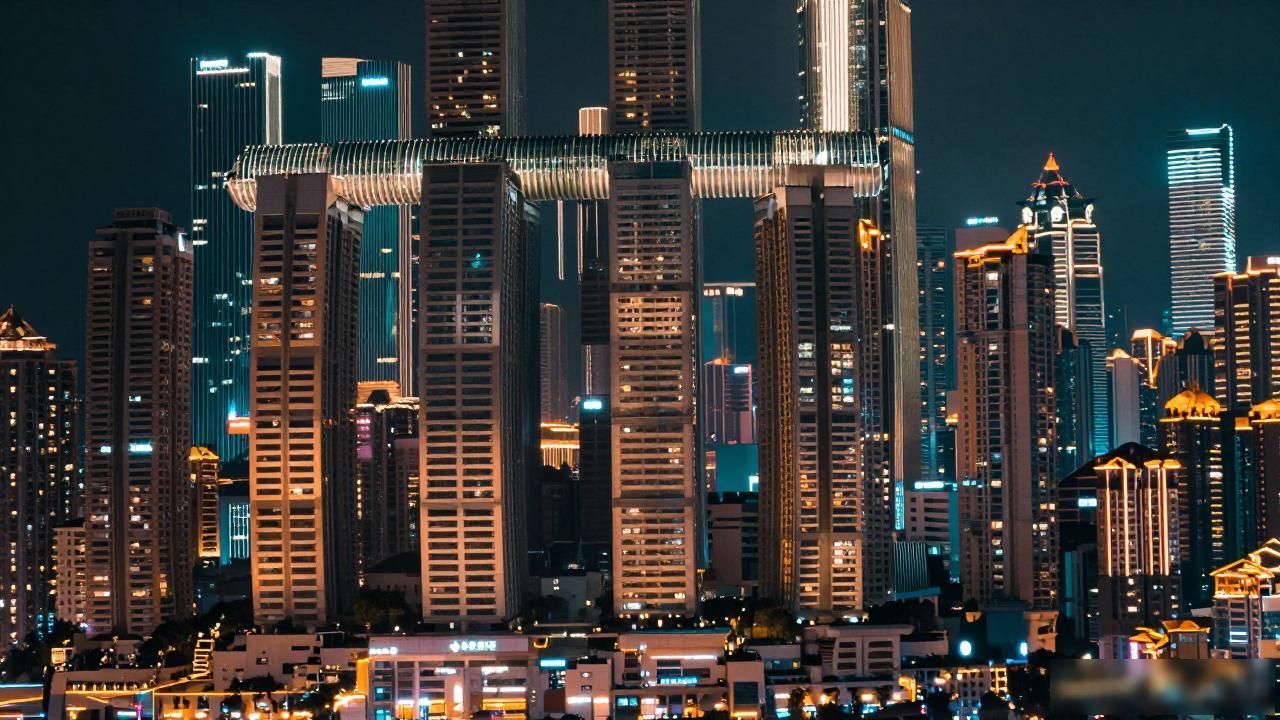
Chongqing might not be Tokyo or London, but step onto its steep hills at night and you’ll swear you’ve landed on a sci-fi set. This mountain city in southwest China packs more glowing staircases, stacked highways, and fog-draped skyscrapers than any single street photographer could reasonably capture in one trip. For those chasing that signature neon-soaked, rain-slicked cyberpunk mood,Chongqing isn’t just a destination — it’s a living, breathing camera test chart disguised as a metropolis.
Where to Shoot Cyberpunk Photos in Chongqing

The Raffles City complex near Chaotianmen is essentially a monument to vertical density. Those iconic horizontal skybridges connecting towering residential blocks create a striking silhouette against the Chongqing sky, especially when lit by the warm amber and cool cyan architectural lighting underneath. Standing on the riverside promenade gives you a clean, wide-angle perspective, but the real magic happens when you climb up to the nearby Qiansimen Bridge pedestrian walkway — the steel trusses frame Raffles City perfectly, and the layering of bridge, river, and megastructure ahead is pure cinematic composition.
Don’t overlook the old side of the city. The Liberation Monument (Jiefangbei) district, particularly the narrow alleys branching off the main commercial axis, offers intimate cyberpunk moments. Narrow walkways lined with red Chinese lanterns, steam rising from hotpot restaurants below, and LED signs reflecting off wet pavement after a summer rain — these details make the difference between a generic cityscape and a photograph with narrative weight. The E’gongjian pedestrian overpass is another hidden gem, where the intersecting staircases and underpasses create tunnel-like perspectives that look like something from Blade Runner 2049.
For the iconic Yangtze River skyline shots, the Nan’an district riverside parks along Guanyinbi provide the classic vantage point, but arriving 90 minutes before sunset lets you capture the transition from golden hour through blue hour into full neon ignition. Hongya Cave, the stilt-house complex built into the cliffside, is perhaps the most photographed spot in Chongqing for good reason — its thousands of warm-lit windows stacked vertically against the modern CBD towers behind it form a visual contrast that defines the city’s dual identity.
How to Capture Chongqing’s Cyberpunk Atmosphere
The technical challenge with cyberpunk cityscape photography in Chongqing is managing extreme dynamic range. The neon signs burn bright while the shadows between buildings fall into near-total blackness, and that thick river fog can either enhance atmosphere or ruin sharpness depending on your approach. I shoot in manual mode almost exclusively, setting my exposure for the mid-tones and using bracketed shots for HDR blending in post. A sturdy tripod is non-negotiable — most of your best shots will live in the two-to-four-second exposure range during blue hour.
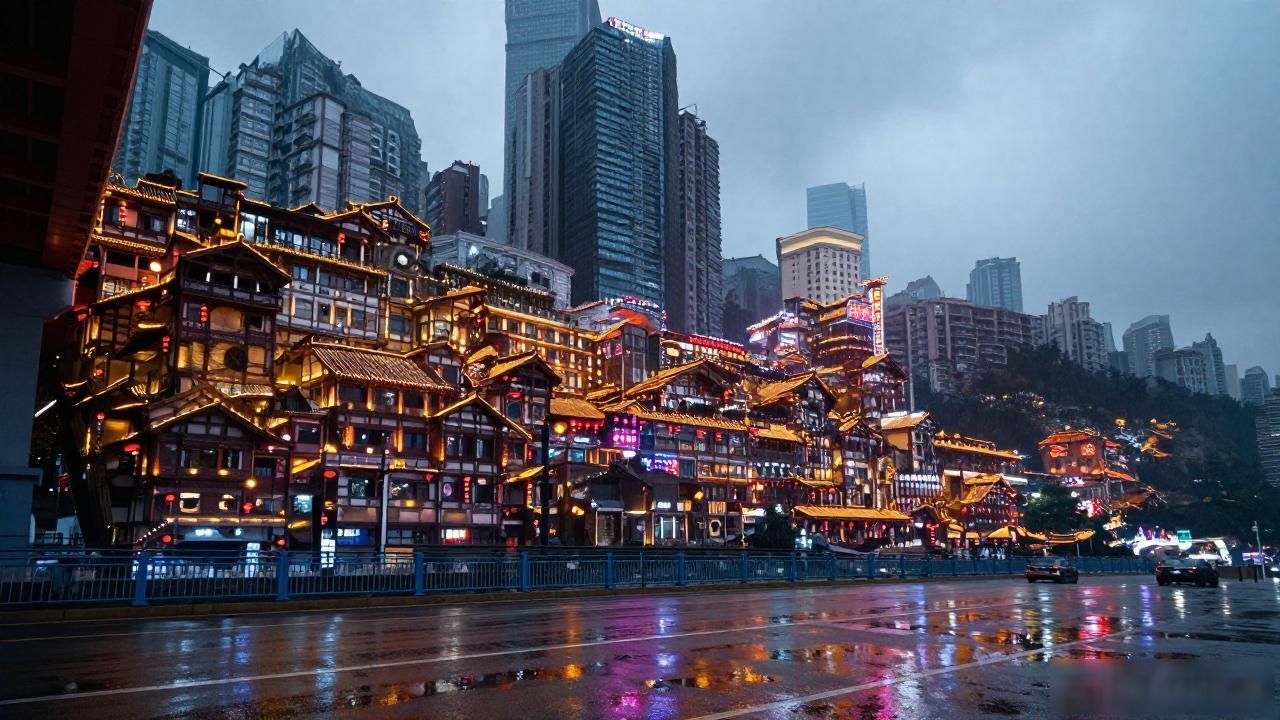
The weather here works in your favor if you know how to use it. Summer storms roll in fast and leave everything glistening, creating natural reflectors on sidewalks and roads. Overcast days might seem boring, but that soft, diffused light lets the neon signage pop without harsh competing highlights. I’ve found that shooting during the brief window right after rainfall, when the air is still thick with moisture but the rain has stopped, produces the most ethereal, layered images. Bring lens cloths and keep your front element dry — humidity will eat your contrast if you let it.
Post-processing is where the cyberpunk palette truly comes alive. I push the blues and teals in the shadow regions while keeping the reds and oranges locked to the neon sources, subtly separating warm and cool tones for that signature contrast. A moderate V-shaped curve with a slight lift in the blacks adds depth without crushing detail, and a touch of clarity on the mid-tones helps the fog and smoke textures stand out. The goal isn’t to make Chongqing look fake — it’s to amplify the atmosphere that’s already there and guide the viewer’s eye through the layers of a city built vertically into the clouds.