
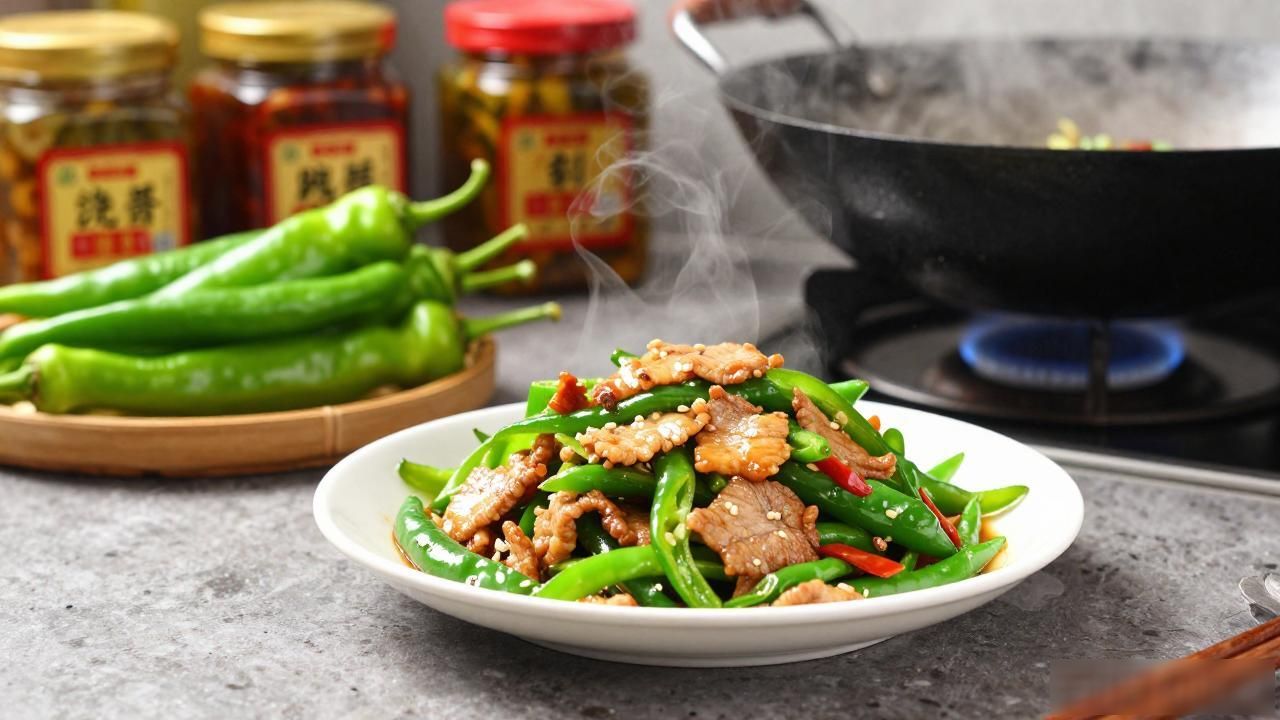
If you have heard about China‘s spicy food, you probably imagine mouth-numbing heat, massive bowls of chili oil, and the bold Szechuan flavor that dominates food blogs. The truth is much more interesting. China’s spicy food is not one thing. It is a collection of regional styles, each with its own character, history, and personality. For a foreign visitor or newcomer, understanding the map of heat is the first step to enjoying it without regret.
What Are the Different Spicy Styles in China
Sichuan is the most famous name, and for good reason. The region built its reputation on má là, a combination of heat and the tingling numbness of Szechuan peppercorns. Dishes like mapo tofu and kung pao chicken carry that signature fingerprint. The heat in Sichuan food is layered. It arrives slowly, spreads across the tongue,and lingers in a way that feels almost medicinal. Many diners call it addictive.

Hunan food tells a different story. Here the spice is sharper, fresher, and often more aggressive. Hunan cooks rely on fresh chilies and pickled peppers instead of dried chili oil. The result is bright, punchy, and fast. A simple stir-fried pork with green chili can make your eyes water in the first few bites, then the flavor opens up into something savory and deeply satisfying.
Sichuan gives you the long, slow burn, while Hunan delivers a quick sharp strike. Chongqing stands nearby but keeps its own identity. Its hot pot culture is legendary, and the broth can range from gently spiced to aggressively fiery. Outside the southwest, other regions also serve heat in their own ways. Yunnan uses fermented chilies and herb-infused broths. Shaanxi leans on vinegar and garlic alongside a dry chili heat. Even some parts of Jiangsu and Zhejiang offer milder dishes with a hidden kick. The point is simple: you should never assume all Chinese spicy food tastes the same.
How to Order Spicy Food Like a Local
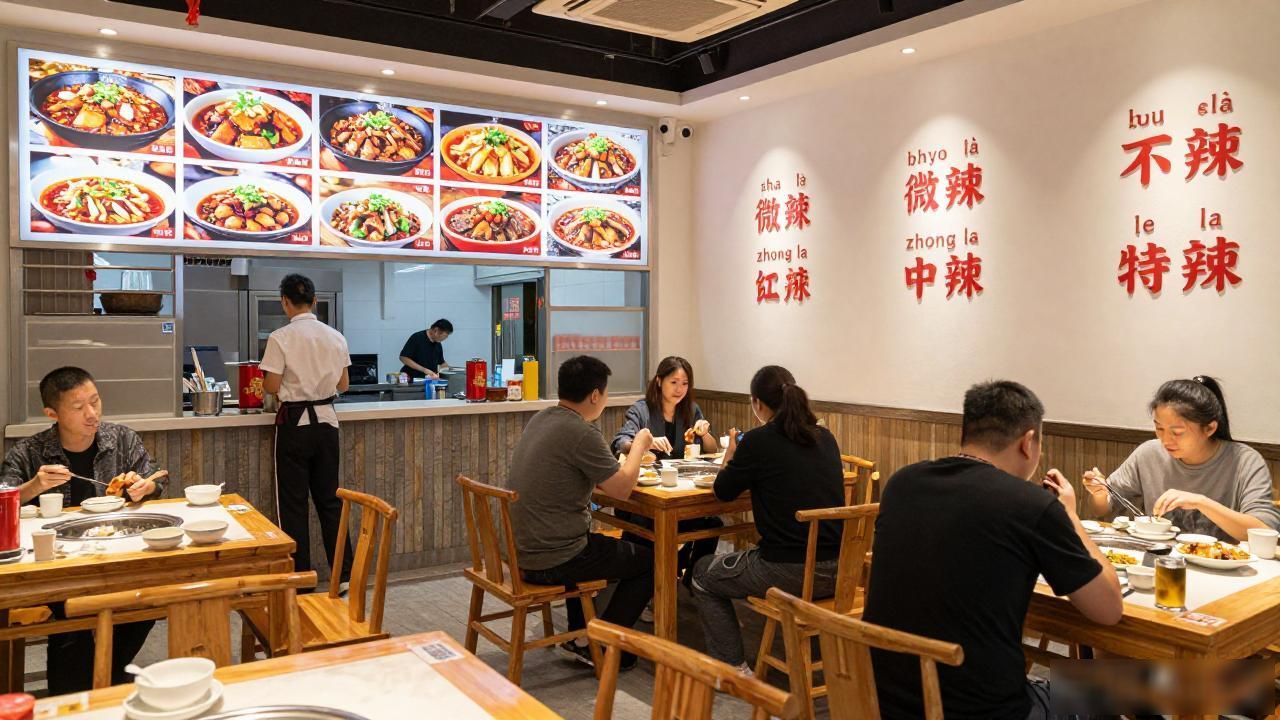
Walking into a restaurant with a menu full of red photos can feel overwhelming. The safest approach is to learn a few basic phrases. If you want mild, say “bu yao là” or “shao la.” If you can handle moderate heat, ask for “zhong la.” When you are ready to prove yourself, request “te la,” which means extra spicy. Some places will still prepare the dish with a fraction of the requested heat, so treat those words as starting points rather than guarantees.
You should also pay attention to dish names. Dishes labeled with words like “la” or “mala” are likely intense. A safe way to explore is to start with familiar preparations such as dan dan noodles or a mild Sichuan soup. Then move toward stronger options once you know how your stomach responds. Street food stalls and local eateries are often more authentic than tourist-oriented restaurants. The vendors usually cook in large batches, and the chili oil is fresh. Trying the smallest portion first is a smart strategy that saves you from regret.
What Makes Chinese Spicy Food Worth Trying
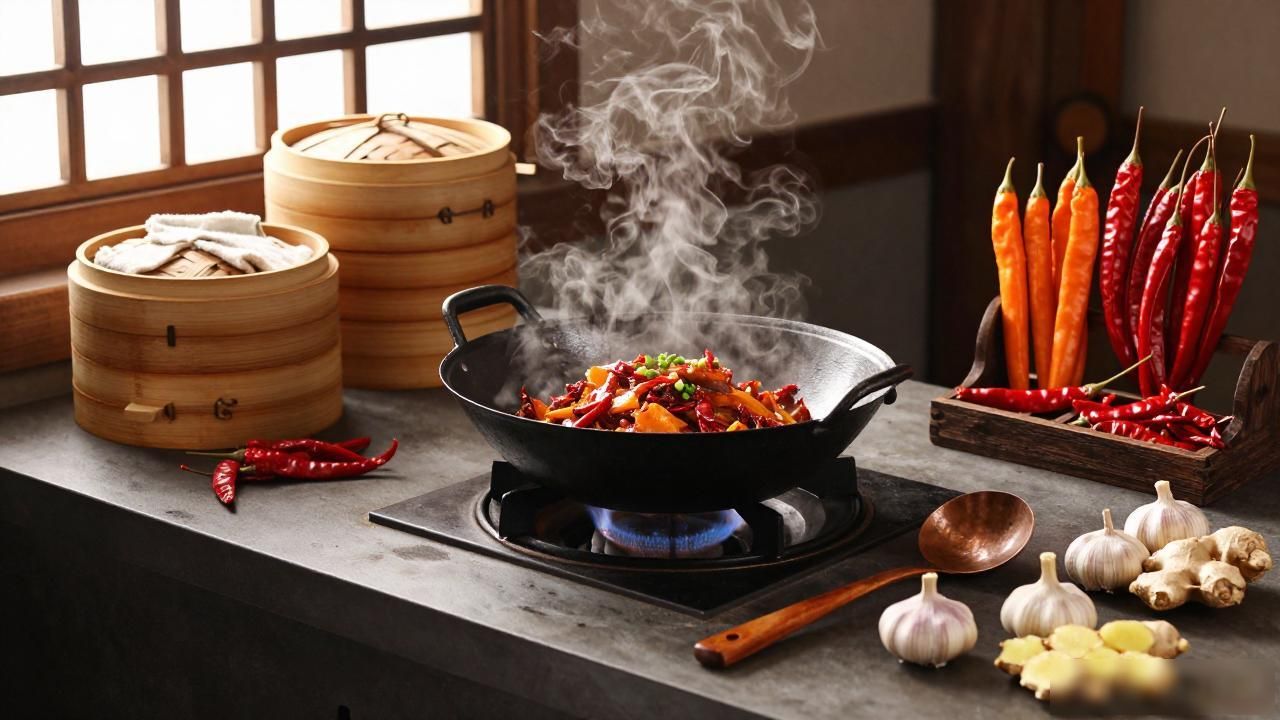
Chinese spicy food is not just about pain. It is about balance, technique, and centuries of adaptation. In humid regions like Sichuan and Hunan, spicy food was historically used to drive out dampness from the body. Today, that tradition lives on as flavor. The heat is paired with garlic, ginger, fermented bean paste, peanuts, and aromatic herbs to create complex layers. You are tasting geography, climate, and culture on one plate.
For foreigners, the journey with Chinese spicy food is personal. Some people find relief in dairy or sweet drinks after a hot bite. Others learn to respect the warmth and slow down their eating pace. The reward is real. You discover dishes that feel bold yet comforting, strange yet familiar, intense yet deeply human. China’s spicy food is an invitation to expand your palate, and the best part is that the country offers hundreds of entry points. You do not need to choose just one style. You can sample them all.