
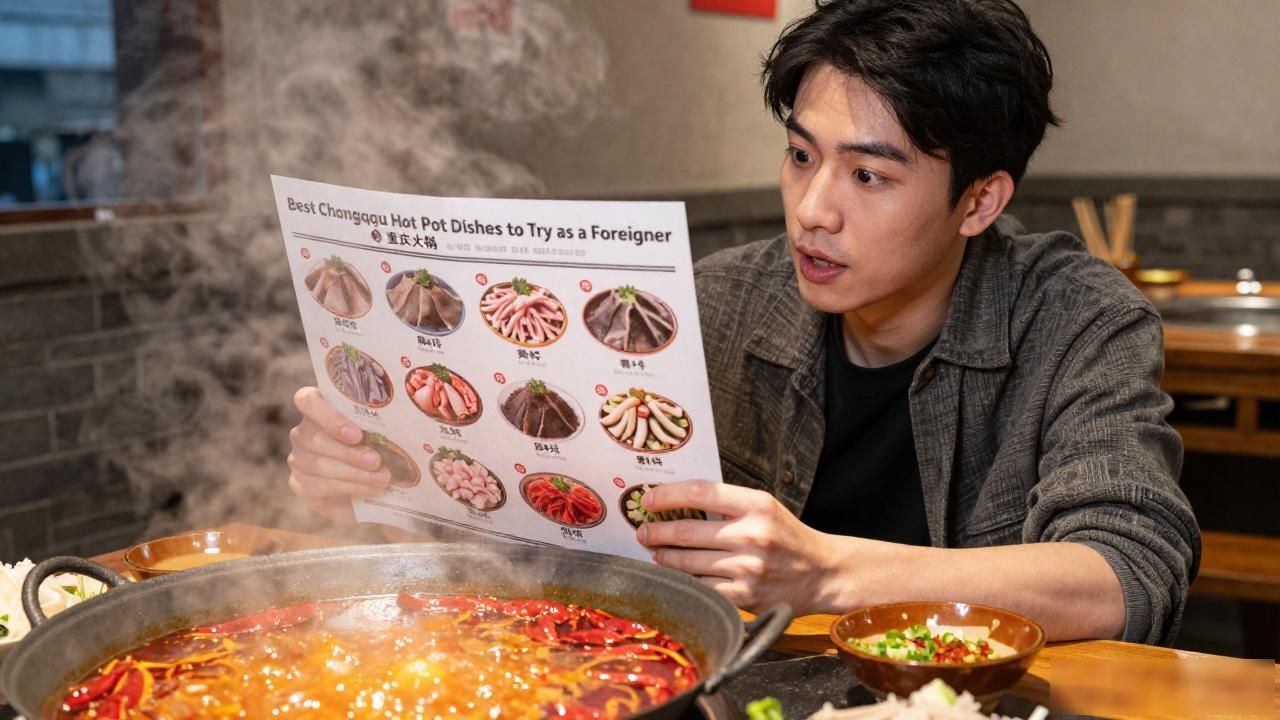
Chongqing hot pot is more than just a meal — it is an experience that pulls you into the steam, the spice, and the noise of a place where food is meant to be shared loudly. For foreigners visiting the city for the first time, sitting down to a bubbling pot of oil and chili can feel intimidating. The broth looks aggressive, the menu is confusing, and everything tastes louder than anything back home. But once you understand what to order, Chongqing hot pot becomes one of the most rewarding meals of your life. This guide cuts through the confusion and points you toward the dishes that actually matter.
What are the best dishes to order at Chongqing hot pot

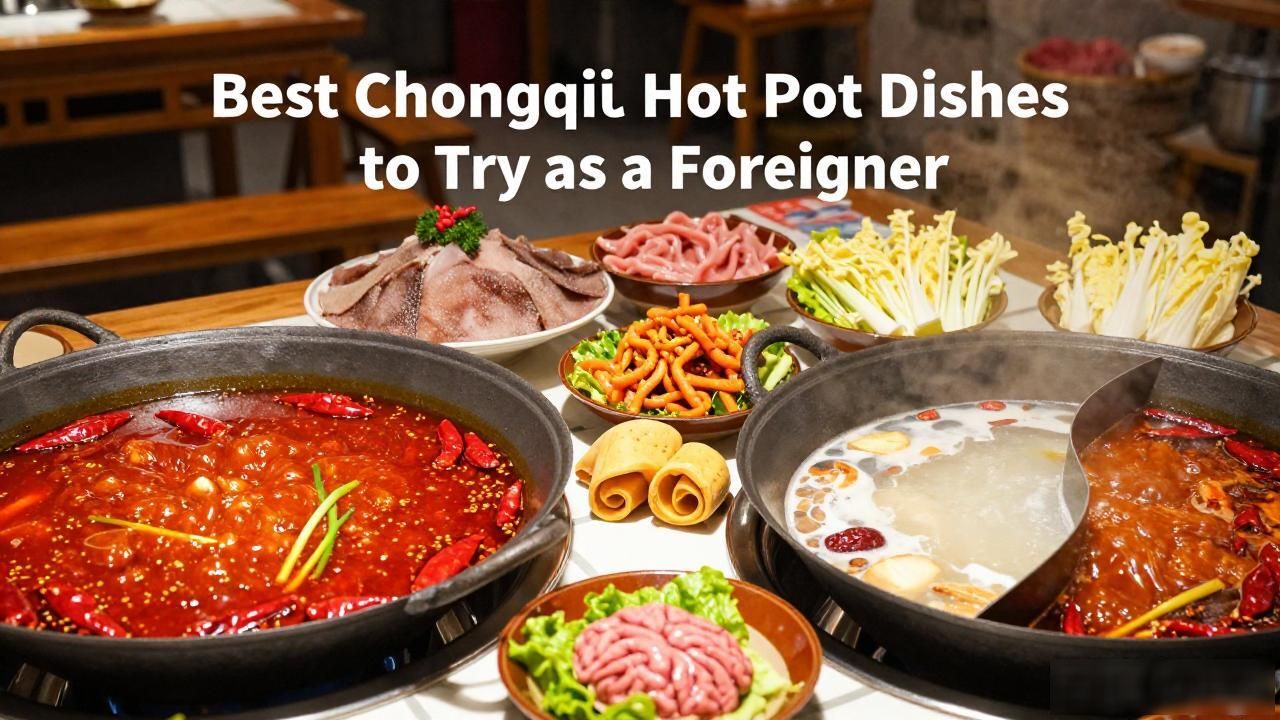
If you walk into any hot pot restaurant in Chongqing as a foreigner, the menu alone could overwhelm you. Dozens of options flash before your eyes in Chinese characters, many of them cut into thin, unfamiliar slices. The trick is to focus on the classics that the locals actually order every single time. Tripe, specifically the honeycomb variety, is the undisputed king of Chongqing hot pot. You dip it for just a few seconds — not longer — and pull it out crisp. It needs barely any cooking time, and overcooking it ruins everything. Duck intestines follow closely behind. They have a texture that almost nobody expects but everyone loves once they try them.
Fish balls and beef balls are another safe starting point for foreigners. They absorb the flavor of the broth without changing too much on their own. You should also try the spicy pork slices, which carry a faint sweetness before the heat kicks in. Vegetables come last in the pot,usually added after the meat has already seasoned the broth. Napa cabbage, lotus root, and potatoes all work well. Some people prefer to skip the vegetables entirely at first and come back for them later. There is no right answer here, only what feels comfortable for you.
Why are Chongqing hot pot favorites so different from Sichuan style
Chongqing hot pot and Sichuan hot pot share a family tree, but they grew up in completely different environments. The key difference is that Chongqing hot pot uses much heavier amounts of beef tallow, giving the broth a thicker, richer mouthfeel that clings to every ingredient. Sichuan style leans more toward植物油 and lighter spice profiles, while Chongqing style embraces the kind of heavy fat that makes you sweat through your shirt within twenty minutes. This is not a mistake. It is the entire point.
Locals in Chongqing will tell you that the city’s hot pot came from dock workers who needed cheap, filling food loaded with enough spice to keep them warm along the Yangtze River. The broth was supposed to be aggressive. It was never meant to be subtle. When foreigners ask why the food tastes so different from what they may have tried in Chengdu, the answer lies in geography, history, and a deep local pride in keeping things tough.
If you go to Chongqing and sit down at a hot pot table, order the tripe first. Order the duck intestines second. Let the broth do its job and stop worrying about whether you are doing everything perfectly. The best hot pot moments are the ones you do not plan ahead of time. You will leave full, probably a little breathless, and already thinking about when you can come back.