
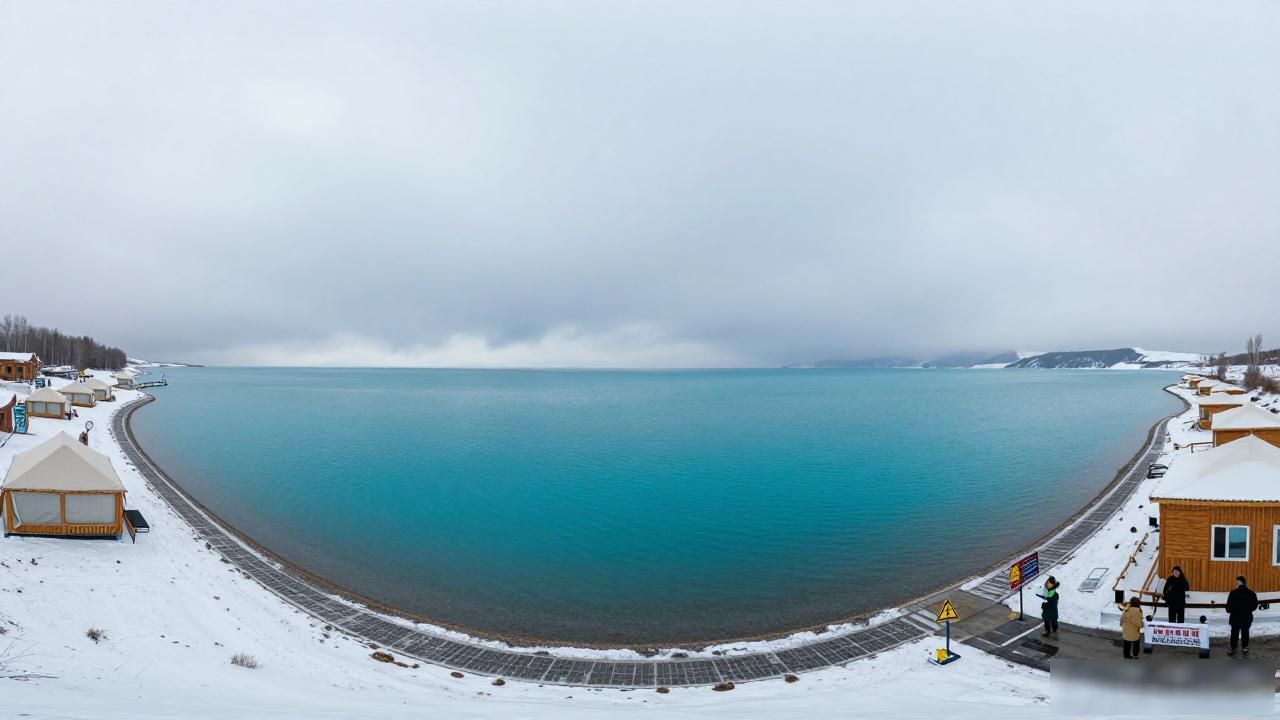
Standing at the edge of one of the most stunning alpine lakes in Central Asia, I have witnessed firsthand why this place captivates travelers from across the globe. Xinjiang turquoise lake refers primarily to Sayram Lake, a breathtaking body of water nestled high in the Tianshan Mountains. Its vivid blue-green waters, surrounded by snow-capped peaks and rolling pastures, create a scene that looks almost unreal. For anyone planning a trip to this remote corner of China, understanding what lies ahead will make the journey infinitely more rewarding.
Why is Sayram Lake Called the Tear of the Atlantic
The nickname originates from the lake’s location in a mountain basin far from any ocean, yet moist air masses travel thousands of kilometers from the Atlantic to reach this region. These weather systems deposit their moisture over the mountains, feeding the lake and surrounding valleys with rainfall and snowmelt. The result is an oasis of extraordinary beauty in an otherwise arid landscape. Standing here, you can genuinely feel the connection between distant weather patterns and the shimmering waters below.
The water color shifts dramatically depending on the time of day and season. In early morning, the lake glows with an intense sapphire hue that seems to come from within. By afternoon, as clouds drift across the sky, the surface takes on softer turquoise and emerald tones. Local Kazakh herders have raised livestock around these shores for centuries, and their ancient traditions still shape how visitors experience the area today.
How to Reach and Explore the Turquoise Waters
Getting to Sayram Lake requires patience and preparation. The most common route involves flying into Urumqi before transferring to a road journey southwest toward the mountain passes. The drive itself becomes part of the adventure, winding through dramatic gorges, alpine meadows, and isolated desert stretches where cell service disappears entirely. Most travelers spend one or two nights near the lake, allowing time to adjust to the high altitude.

Campgrounds and small guesthouses dot the shoreline, offering basic but comfortable accommodations for those willing to escape modern conveniences. Hiring a local guide proves worthwhile, especially during winter months when weather conditions shift rapidly and road closures occur without warning. Many visitors choose to hike along the western ridge for panoramic views that justify every step of the climb.
The lake sits at approximately 2,073 meters above sea level, making most trips accessible to people without advanced mountaineering experience. Photography enthusiasts find endless opportunities here,from wide-angle sunrise shots to intimate close-ups of wildflowers blooming along the pebble beaches. Wildlife sightings occasionally include argali sheep and golden eagles circling overhead.
What Makes This Destination Worth the Journey
Travelers who endure the long roads and variable conditions often describe the experience as transformative. There exists something profoundly humbling about standing beside water this vividly colored in such an isolated setting. The silence here carries weight, broken only by wind moving across open grasslands and the occasional cry of birds overhead.
This remains one of the last truly wild places in China where nature dominates rather than yields to human development. The nearby areas lack large tourist facilities, which preserves an authenticity that increasingly rare destinations simply cannot offer. Those seeking comfort chains and crowded attractions should look elsewhere, but visitors drawn to raw natural beauty will find themselves returning again and again to this remarkable corner of Xinjiang.